
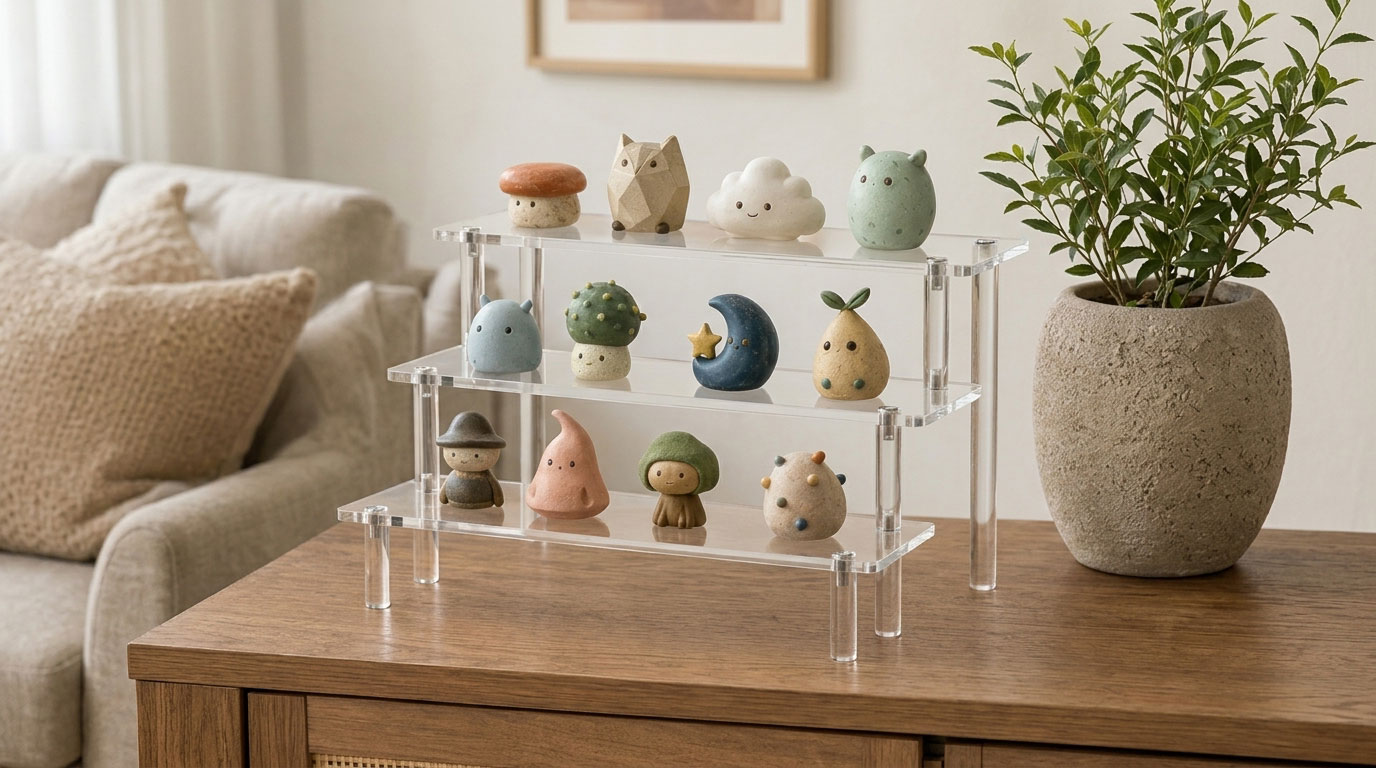
A great store showcase display does not just present products—it sells them. The right retail display risers add layered depth, guide customer eyes, and turn casual browsing into intentional purchases.
Many retail owners struggle to choose between classic wooden and modern acrylic display risers, as both deliver unique visual and functional benefits.
This guide breaks down every key factor to help you match riser material to your brand style, product type, and daily store operation needs.
What You’ll Learn in This Guide:
● Clear side-by-side comparison of wooden and acrylic display risers for retail use
● Ideal store and product match scenarios for each material
● Practical buying factors for long-term store showcase display optimization
● Real answers to the most frequent buyer questions
● Actionable final tips to upgrade your in-store display effect
1. Core Overview: Wooden & Acrylic Display Risers
What Are Wooden Display Risers?
Wooden display risers are solid, sturdy display structures made from natural or engineered wood materials. They come in various finishes, including raw wood, matte varnish, and painted styles. Unlike synthetic alternatives, wood carries natural texture and warm tones that cannot be replicated by plastic-based materials.
These risers focus on texture and brand atmosphere building. They feel premium, grounded, and handmade, making them perfect for stores chasing a cozy, vintage, or high-end natural vibe. Most wooden risers feature stable structures and strong load-bearing capacity for heavy merchandise.
What Are Acrylic Display Risers?
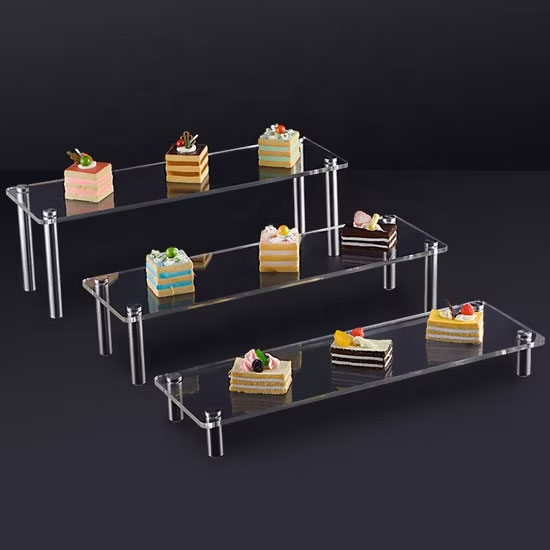
Acrylic display risers are transparent or semi-transparent display tools crafted from high-quality acrylic panels. They are lightweight, smooth, and optically clear, with a modern minimalist look. This material is widely used in commercial retail for its flexible shaping and affordable bulk pricing.
The biggest highlight of acrylic risers is their invisible display effect. They do not compete with products for visual attention. Instead, they lift goods neatly while keeping the store showcase display clean, bright, and uncluttered. They are also easy to reshape into different sizes and layered structures.
2. In-Depth Comparison: Wooden vs Acrylic Display Risers
To help you make a data-driven choice, here is a comprehensive comparison covering all practical retail dimensions. Every factor directly impacts your daily store operation and customer shopping experience.
|
Comparison Dimension
|
Wooden Display Risers
|
Acrylic Display Risers
|
|---|---|---|
|
Aesthetic Style
|
Warm, textured, vintage, rustic, high-end natural tone
|
Clean, modern, minimalist, bright, invisible display
|
|
Durability
|
Stable structure, easy to clean of water stains and scratch marks
|
Strong wear resistance, possible yellowing with low-quality material
|
|
Light Transmission
|
No light transmission, focuses on texture layering
|
High light transmission, boosts product spotlight effect
|
|
Weight & Mobility
|
Heavy, stable, not easy to move frequently
|
Lightweight, easy to adjust and reorganize displays
|
|
Maintenance
|
Need regular waxing and moisture-proof care
|
Wipe clean directly, low daily maintenance cost
|
|
Bulk Cost
|
Higher unit price, stable long-term use
|
Cost-effective, friendly for large-batch procurement
|
Aesthetic & Store Style Compatibility
Store style determines which retail display risers fit your brand best. Wooden risers add tactile warmth and a sense of craftsmanship. They make the whole store feel softer and more welcoming, which works wonderfully for lifestyle-focused retail spaces.
Acrylic risers deliver a sleek, futuristic, and orderly look. They let products become the absolute visual center. For modern, trendy, or tech-themed stores, acrylic creates a professional and high-end retail atmosphere without visual clutter.
Durability & Daily Wear Resistance
In high-traffic retail environments, durability is a core consideration. Solid wooden risers rarely deform or break. Their downside is sensitivity to water and humidity. Spilled water or long-term damp air can cause warping, mold, or faded surfaces.
Premium acrylic material resists scratches, friction, and daily impact well. It will not crack easily under normal use. The only known defect is that low-grade acrylic may turn yellow after years of light exposure, while high-quality acrylic maintains clarity for a very long time.
Product Display Effect & Light Transmission
Lighting is key to improving sales conversion. Wooden display risers block light and create shadow layers. This effect is perfect for highlighting textured products such as handmade crafts and home decor.
Clear acrylic allows full light penetration. Products placed on acrylic risers display brighter and more delicately. This is why most cosmetic, jewelry, and eyewear stores choose acrylic to enhance product gloss and details.
Budget & Cost-Effectiveness
Wooden display risers have higher manufacturing costs due to material cutting, polishing, and finishing processes. They suit retailers with fixed store layouts and long-term display plans.
Acrylic risers display stands feature simple production and flexible sizing. They are far more budget-friendly for batch purchases. For seasonal promotions, pop-up displays, and frequently updated layouts, acrylic brings better overall cost performance.
Weight & Flexibility of Use
Wooden risers are heavy and stable, which prevents tipping in crowded stores. However, their weight makes frequent layout adjustments time-consuming and labor-intensive.
Acrylic risers for display are ultra-light. Retail staff can disassemble, move, and reorganize store showcase displays in minutes. This flexibility is ideal for holiday promotions, new product launches, and temporary exhibition layouts.
Maintenance & Cleaning Requirements
Wood surfaces are prone to dust accumulation and stain penetration. Daily cleaning requires soft wiping and regular moisture-proof treatment to extend service life.
Acrylic surfaces are smooth and non-sticky. Daily dust and fingerprints can be wiped off with a soft cloth. It requires almost no professional maintenance, greatly reducing store operation workload.
3. When to Choose Wooden Display Risers
Suitable Retail Store Types
Wooden risers match stores with natural, vintage, cozy, and artistic positioning. Typical scenarios include home decor shops, gift boutiques, organic beauty stores, handmade craft shops, and farmhouse-style retail spaces.
Suitable Display Products
They work best for heavy, textured, and warm-toned products. Common choices are home accessories, wooden crafts, canvas artwork, scented candles, natural skincare sets, and rustic gift boxes.
Core Scenario Advantages
Wooden retail display risers enhance brand texture and create an immersive shopping atmosphere. They make high-value handmade and natural products look more professional and trustworthy, effectively boosting customer purchase desire.
4. When to Choose Acrylic Display Risers
Suitable Retail Store Types
Acrylic fits modern, minimalist, fashionable, and high-precision retail scenes. It is widely used in cosmetic stores, jewelry shops, watch stores, electronic accessory boutiques, fashion clothing stores, and museum retail areas.
Suitable Display Products
Lightweight, delicate, and highly reflective products perform best on acrylic. This includes jewelry, earrings, necklaces, cosmetics, perfumes, mini electronic gadgets, sunglasses, and small fashion accessories.
Core Scenario Advantages
Acrylic risers eliminate visual interference. They make small products look neater and more high-end. The transparent design maximizes light use and creates a clean, premium store showcase display that fits modern consumer aesthetics.
5. Key Buying Factors for Retailers
Before purchasing wooden vs acrylic display risers, confirm these five key factors to avoid mismatched display solutions and unnecessary replacement costs.
● Brand tone matching: Match warm wood texture or cool acrylic minimalism to your store’s interior design and brand positioning.
● Product attributes: Use wood for heavy textured goods and acrylic for delicate, light-reflective products.
● Store traffic: High-traffic stores prioritize wear-resistant and easy-clean acrylic; low-traffic boutique stores prefer textured wood.
● Display frequency: Fixed long-term displays suit wood; seasonal and promotional displays suit acrylic.
● Procurement budget: Long-term fixed investment chooses high-quality wood; large-batch flexible layout chooses acrylic.
FAQ

Which display riser is more durable for long-term commercial retail use?
Both materials offer great durability with proper quality. Wooden risers have stable structures and never deform easily, but need moisture protection. High-quality acrylic risers resist scratches and friction better in busy stores and have a longer comprehensive service life with simpler maintenance.
Are wooden or acrylic risers better for displaying high-end luxury products?
It depends on product positioning. Wooden risers deliver artistic and natural luxury for handmade and home luxury goods. Acrylic risers present modern, clean luxury for jewelry, watches, and cosmetics, highlighting product gloss and details without distraction.
Which type of display riser is easier to clean and maintain in busy retail stores?
Acrylic retail display risers are far more store-friendly. Their smooth surface repels dust and stains, allowing quick daily wiping. Wood requires regular maintenance to prevent damp deformation and surface fading, which costs more time and labor.
Can acrylic and wooden display risers be mixed and matched in one showcase?
Absolutely yes. Many high-quality retail spaces adopt mixed matching. You can use wooden risers for main large display areas to build texture, and apply small acrylic risers for layered highlighting of core products, balancing warmth and modernity in store showcase displays.
Which option is more cost-effective for bulk retail procurement?
Acrylic wins in bulk procurement cost performance. It has a lower unit price, customizable sizes, and no high post-maintenance costs. For chain stores, pop-up retail, and large-scale display updates, acrylic display risers bring higher ROI.
Do acrylic display risers turn yellow easily after long-term use?
Only low-quality recycled acrylic turns yellow quickly. Premium pure acrylic material features strong UV resistance and anti-oxidation performance. It stays transparent and clear for years even under long-term indoor light exposure, with almost no yellowing or fogging.
Final Verdict & Retail Display Tips
There is no absolute “better” choice between wooden and acrylic display risers—only the most suitable one for your store. If your brand focuses on nature, warmth, and art texture, wooden risers are your best bet. If you pursue modern simplicity, neat layout, and flexible display upgrades, acrylic risers are the priority.
For most comprehensive retail scenarios, mixed matching is the most professional solution. Fixed background displays use wood to set brand tone, while foreground key product areas use transparent acrylic to boost sales highlights. This layered collocation greatly improves the overall grade of the store showcase display.
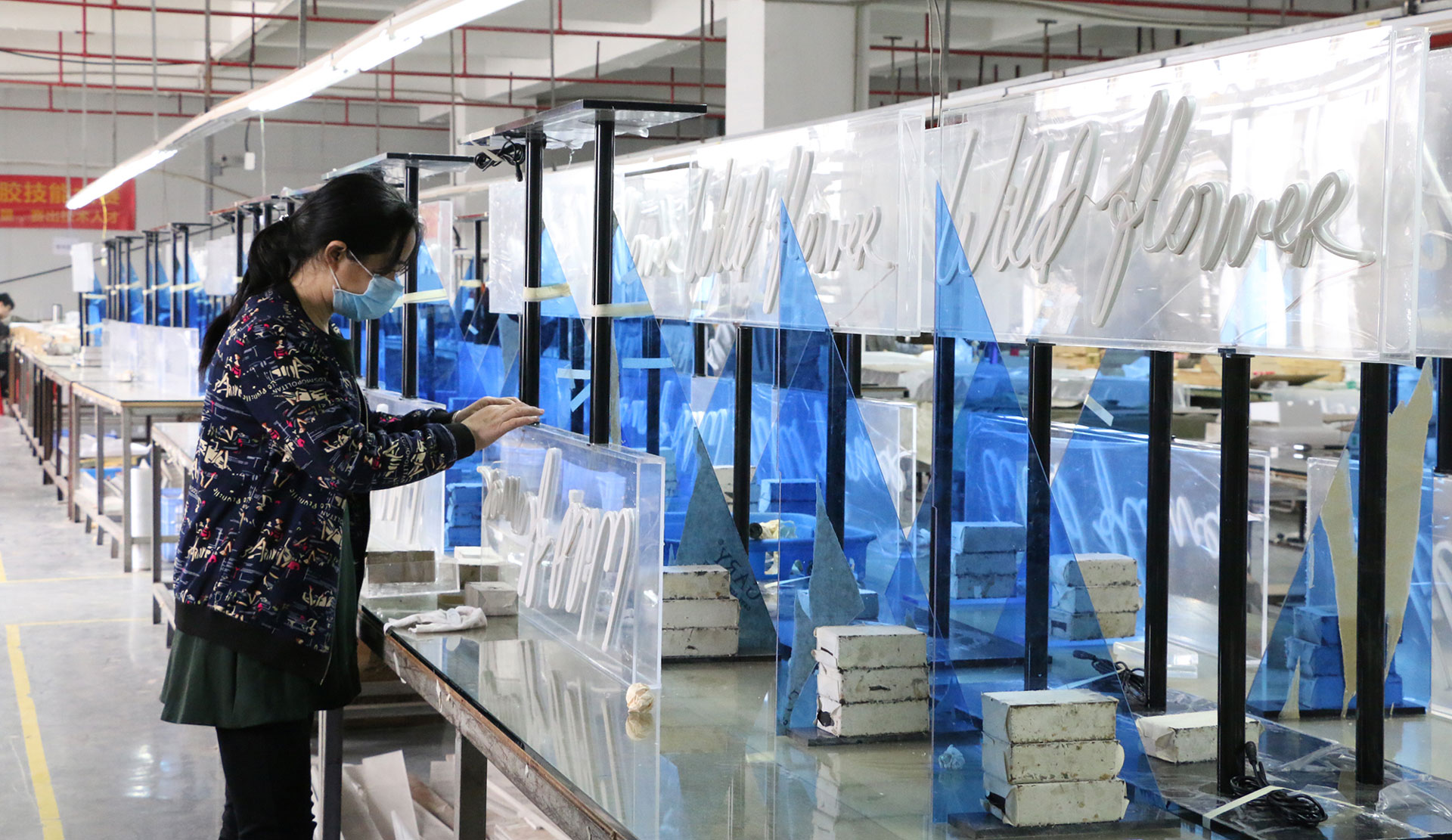
To ensure display quality and long-term stability, always choose factory-direct products with reliable material quality and fine craftsmanship.
As a professional acrylic display factory with rich retail customization experience, JAYI Acrylic provides high-clarity, anti-yellowing, durable acrylic display risers for global retail buyers.
All products support customized size, structure, and logo printing, helping brands create exclusive and attractive in-store display systems.

Cathy Qin works at Jayi Acrylic Industry Limited, focusing on custom acrylic product management and SEO-driven content marketing for B2B wholesale and retail applications. Her work includes designing display solutions, managing customization projects, and optimizing website content to promote Jayi’s high-quality acrylic products across global digital channels.
Post time: Sep-02-2026