

Choosing suitable display riser stands is a small but critical decision for retail owners, exhibition planners, and bulk buyers. The right display tools can elevate product presentation, while a poor choice leads to frequent replacements and wasted budgets.
Most buyers struggle to pick between acrylic display risers and plastic riser stands, torn between low upfront cost and long-term durability.
This guide breaks down real-world cost differences and practical durability performance, helping you pick the best option for short-term promotions and long-term store displays.
What You’ll Learn in This Article:
● Clear cost gap analysis covering upfront, customization, and long-term maintenance fees
● Real durability differences in scratch resistance, load-bearing, and weather adaptability
● Suitable scenarios for both plastic riser stands and acrylic styles
● Practical buying tips for retail merchants and wholesale procurement
● Answers to top buyer FAQs about display riser durability and cost
1. Core Material Overview: Acrylic vs. Plastic Display Risers
What Are Acrylic Display Risers?
Acrylic display risers are made from high-quality PMMA material, known for crystal-clear transparency and solid texture. Unlike ordinary plastic, acrylic boasts high surface hardness and stable physical properties. These risers are fully customizable in size, shape, and printing, making them ideal for branded commercial displays.
Most high-end retail stores, cosmetic counters, and brand exhibitions prefer acrylic styles. It delivers a premium, neat display effect that perfectly highlights high-value products. Its core advantage lies in balanced display riser durability and cost performance for long-term use.

What Are Plastic Riser Stands?
Plastic riser stands are usually crafted from PP, PET, or PVC materials with lightweight and ultra-low production costs. They feature simple molding processes and support mass rapid production, so the unit price is extremely friendly for budget buyers.
These risers are flexible and not easy to break when dropped accidentally. However, their surface hardness is low, making them prone to scratches and yellowing after long-term use. They are more suitable for temporary and low-frequency display scenarios.
Key Material Property Differences at a Glance
|
Property
|
Acrylic Display Risers
|
Plastic Riser Stands
|
|---|---|---|
|
Transparency
|
High-definition, crystal clear
|
Slightly foggy, low light transmittance
|
|
Surface Hardness
|
High, scratch-resistant
|
Low, easy to scratch
|
|
Texture
|
Solid, premium
|
Light, cheap-feeling
|
|
Customization
|
Full support for logo & size tweaks
|
Limited simple customization
|
2. Durability Comparison: Acrylic vs. Plastic Risers
Display riser durability and cost are the two core factors that determine long-term purchase value. Durability directly affects replacement frequency and hidden costs for businesses.
Wear & Tear Resistance
Acrylic riser displays have excellent wear resistance. Their polished surface resists daily friction from cleaning and product placement. Under normal indoor use, they hardly produce obvious scratches even after years of use.
Plastic riser stands are far less wear-resistant. Daily wiping and frequent product replacement will leave tiny scratches on the surface. Over several months, the surface will turn fuzzy, affecting the overall display aesthetics.
Impact & Load-Bearing Capacity
Acrylic materials are rigid and sturdy, with strong load-bearing capacity. A standard thickened acrylic riser can stably hold heavy items like cosmetics, perfumes, and small electronic products without bending or deforming.
Plastic riser stands are flexible but structurally weak. They can bear lightweight goods, but long-term placement of heavy products will cause permanent bending deformation. Accidental drops may also lead to structural cracks.
Environmental & Weather Resistance
Acrylic risers for display perform well in various environments. They resist ultraviolet rays and are not easy to yellow or fade under long-term indoor light exposure. They also adapt to humid shopping mall environments without moisture deformation.
Ordinary plastic risers have poor weather resistance. Long-term light exposure will cause obvious yellowing and aging. In high-temperature environments, plastic materials are prone to softening and deformation, shortening service life greatly.
Service Lifespan Analysis
In conventional retail indoor environments, qualified acrylic display risers can last 3–5 years with normal daily use. Even after long-term use, they can maintain a clear and tidy display state.
The service life of plastic riser stands is only 6–18 months. After that, scratches, yellowing, and deformation will make them unsuitable for formal display, requiring overall replacement.
3. Cost Comparison: Short-Term & Long-Term Expenses
Many buyers only focus on the upfront unit price while ignoring long-term comprehensive costs. A full cost comparison helps evaluate the true cost performance of acrylic display risers and plastic options.
Upfront Purchase Cost
Plastic riser stands have an absolute advantage in initial cost. Their unit wholesale price is low, with no high MOQ threshold, suitable for buyers with tight short-term budgets.
Acrylic display risers have higher upfront costs due to material and polishing processes. The unit price is 2–3 times that of plastic styles. For one-time small-batch purchases, the budget pressure is relatively higher.
Processing & Customization Cost
If you need brand logo printing, special size cutting, or layered design, acrylic risers have lower comprehensive customization costs. The material is easy to process with clear printing and no color fading.
Plastic riser stands have simple customization processes but poor presentation effect. Logo printing is easy to fall off, and secondary processing may damage the product structure, leading to repeated costs.
Maintenance & Replacement Cost
Acrylic display risers are easy to maintain. Daily cleaning only requires soft cloth wiping, with no special maintenance costs. The long service life greatly reduces replacement frequency.
Plastic risers need frequent replacement due to aging and damage. Although the single purchase cost is low, repeated procurement and labor replacement costs accumulate into high long-term expenses.
Long-Term ROI Calculation
From a one-year cycle, plastic risers seem cost-effective. But from a 3-year long-term operation perspective, acrylic display risers have higher ROI. They avoid repeated procurement and maintain consistent store display quality.
4. Pros & Cons Summary of Each Display Riser
Receiving the physical sample is the critical checkpoint before mass production of custom acrylic display stands. The standardized modification rule system ensures your feedback can be implemented efficiently without ambiguous communication.
Acrylic Display Risers: Advantages & Disadvantages
Advantages
● High transparency and premium display texture to enhance product grade
● Excellent durability, scratch-proof, anti-yellowing, and deformation-resistant
● Rich customization options for brand image building
● Low later maintenance and replacement costs
Disadvantages
● Higher upfront purchase and customization costs
● Slightly heavier than lightweight plastic styles
Plastic Riser Stands: Advantages & Disadvantages
Advantages
● Ultra-low unit price, suitable for large-batch temporary use
● Lightweight and portable, easy to carry and arrange
● Low MOQ, supporting flexible small-batch procurement
Disadvantages
● Poor durability, easy to scratch, yellow, and deform
● Ordinary display texture, unable to support high-end brand display
● Frequent replacement leads to high long-term hidden costs
5. Best Use Cases & Buying Recommendations
Scenarios to Choose Acrylic Display Risers
If you run long-term physical stores, brand counters, or participate in regular industry exhibitions, acrylic risers are the best choice. They keep high display consistency and help shape a professional brand image.
They are also perfect for displaying high-value products such as jewelry, watches, cosmetics, and handicrafts. The clear texture can maximize product attractiveness.
Scenarios to Choose Plastic Riser Stands
Plastic riser stands fit short-term and temporary scenarios perfectly, including supermarket holiday promotions, pop-up store activities, and temporary exhibition displays.
They are also ideal for low-batch, low-budget daily commodity displays. They can be replaced in batches after wear and tear without causing economic pressure.
Quick Buying Guide by Budget & Usage Term
For use within 1 year with a limited budget: choose plastic riser stands to control initial investment.
For use over 2 years with pursuit of display quality: choose acrylic display risers to reduce long-term comprehensive costs.
FAQ

Are acrylic display risers worth the higher upfront price compared to plastic ones?
Yes, for long-term commercial use. Although acrylic display risers cost more at first, their long lifespan, low replacement frequency, and premium display effect greatly reduce hidden operational costs. For temporary use within half a year, low-cost plastic risers are more cost-effective.
Which type of riser is more scratch-resistant for daily high-frequency commercial use?
Acrylic risers are far more scratch-resistant. A polished acrylic surface withstands daily cleaning and frequent product replacement. Plastic risers are prone to surface scratches and a fuzzy appearance after high-frequency use, affecting store aesthetics.
Can acrylic and plastic risers be used outdoors? What are the limitations?
Acrylic display risers support short-term outdoor use with good UV and weather resistance. Plastic risers are not suitable for outdoor scenarios. Long-term sun exposure will cause rapid yellowing, softening, and damage, greatly shortening service life.
Which display riser has lower cost for logo printing and size customization?
Acrylic risers have better customization cost performance. They support precise cutting and high-definition logo printing with firm color adhesion. Plastic risers have cheap, simple printing but poor durability, requiring repeated customization and increasing total cost.
How long do acrylic and plastic risers last in regular retail environments?
Standard acrylic display risers serve 3–5 years in indoor retail settings. Qualified plastic riser stands only maintain good status for 6–18 months. After that, aging problems will affect the display effect and require replacement.
For bulk wholesale, which riser has better overall cost performance?
It depends on your usage cycle. For long-term fixed-store bulk procurement, acrylic risers have better display riser durability and cost performance. For temporary large-scale event bulk use, plastic risers can save upfront budget efficiently.
Conclusion
After a comprehensive comparison of material characteristics, durability, cost, and practical use cases, we can clearly see the positioning differences between acrylic and plastic display risers. Plastic riser stands are budget-friendly temporary display tools, while acrylic display risers are high-quality long-term commercial display solutions.
The best choice is never absolute but matches your actual needs. Short-term activities and tight budgets suit plastic styles; long-term store operation, brand display, and high-end product sales must choose acrylic risers.
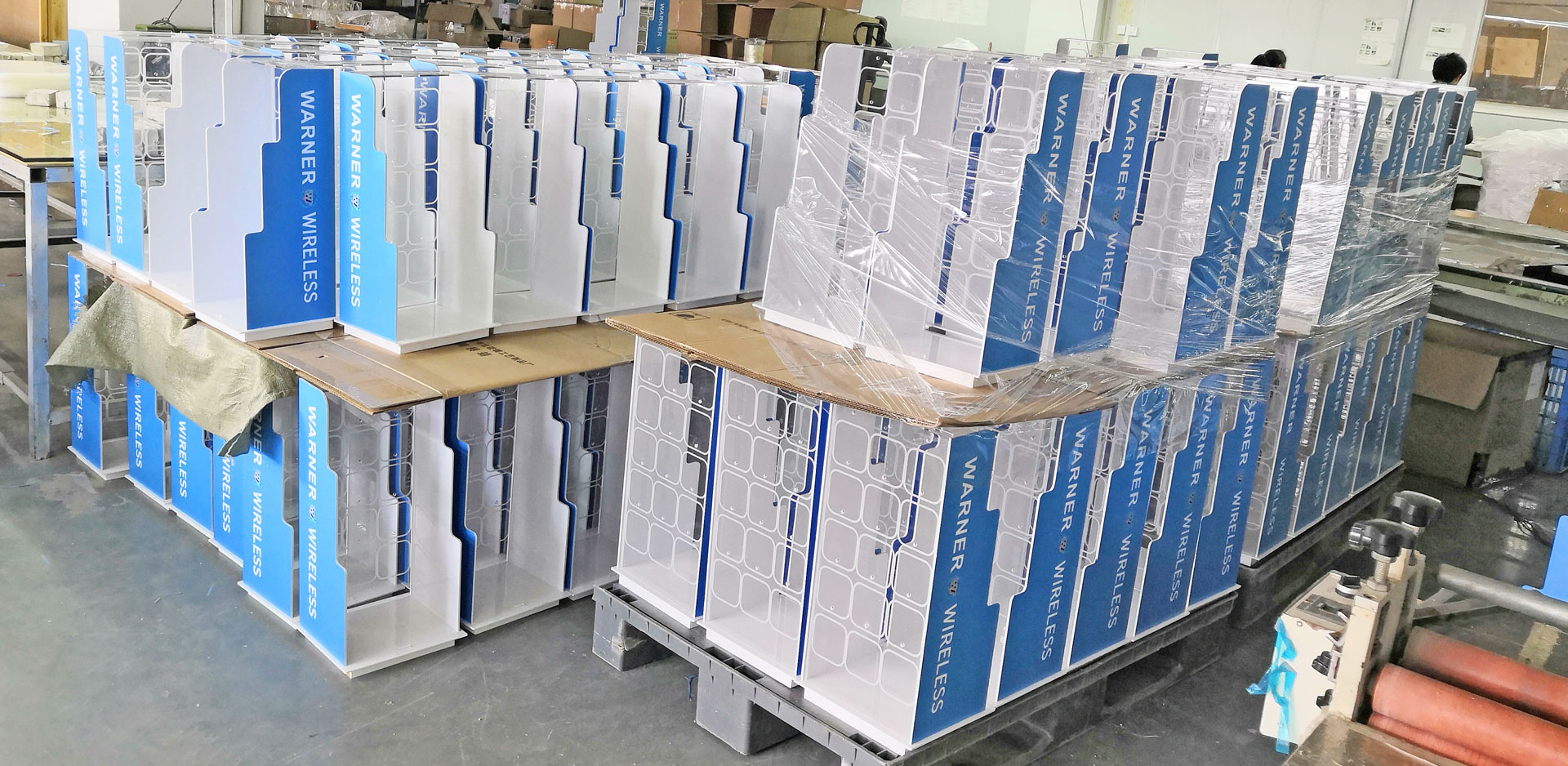
If you need customized, high-durability acrylic display risers for wholesale and commercial use, trust JAYI Acrylic.
As a professional acrylic product display factory, we provide customized sizes, logos, and structural design services.
Our products feature stable quality, strong durability, and strict quality control, helping global buyers obtain high ROI display solutions and stable long-term supply support.

Cathy Qin works at Jayi Acrylic Industry Limited, focusing on custom acrylic product management and SEO-driven content marketing for B2B wholesale and retail applications. Her work includes designing display solutions, managing customization projects, and optimizing website content to promote Jayi’s high-quality acrylic products across global digital channels.
Post time: Sep-02-2026