

Mahjong, a timeless game of strategy, luck, and social connection, has evolved dramatically over centuries—from traditional bone and bamboo tiles to the modern, versatile acrylic sets that dominate today’s market. As the game’s popularity spreads globally, from family game nights in living rooms to competitive tournaments in clubs, the demand for custom acrylic mahjong sets has skyrocketed. These personalized sets blend durability, aesthetic appeal, and unique storytelling, making them perfect for personal use, corporate gifting, or brand promotions.
But have you ever wondered how these custom creations go from a simple idea to a polished, playable set? In this comprehensive guide, we’ll take you behind the scenes of custom acrylic mahjong manufacturing, breaking down every step, material choice, and craftsmanship detail that brings your vision to life. Whether you’re a mahjong enthusiast, a business looking to create branded sets, or simply curious about the production process, this article will answer all your questions and help you understand what makes custom acrylic mahjong sets so special.
Why Acrylic? The Advantages of Acrylic for Custom Mahjong Sets
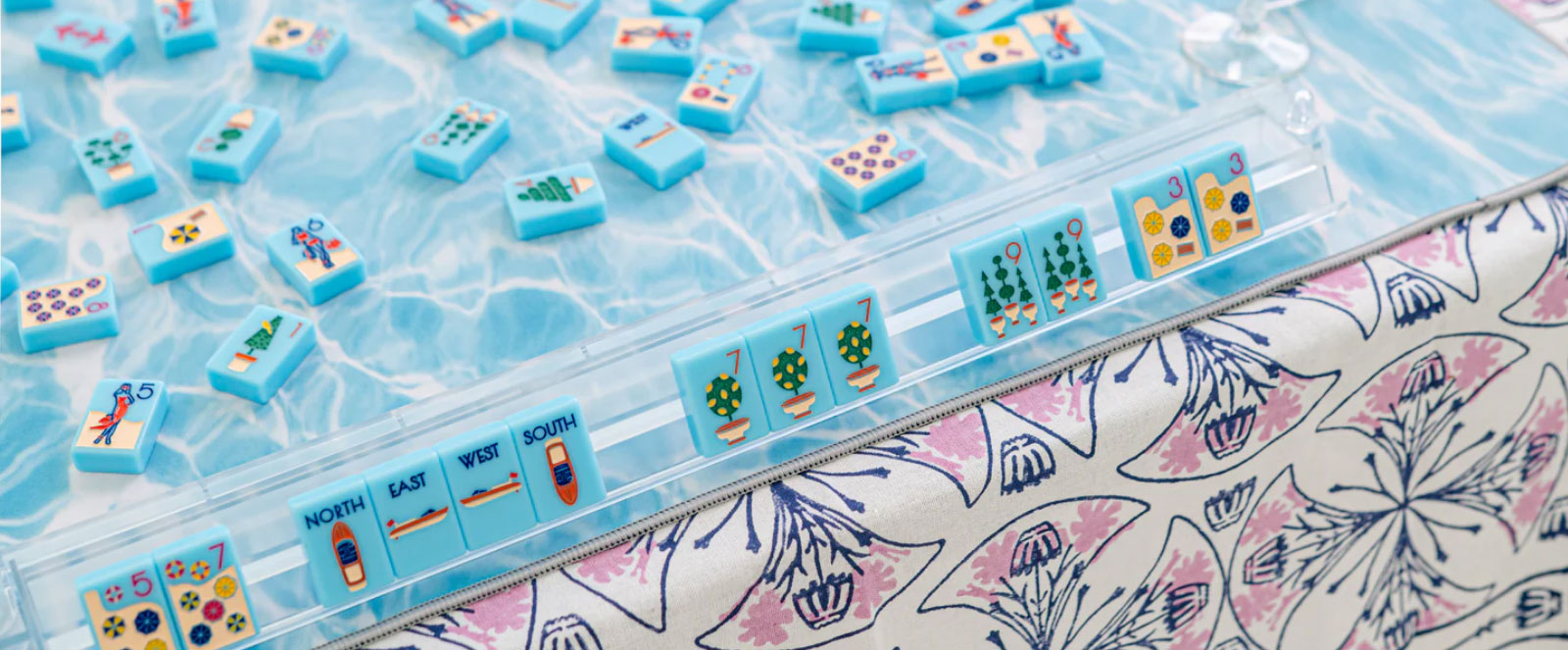
Before diving into the manufacturing process, it’s essential to understand why acrylic has become the top choice for custom mahjong sets—especially when compared to traditional materials like bone, bamboo, wood, or even melamine. Acrylic, also known as PMMA (polymethyl methacrylate), is a synthetic polymer celebrated for its unique combination of properties that make it ideal for mahjong tiles.
Unlike bone tiles, which are prone to chipping, discoloration, and moisture damage, or wood tiles that warp over time, acrylic offers unmatched durability and versatility. It’s shatter-resistant, impact-resistant, and resistant to stains and fading, ensuring your custom set will last for years, even with frequent use. Additionally, acrylic’s optical clarity and smooth surface provide a premium feel during gameplay, with tiles that glide effortlessly across the table and fit comfortably in the hand.
For custom designs, acrylic’s versatility truly shines. It can be molded into various shapes and sizes, tinted in any color (from classic white to vibrant hues like pink, purple, or black), and customized with intricate patterns, logos, or even glow-in-the-dark elements—something traditional materials struggle to achieve.
According to industry data, acrylic mahjong sets now account for over 60% of custom orders, thanks to their ability to balance aesthetics, durability, and affordability. Unlike melamine tiles, which can feel lightweight and flimsy, acrylic tiles have a substantial heft that mimics the premium feel of traditional bone tiles without the ethical concerns or high cost. This unique blend of benefits is why acrylic is the go-to material for anyone looking to create a one-of-a-kind mahjong set.
Step 1: Design Consultation & Concept Finalization
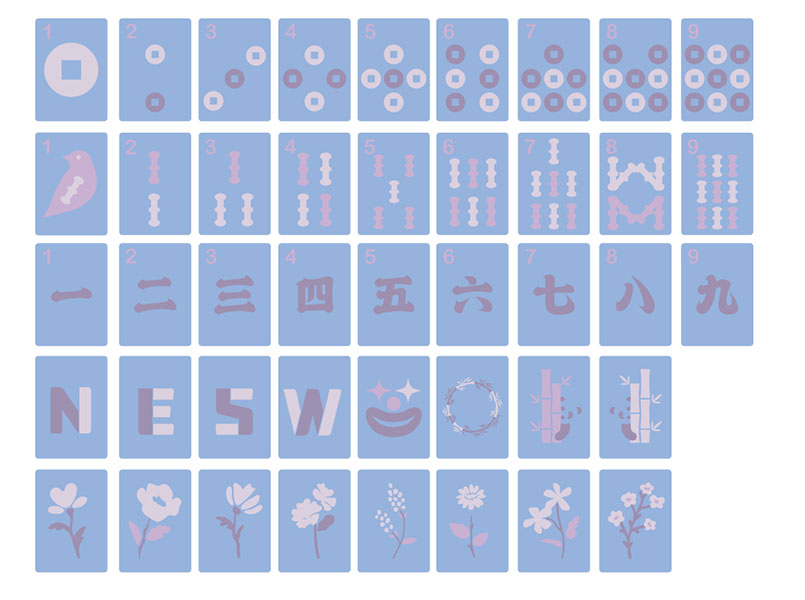
The journey of a custom acrylic mahjong set begins with your vision—and turning that vision into a manufacturable design requires careful consultation and planning. This is the most critical stage, as it sets the foundation for the entire production process. Reputable manufacturers start by working closely with clients to understand their goals, preferences, and intended use of the set. Are you creating a set for personal use, with family photos or custom patterns? A branded set for corporate gifting, featuring your company logo and colors? Or a themed set for a special event, like a wedding or holiday celebration?
During the consultation, the design team will discuss key details, including: tile size (the most popular size is 1 x 1.5 inches, but custom sizes are easily achievable), color scheme (solid colors, dual-tone, or transparent), design elements (traditional mahjong characters, custom logos, illustrations, or text), and additional features (glow-in-the-dark accents, embossed details, or custom packaging). For businesses, this stage also involves aligning the design with brand guidelines to ensure the set reflects the company’s identity. Many manufacturers, like Jayi Acrylic, offer custom design services with real human artists creating original illustrations—no AI shortcuts—ensuring your set is truly unique.
Once the concept is finalized, the design team creates a digital mockup using CAD (Computer-Aided Design) software. This mockup shows exactly how the finished set will look, including tile designs, color accuracy, and any custom details. Clients can review and revise the mockup until it perfectly matches their vision. This step is crucial for avoiding mistakes during production and ensuring the final product meets expectations. According to a 2024 industry report, sets that go through a detailed mockup process have a 95% client satisfaction rate, compared to just 78% for sets without this step.
Step 2: Material Selection & Preparation
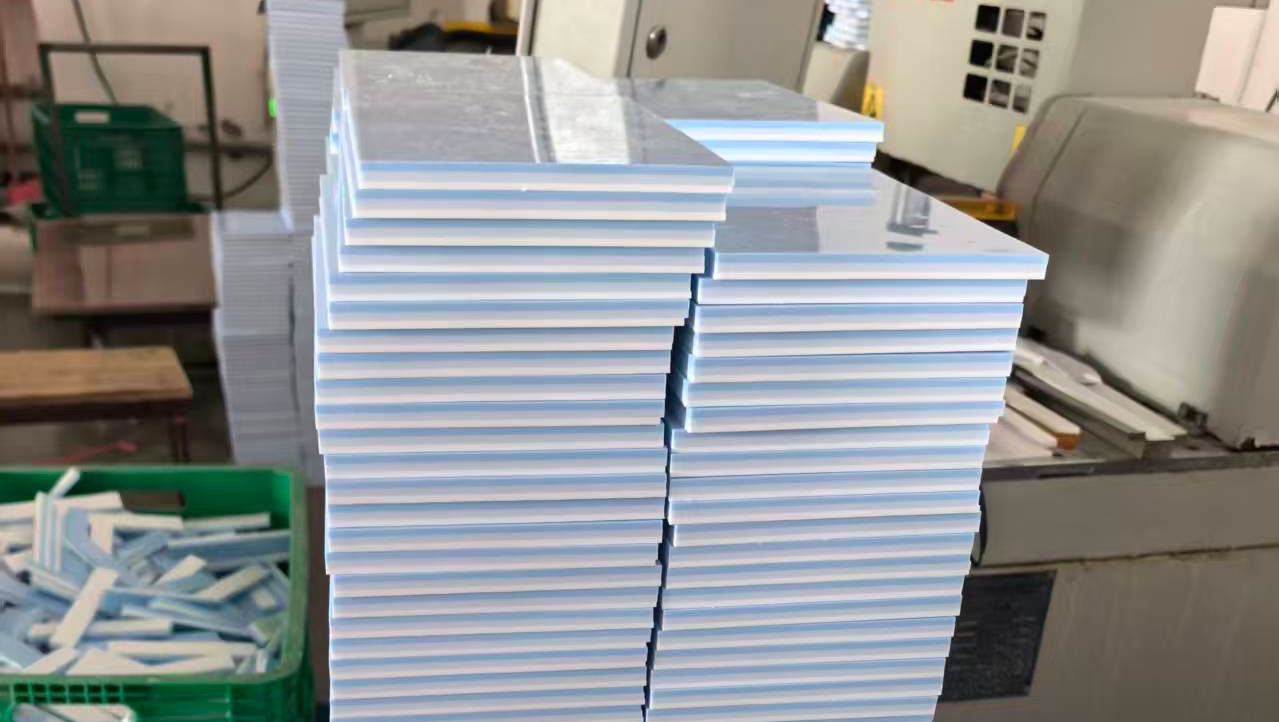
With the design finalized, the next step is selecting the right acrylic material. Not all acrylic is created equal—high-quality custom mahjong sets use premium, food-grade acrylic that is non-toxic, eco-friendly, and free from harmful chemicals. This is especially important for sets that will be used frequently, as low-quality acrylic can yellow over time or release toxins. Reputable manufacturers source acrylic from trusted suppliers, ensuring it meets international safety standards (such as FDA approval for food contact, though mahjong tiles are not used for food, this standard ensures safety for handling.
The acrylic is typically supplied in sheets or pellets, depending on the manufacturing method. For custom mahjong tiles, two main types of acrylic are used: cast acrylic and extruded acrylic. Cast acrylic is preferred for high-end custom sets because it offers superior clarity, better color stability, and is easier to engrave and customize. Extruded acrylic is more cost-effective and suitable for simpler designs, but it can be more prone to scratching. The thickness of the acrylic is also carefully chosen—most tiles are 8-10mm thick, providing the perfect balance of weight and durability.
Before production begins, the acrylic material is prepared to ensure it’s free from impurities. This involves cleaning the acrylic sheets or pellets to remove dust, dirt, or any contaminants that could affect the final product. For colored tiles, pigment is added to the acrylic during this stage, ensuring the color is evenly distributed throughout the material (not just a surface coat, which can chip or fade). For transparent or semi-transparent tiles, the acrylic is inspected for clarity, with any flawed sheets discarded to maintain quality. This attention to material preparation is what separates premium custom sets from cheap, mass-produced alternatives.
Step 3: Tile Molding & Shaping
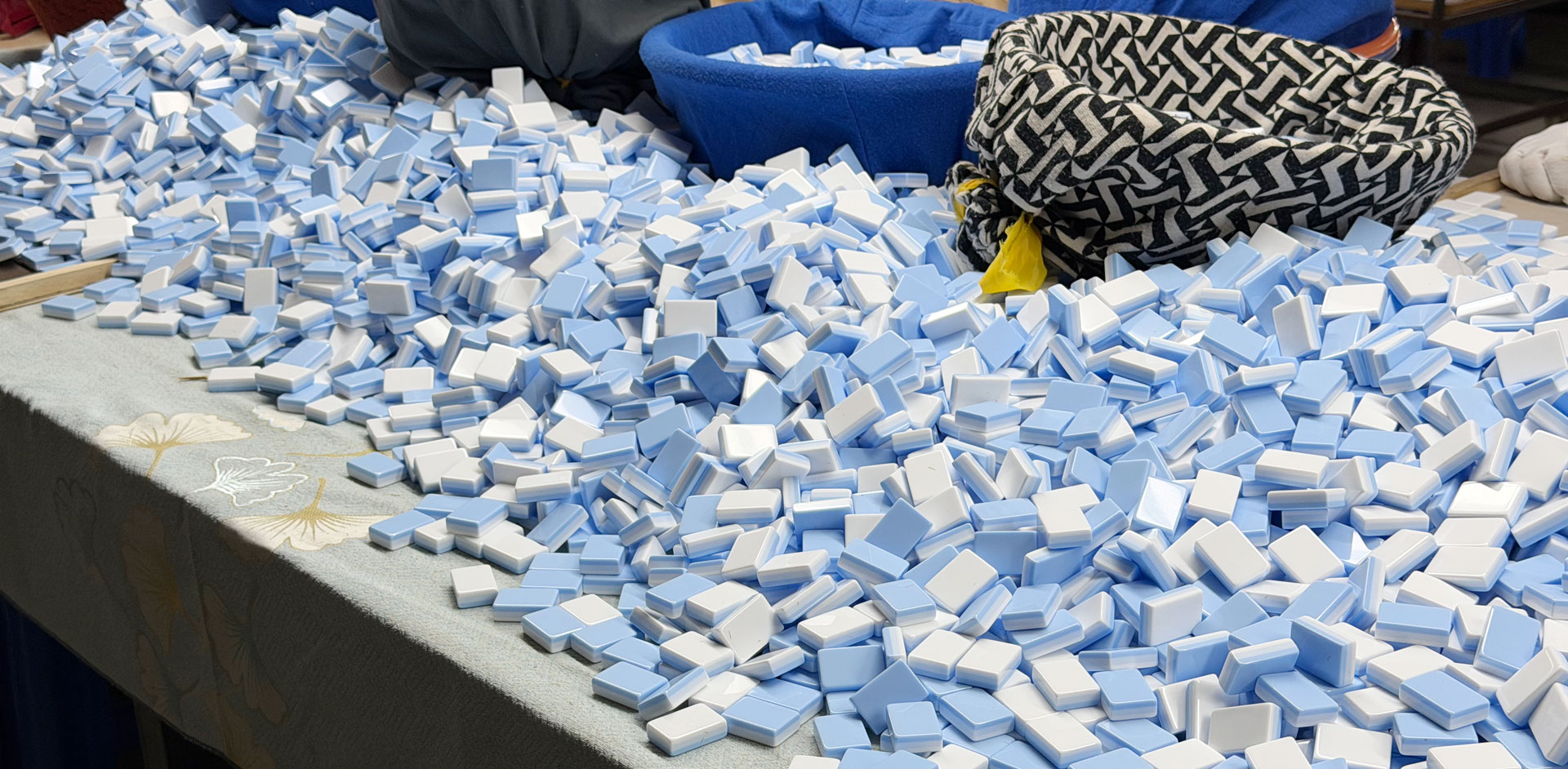
Once the material is prepared, the next step is molding the acrylic into the classic mahjong tile shape. Mahjong tiles are typically rectangular with rounded edges (to prevent chipping and ensure a comfortable feel), and the molding process must be precise to ensure every tile is uniform in size, weight, and shape. There are two main molding methods used for acrylic mahjong tiles: injection molding and compression molding.
Injection molding is the most common method for large-scale custom orders. It involves melting the acrylic pellets at a high temperature (between 200-230°C) and injecting the molten acrylic into a custom mold. The mold is designed to match the exact size and shape of the tiles, including any edge details or embossed features. Once the acrylic cools and hardens (a process that takes 10-15 minutes per batch), the mold is opened, and the tiles are removed. This method ensures consistency across all tiles, with minimal variation in size or weight—a crucial factor for fair gameplay. According to manufacturing experts, injection molding produces tiles with a 99% uniformity rate, making it ideal for custom sets that require precision.
Compression molding is used for smaller batches or more complex designs, such as tiles with embedded patterns or glow-in-the-dark elements. This method involves placing a pre-cut acrylic sheet into a mold and applying heat and pressure to shape the tile. The heat softens the acrylic, allowing it to conform to the mold’s shape, while the pressure ensures the tile is dense and free from air bubbles. Compression molding is more time-consuming than injection molding, but it offers greater flexibility for custom details. After molding, the tiles are trimmed to remove any excess material (known as “flash”) and sanded to smooth the edges.
Step 4: Custom Design Application (Engraving, Printing, or Embossing)
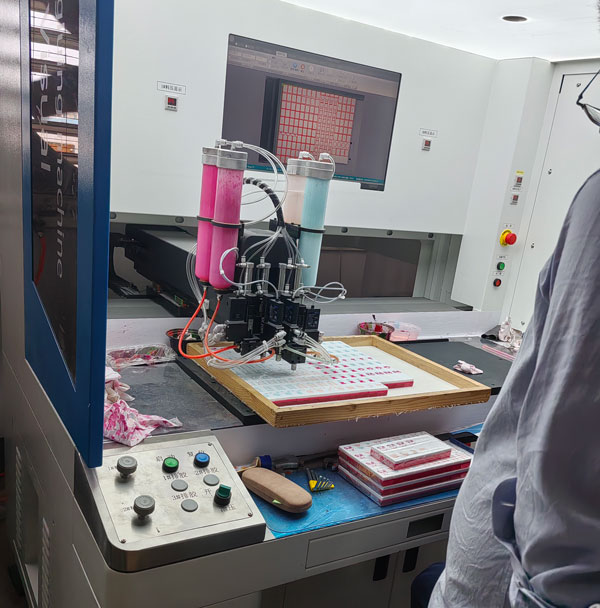
The true magic of custom acrylic mahjong sets happens in this step—applying the unique designs to the tiles. The method used depends on the design complexity, color scheme, and desired finish. There are three main techniques for applying custom designs to acrylic tiles: laser engraving, UV printing, and embossing.
Laser engraving is the most popular method for custom mahjong sets, thanks to its precision and durability. It involves using a high-powered laser to etch the design into the surface of the acrylic tile. The laser burns away a thin layer of acrylic, creating a permanent, tactile design that won’t fade or peel over time. Laser engraving is ideal for intricate details, such as small logos, text, or traditional mahjong characters. It can also be used to create dual-tone effects—for example, engraving a dark design into a light-colored tile to make the design stand out. Many manufacturers use fiber lasers for this process, which offer faster engraving times and smoother finishes.
UV printing is used for designs that require vibrant colors or full-color images, such as family photos, brand graphics, or detailed illustrations. This method uses UV-curable ink to print the design directly onto the acrylic surface. The ink is cured instantly with UV light, creating a bright, durable finish that resists scratching and fading. UV printing is perfect for custom sets that want to make a bold statement, such as branded corporate sets or themed sets for events. Unlike traditional printing methods, UV printing doesn’t require a primer, and the ink bonds directly to the acrylic, ensuring long-lasting quality.
Embossing is used for designs that require a 3D effect, such as raised logos or patterns. This method involves pressing the tile against a custom embossing die under heat and pressure, creating a raised design on the surface. Embossing adds texture to the tile, enhancing the tactile experience during gameplay. It’s often used in combination with laser engraving or UV printing to create multi-dimensional designs. For example, a company logo might be embossed and then colored with UV printing to make it stand out.
After the design is applied, the tiles are inspected to ensure the design is clear, accurate, and free from errors. Any tiles with smudged printing, uneven engraving, or misaligned designs are discarded to maintain quality standards. This quality control step is essential for ensuring the final set meets the client’s expectations.
Step 5: Polishing & Finishing
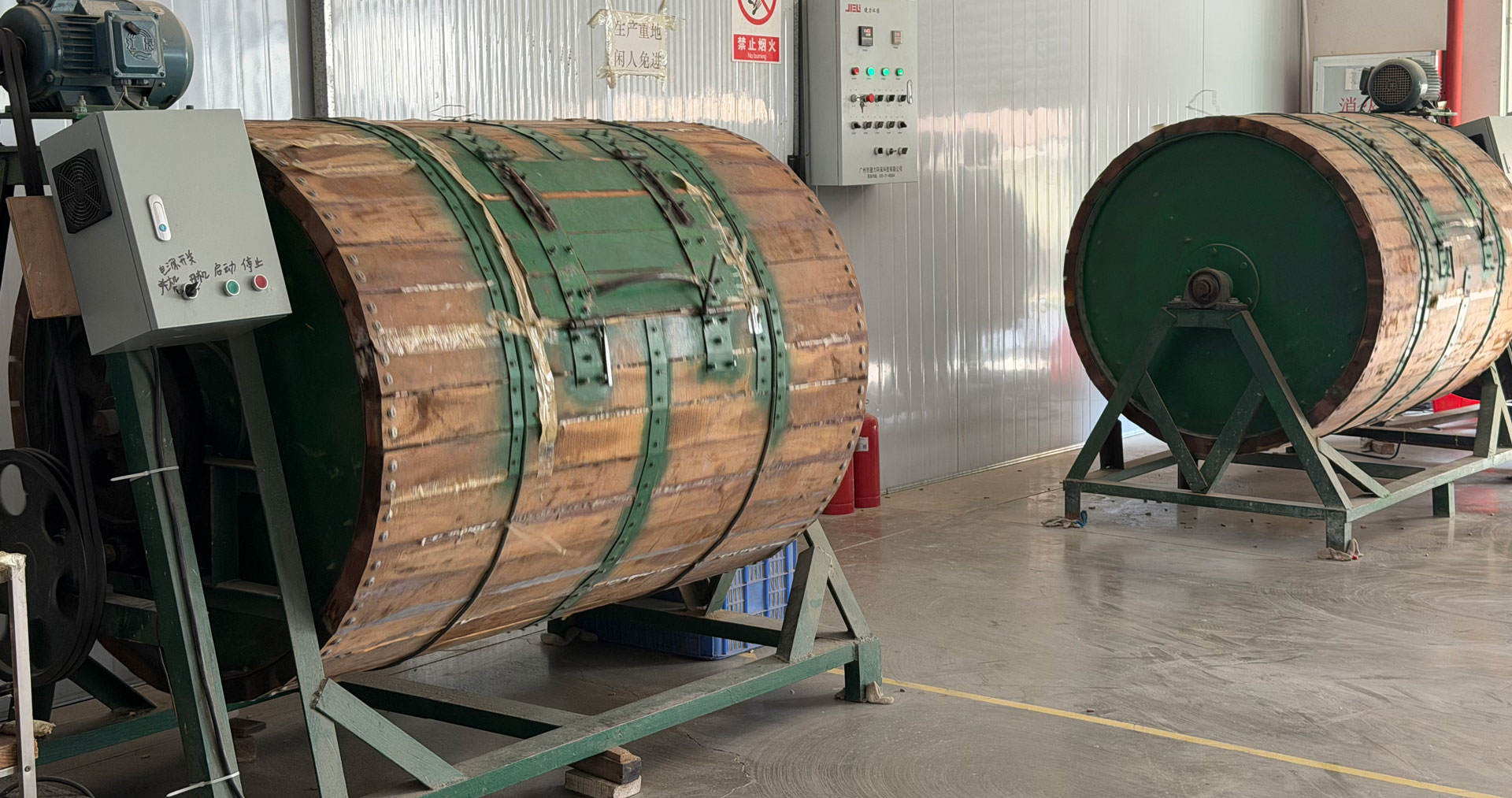
Once the tiles are shaped and designed, they undergo a series of polishing and finishing steps to achieve the smooth, premium feel that acrylic is known for. Polishing removes any scratches, rough edges, or imperfections from the tile surface, ensuring it’s sleek and easy to shuffle. There are two main polishing methods used for acrylic mahjong tiles: mechanical polishing and flame polishing.
Mechanical polishing involves using a series of abrasive pads (from coarse to fine) to sand the tile surface. This process smooths out any uneven areas and removes any marks left from molding or engraving. Mechanical polishing is done by hand or with automated machines, depending on the batch size. For high-end sets, hand polishing is preferred, as it allows for greater precision and a smoother finish. After mechanical polishing, the tiles are cleaned to remove any dust or debris.
Flame polishing is the final step in the finishing process, used to achieve a glossy, glass-like surface. It involves passing a small flame over the tile surface, which melts the top layer of acrylic slightly and smooths out any remaining scratches. Flame polishing requires skill and precision—too much heat can warp the tile, while too little won’t achieve the desired finish. This step gives the tiles their signature shine and enhances the clarity of any transparent or semi-transparent designs. According to manufacturing experts, flame-polished tiles have a 30% higher perceived value than unpolished tiles, making it a crucial step for premium custom sets.
After polishing, some sets undergo additional finishing treatments, such as applying a scratch-resistant coating. This coating adds an extra layer of protection, making the tiles more resistant to scratches and wear. It’s especially popular for sets that will be used frequently or transported regularly. The coating is applied via spray or dip and cured with UV light, ensuring it bonds to the acrylic surface.
Step 6: Quality Control & Inspection
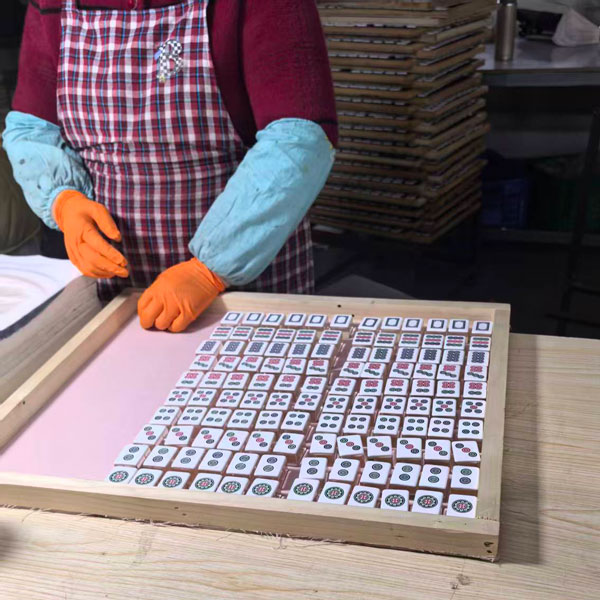
Quality control is a critical part of the manufacturing process, ensuring every custom acrylic mahjong set meets the highest standards of quality and durability. Reputable manufacturers have strict quality control protocols in place, with inspections at every stage of production. However, the final inspection is the most comprehensive, as it ensures the finished set is perfect before it’s shipped to the client.
During the final inspection, each tile is checked for: uniform size and weight (tiles must be within 0.1mm of the specified size and 2g of the specified weight to ensure fair gameplay), design accuracy (logos, text, and patterns must be clear, aligned, and free from errors), surface quality (no scratches, bubbles, or imperfections), and durability (tiles are tested for impact resistance and scratch resistance).
The set is also checked for completeness—ensuring all tiles (or the custom number of tiles specified by the client) are present and in perfect condition. Any missing or defective tiles are replaced, and the set is re-inspected before moving to packaging. Additionally, the packaging is inspected to ensure it protects the tiles during shipping and reflects the custom design (if applicable). Many custom sets come in branded boxes or custom packaging, which is also checked for quality and accuracy.
According to a 2025 report from the Chinese Acrylic Mahjong Manufacturers Association, manufacturers that implement strict quality control processes have a 98% client retention rate, compared to 65% for manufacturers with lax quality standards. This highlights the importance of quality control in the custom acrylic mahjong industry.
Step 7: Packaging & Shipping
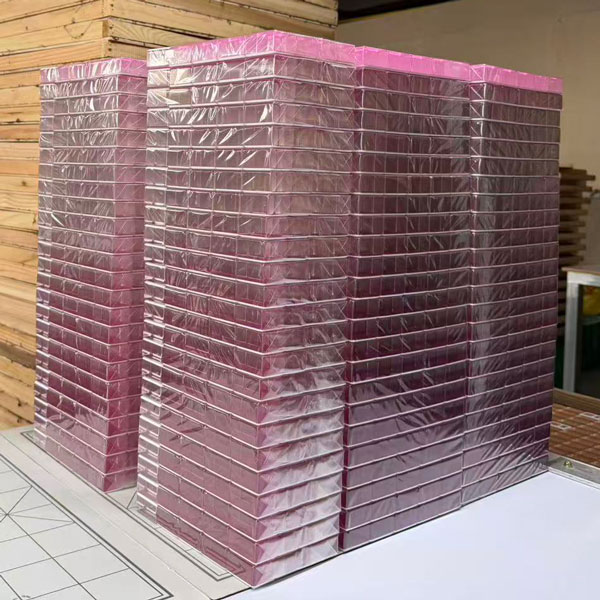
The final step in the manufacturing process is packaging and shipping the custom acrylic mahjong set. Packaging is not only about protecting the tiles during transit but also about enhancing the unboxing experience—especially for custom sets that are gifts or branded items. Most custom sets are packaged in sturdy boxes with foam inserts or felt liners to prevent the tiles from scratching or breaking during shipping. The boxes can also be customized with the client’s logo, design, or a personal message, adding an extra touch of personalization.
For international shipping, manufacturers use additional packaging materials, such as bubble wrap or cardboard dividers, to ensure the set arrives in perfect condition. They also work with trusted shipping carriers to provide tracking information, so clients can monitor their order’s progress. The shipping time varies depending on the destination—domestic orders typically take 3-7 days, while international orders take 10-21 days. Many manufacturers also offer expedited shipping options for clients who need their set by a specific date.
Before shipping, the set is labeled with the client’s information and any necessary customs documentation (for international orders). Manufacturers also include a care guide with each set, providing instructions on how to clean and maintain the acrylic tiles. This guide typically advises using a soft, damp cloth to clean the tiles (avoiding harsh chemicals that can damage the acrylic) and storing the set in a cool, dry place to prevent warping or discoloration.
Ready to turn your custom design into high-quality acrylic mahjong tiles?
Contact us now to discuss your order details and get a competitive price!
Trends in Custom Acrylic Mahjong Manufacturing
The custom acrylic mahjong industry is constantly evolving, with new trends and technologies shaping the manufacturing process. One of the biggest trends is the rise of AI-powered design tools, which help clients visualize their custom sets more easily and reduce design time. However, top manufacturers still prioritize human artists for original designs, ensuring each set is unique and personalized.
Another trend is the use of eco-friendly materials and processes. Many manufacturers are switching to recycled acrylic and water-based inks, reducing their environmental impact. Additionally, the adoption of energy-efficient machinery is helping to lower carbon emissions during production. According to a 2025 industry report, eco-friendly custom sets are growing in popularity, with a 45% increase in orders for recycled acrylic sets over the past year.
Smart mahjong sets are also emerging as a trend, with tiles embedded with LED lights or RFID chips. These features add a modern twist to the classic game, allowing for interactive gameplay or tracking scores. While still niche, smart custom sets are gaining traction among tech-savvy mahjong enthusiasts and corporate clients looking for innovative branded gifts.
Finally, the demand for region-specific designs is growing. For example, American mahjong sets (which have different tiles and rules from Chinese mahjong) are increasingly being customized with US-themed designs, while European sets often feature local cultural motifs. This trend reflects the global popularity of mahjong and the desire for sets that reflect personal or cultural identity.
FAQs About Custom Acrylic Mahjong Manufacturing
How long does it take to manufacture a custom acrylic mahjong set?
The production time varies depending on the design complexity and order size. A standard custom set (144 & 160 & 166 tiles with a simple design) typically takes 7-14 days, while more complex designs (with full-color printing, embossing, or custom packaging) can take 2-4 weeks. Sample lead times are shorter—usually 7 days for white tiles and 14 days for colored tiles.
What is the minimum order quantity for custom acrylic mahjong sets?
Most manufacturers have a minimum order quantity (MOQ) of 50-100 sets for custom orders. However, some manufacturers offer small-batch orders (as low as 10 sets) for personal use, though these may have a higher per-set cost. For corporate clients, MOQs are often higher (200+ sets) to ensure cost-effectiveness.
Can I use my own logo or design for the tiles?
Yes! Most manufacturers accept custom logos, illustrations, text, or photos. You’ll need to provide a high-resolution file (PDF, PNG, or AI) of your design, and the design team will adapt it for the tiles. They’ll also provide a digital mockup for your approval before production begins.
Are custom acrylic mahjong sets durable?
Yes! Most manufacturers accept custom logos, illustrations, text, or photos. You’ll need to provide a high-resolution file (PDF, PNG, or AI) of your design, and the design team will adapt it for the tiles. They’ll also provide a digital mockup for your approval before production begins.
Conclusion
Creating a custom acrylic mahjong set is a blend of art, technology, and craftsmanship. From the initial design consultation to the final packaging, every step is carefully executed to turn your vision into a unique, playable work of art.
Acrylic’s versatility and durability make it the perfect material for custom sets, allowing for endless design possibilities—whether you’re creating a personal set for family game nights, a branded set for corporate gifting, or a themed set for a special event. By understanding the manufacturing process, you can make informed decisions about your custom set, ensuring it meets your expectations and stands the test of time.
Whether you’re a mahjong enthusiast looking to elevate your gameplay or a business looking to create a memorable branded gift, custom acrylic mahjong sets offer a perfect combination of style, durability, and personalization. With the right manufacturer and a clear vision, you can create a set that is truly one-of-a-kind—something that will be cherished for years to come.
JAYI: China Professional Custom Acrylic Mahjong Tile Sets Manufacturer
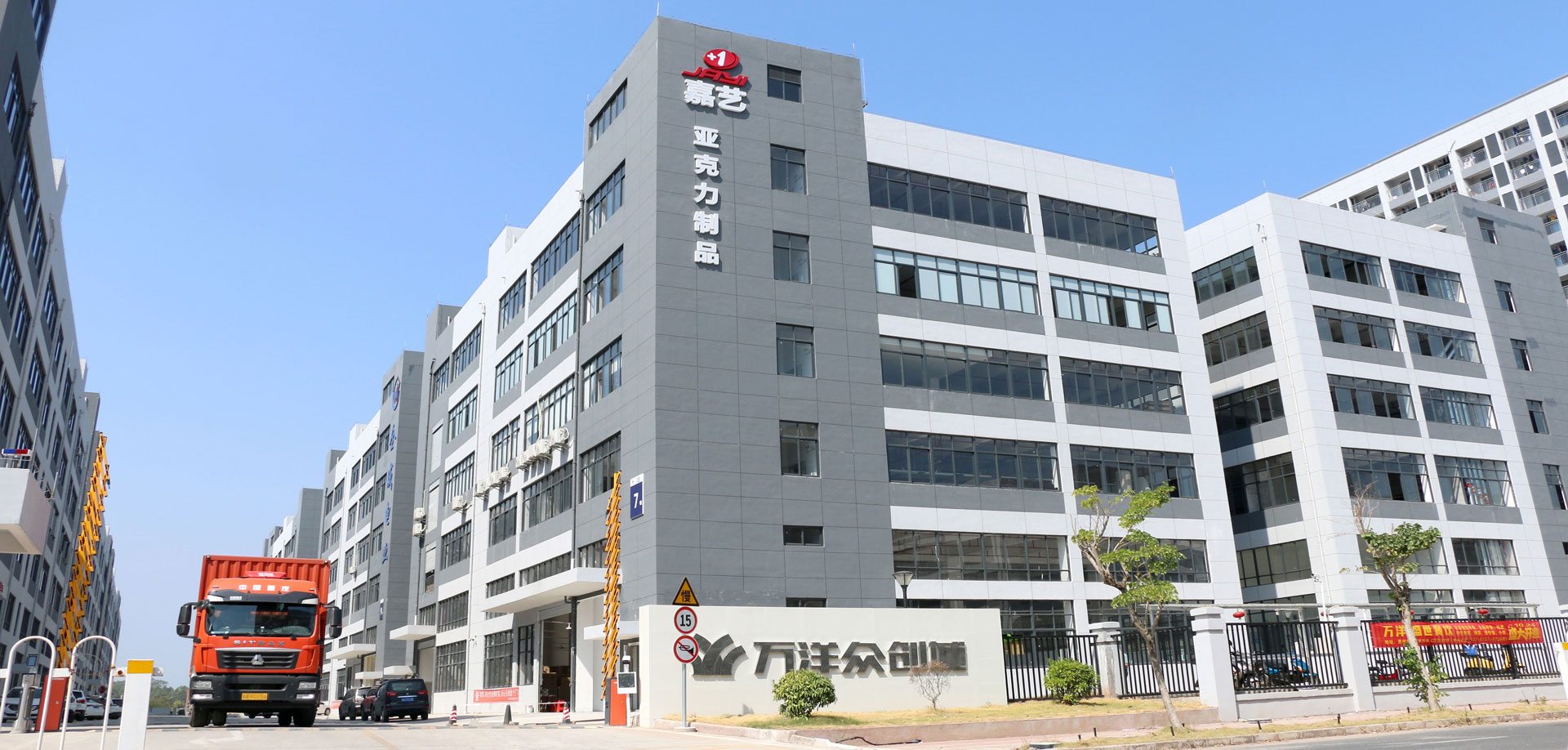
Founded in 2004, JAYI Acrylic is a leading professional manufacturer specializing in custom acrylic mahjong tiles in China, integrating R&D, design, production, and sales into one-stop solutions. With over 21 years of industry expertise, we have become a trusted partner for global clients seeking high-quality, personalized acrylic mahjong products.
We specialize in OEM/ODM services, catering to diverse needs from personal use to corporate gifting and brand promotions. Our experienced design team (with an average of 21+ years of experience) creates original, AI-free illustrations, turning your vision into exquisite, playable art. We use eco-friendly, food-grade acrylic materials, ensuring safety, durability, and long-lasting shine.
Equipped with advanced production technology (CNC cutting, laser engraving, UV printing), we ensure precise customization of sizes, colors, and designs, covering Chinese, American, and Japanese mahjong variants. Strict quality control (multiple inspections) and 10000㎡ production capacity guarantee a stable supply and on-time delivery. Exported to 30+ countries, JAYI is your reliable choice for premium custom acrylic mahjong sets.
Have a custom acrylic mahjong design in mind?
Send us your vision today for a free mockup and personalized quote!
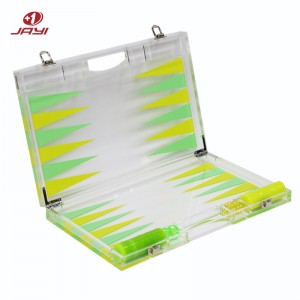
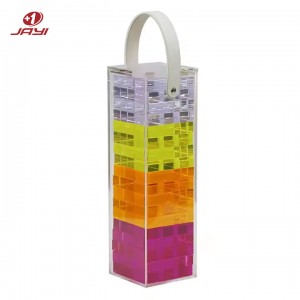
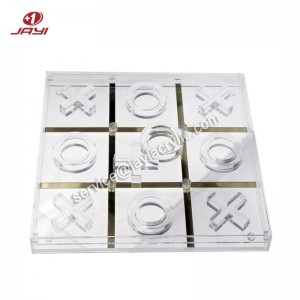
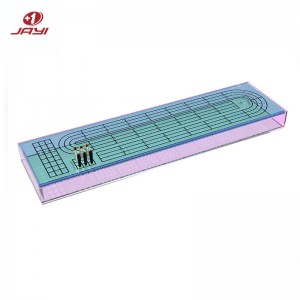
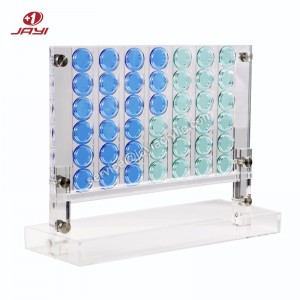
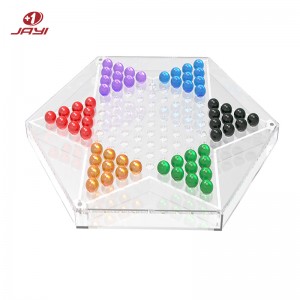
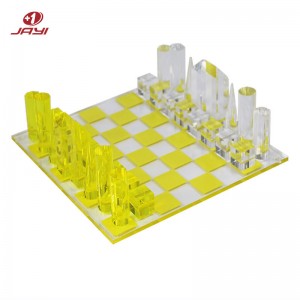
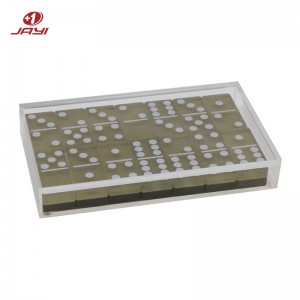
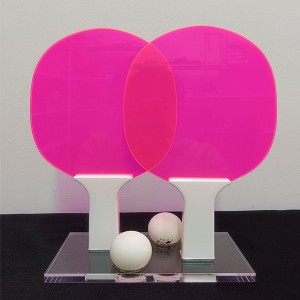
You Might Also Like Other Custom Acrylic Games
Request An Instant Quote
We have a strong and efficient team which can offer you and instant and professional quote.
Jayiacrylic has a strong and efficient business sales team that can provide you with immediate and professional acrylic game quotes. We also have a strong design team that will quickly provide you with a portrait of your needs based on your product's design, drawings, standards, test methods, and other requirements. We can offer you one or more solutions. You can choose according to your preferences.
Post time: Mar-07-2026