

Custom mahjong sets manufacturer: Choosing the right custom mahjong sets manufacturer is one of the most critical steps for launching a successful brand.
The mahjong craze is sweeping across the US, with more Americans embracing this traditional Chinese game as a social activity, family pastime, and even a competitive sport. According to Jungle Scout 2025 Q2 data, mahjong ranks among the top 50 best-selling items by Chinese sellers in Amazon’s Board Games category, with an average price of $39.9–$69.9—three times higher than ordinary playing cards. For entrepreneurs looking to tap into this booming market, cooperating with a Chinese factory is a strategic move that unlocks cost efficiency, customization flexibility, and access to a mature supply chain. However, navigating cross-border cooperation, cultural differences, and US market compliance can be challenging without a clear roadmap.
This guide, tailored for US-based entrepreneurs, breaks down the entire process of partnering with a Chinese mahjong factory—from market research and factory selection to order negotiation, quality control, and post-delivery support. By following these steps, you’ll minimize risks, build a reliable supply chain, and launch a profitable mahjong business in the US.
1. Understand the US Mahjong Market: Lay the Foundation for Cooperation

Before reaching out to Chinese factories, you must first clarify your product positioning based on the US market demand. This not only helps you communicate your needs clearly to manufacturers but also ensures your products stand out in a competitive landscape. Here’s what you need to focus on:
First, identify your target audience. The US mahjong market has two core segments: the Chinese-American community (seeking traditional, high-quality mahjong sets) and mainstream American consumers (preferring modern, portable, or themed designs). For example, Chinese-Americans often prioritize classic 144-piece sets with traditional characters, while younger Americans may favor mini travel sets, acrylic mahjong designs, or IP-themed options (e.g., holiday or pop culture motifs). Statista data shows the global board game market reached $108 billion in 2025, with a 6.3% annual growth rate—proving the long-term potential of mahjong as a niche yet growing category.
Second, research US product standards and compliance requirements. Mahjong sets sold in the US must meet specific safety and labeling regulations. For wooden sets, ensure compliance with the Lacey Act (which regulates the import of wood products to prevent illegal logging) and obtain FSC certification if using sustainable materials. Even non-children’s mahjong sets are recommended to have CPSIA safety test reports to avoid platform rejection on Amazon or eBay. Additionally, avoid packaging with words like “gambling” or “win money”—instead, use “intellectual competition” or “traditional culture” to align with US marketing norms.
Finally, analyze competitors to find your unique selling point (USP). Check top-selling mahjong sets on Amazon, Etsy, and Walmart to note their pricing, materials, designs, and customer reviews. Common gaps include a lack of customization options, poor quality control, or high shipping costs. Your USP could be eco-friendly materials (e.g., bamboo or acrylic), custom logos for businesses/events, or portable sets tailored for small spaces.
2. Find the Right Chinese Mahjong Factory: Quality and Reliability First
China is the world’s leading producer of mahjong sets, with clusters of manufacturers in Jiangsu Province, Zhejiang Province, and Guangdong Province. These regions boast mature production lines, access to raw materials, and competitive pricing—but not all factories are created equal. Your goal is to find a partner that matches your product needs, quality standards, and order scale.
2.1 Where to Find Reliable Factories
Start with trusted B2B platforms and resources:
• Alibaba & Made-in-China.com: These platforms host thousands of mahjong manufacturers, allowing you to filter by product type, minimum order quantity (MOQ), and certification (e.g., FSC, SGS). Look for factories with gold supplier status, verified business licenses, and positive customer reviews (pay attention to feedback from US buyers).
• Trade Fairs: The Canton Fair (held twice a year in Guangzhou) and China International Sports Goods Show are ideal for meeting manufacturers face-to-face. This lets you inspect samples, tour production facilities, and negotiate terms directly—critical for building trust.
• Sourcing Agents: If you’re new to cross-border cooperation, hiring a professional sourcing agent in China can save time. Agents vet factories, verify credentials, and handle communication—ensuring you avoid scams or low-quality suppliers. Look for agents with experience in the gaming or sports goods industry.
2.2 Key Criteria for Factory Evaluation
Once you’ve shortlisted 3–5 factories, evaluate them against these criteria to narrow down your choice:
• Production Capability: Confirm the factory’s MOQ (most mahjong factories have MOQs of 100–300 sets, depending on customization) and production capacity. If you plan to scale, ensure the factory can handle larger orders (e.g., 1,000+ sets per month) without compromising quality. Ask for production flow videos or photos to assess their equipment and workflow.
• Quality Control (QC) Process: Quality is non-negotiable—poorly made mahjong sets (e.g., uneven edges, faded printing, or fragile materials) will damage your brand reputation. Ask the factory about their QC procedures: do they inspect raw materials, semi-finished products, and finished goods? Request a sample to test quality firsthand (e.g., check if tiles are smooth, numbers/characters are clear, and packaging is durable).
• Customization Ability: If you want unique designs (e.g., custom colors, logos, or tile sizes), confirm the factory can accommodate your needs. Ask about customization lead times and additional costs—some factories charge extra for mold fees or design adjustments. For example, Jayi Acrylic Industry Limited offers custom mahjong sets with English fonts, ideal for the US market.
• Certifications & Compliance: Ensure the factory can provide necessary certifications (e.g., FSC for wood, SGS for material safety) to meet US import requirements. Avoid factories that cannot produce compliance documents—this could lead to customs delays or product seizures.
• Communication & Responsiveness: Effective communication is critical for cross-border cooperation. Choose a factory with English-speaking sales representatives who respond promptly to your inquiries (within 24 hours). Avoid factories that are vague about details or take weeks to reply—this is a red flag for poor service.
A “sample order” is a smart way to test a factory’s reliability. Order a mahjong sample to evaluate quality, production speed, and communication. This step helps you avoid costly mistakes with large orders later on.
3. Negotiate Terms with the Chinese Factory: Protect Your Interests
Once you’ve selected a factory, the next step is to negotiate terms and sign a formal contract. Chinese factories are open to negotiation, but it’s important to be clear, fair, and detailed to avoid misunderstandings. Here are the key terms to focus on:
3.1 Pricing & Payment Terms
Pricing depends on factors like material (e.g., melamine, acrylic, wood), tile size, customization, and order quantity. Ask for a detailed quote that breaks down costs (raw materials, production, packaging, and shipping). Negotiate for a lower unit price if you’re placing a large order—most factories offer volume discounts.
Payment terms are critical for risk control. The most common arrangement for small to medium orders is a 30% deposit (to start production) and a 70% balance (before shipment or upon receipt of the bill of lading). Avoid paying 100% upfront—this leaves you vulnerable if the factory fails to deliver. For larger orders, you can negotiate L/C (Letter of Credit) terms, which protect both parties by ensuring payment is released only upon delivery of goods meeting the agreed-upon standards.
3.2 Lead Time & Delivery
Lead time (production time) varies by order size and customization—typically 15–45 days for standard orders and 30–60 days for custom orders. Negotiate a clear delivery date and include a penalty clause for delays (e.g., 1% discount per day of delay). This encourages the factory to meet deadlines. For shipping, choose between sea freight (cost-effective for large orders, 20–30 days to US ports) or air freight (faster, 3–7 days, but more expensive). Work with the factory to arrange shipping—many factories have partnerships with freight forwarders and can offer better rates.
3.3 Quality Standards & Defect Handling
Clearly define quality standards in the contract—reference the sample you approved (sign and seal it with the factory as a “confirmed sample”). Specify acceptable defect rates (e.g., no more than 2% of sets with minor defects) and outline how defects will be handled. For example, if the factory delivers defective products, they should either replace them for free or offer a discount. Avoid vague terms like “high quality”—be specific (e.g., “tiles must be smooth with no burrs, printing must not fade after 100 uses”).
3.4 Intellectual Property (IP) Protection
If you have custom designs or logos, include an IP clause in the contract to prevent the factory from using or selling your designs to other buyers. Register your trademarks and designs in both China and the US to strengthen protection. Many factories will sign a non-disclosure agreement (NDA) if requested—this is especially important for unique product concepts.
4. Manage Production & Quality Control: Ensure Smooth Execution
Once the contract is signed and the deposit is paid, the factory will start production. Your role is to monitor progress and ensure quality—this is where many entrepreneurs fail. Here’s how to stay on top of production:
4.1 Regular Communication
Schedule weekly check-ins with the factory (via WeChat, email, or video call) to get updates on production progress. Ask for photos or videos of the production line, semi-finished products, and packaging to verify that everything is on track. Address any issues (e.g., material delays, design changes) immediately to avoid delays.
4.2 Quality Control Inspections
For orders of 500+ sets, consider hiring a third-party QC company (e.g., SGS, TÜV) to inspect the goods before shipment. QC inspectors will check the products against your standards (e.g., tile quality, packaging, compliance) and provide a detailed report. If defects are found, you can request the factory to rework or replace the products before they are shipped. For smaller orders, ask the factory to send photos/videos of the final products for your approval before shipment.
4.3 Handle Design Changes or Adjustments
If you need to make design changes during production, communicate them in writing (email or contract amendment) and confirm the impact on lead time and cost. Avoid verbal changes—these can lead to misunderstandings. The factory may charge a fee for last-minute changes, so plan your design carefully before production starts.
5. Navigate US Import & Customs: Avoid Delays
Once the goods are ready, you need to handle US import procedures to get them cleared through customs. Here’s what you need to do:
• Prepare Import Documents: The factory will provide you with a commercial invoice, packing list, bill of lading (B/L), and certificate of origin. Ensure these documents are accurate (e.g., product descriptions, quantities, values) to avoid customs delays. If your products require certifications (e.g., FSC, CPSIA), include these documents as well.
• Calculate Import Duties & Taxes: Mahjong sets fall under HS code 9504.90 (toys and games), with a US import duty rate of 3.9% (as of 2026). Use the US Customs and Border Protection (CBP) duty calculator to estimate costs. You’ll also need to pay sales tax based on your state (e.g., 7.25% in California, 6% in New York).
• Work with a Customs Broker: If you’re new to importing, hire a customs broker to handle the clearance process. Brokers know the latest customs regulations and can help you avoid mistakes (e.g., incorrect documentation) that could lead to delays or fines. They will also help you pay duties and taxes on your behalf.
Note: Mahjong sets are not prohibited in the US, but avoid shipping sets with ivory or other protected materials—these will be seized by customs. Stick to legal materials like melamine, acrylic, or FSC-certified wood.
6. Post-Delivery Support & Long-Term Cooperation
Once the goods are ready, you need to handle US import procedures to get them cleared through customs. Here’s what you need to do:
• Prepare Import Documents: The factory will provide you with a commercial invoice, packing list, bill of lading (B/L), and certificate of origin. Ensure these documents are accurate (e.g., product descriptions, quantities, values) to avoid customs delays. If your products require certifications (e.g., FSC, CPSIA), include these documents as well.
• Calculate Import Duties & Taxes: Mahjong sets fall under HS code 9504.90 (toys and games), with a US import duty rate of 3.9% (as of 2026). Use the US Customs and Border Protection (CBP) duty calculator to estimate costs. You’ll also need to pay sales tax based on your state (e.g., 7.25% in California, 6% in New York).
• Work with a Customs Broker: If you’re new to importing, hire a customs broker to handle the clearance process. Brokers know the latest customs regulations and can help you avoid mistakes (e.g., incorrect documentation) that could lead to delays or fines. They will also help you pay duties and taxes on your behalf.
Note: Mahjong sets are not prohibited in the US, but avoid shipping sets with ivory or other protected materials—these will be seized by customs. Stick to legal materials like melamine, acrylic, or FSC-certified wood.
FAQ: Common Questions About Cooperating with Chinese Mahjong Factories for US Business
1. What is the typical MOQ when ordering mahjong sets from a Chinese factory?
Most Chinese mahjong factories set a minimum order quantity (MOQ) of 100–300 sets, depending on customization needs. Standard, non-customized sets often have lower MOQs (50–100 sets), while custom designs (e.g., unique logos, tile sizes, or materials) may require 300–500 sets. For new entrepreneurs, many factories accept small trial orders (100-200 sets) to test quality and market demand before scaling up. Negotiating MOQs is possible for long-term partnerships or bulk orders.
2. How long does it take to produce and ship mahjong sets from China to the US?
Production lead time ranges from 15–45 days for standard orders and 30–60 days for custom orders, depending on order size and complexity. Shipping time varies by method: sea freight (cost-effective for large orders) takes 20–30 days to US ports, while air freight (faster for small batches) takes 3–7 days. Total time from order confirmation to delivery is typically 35–90 days, so plan to avoid stockouts during peak sales periods.
3. Do Chinese factories provide US-compliant certifications for mahjong sets?
Yes, reputable Chinese mahjong factories can provide the necessary certifications to meet US import requirements. For wooden sets, they offer FSC certification (for sustainable wood) and Lacey Act compliance. For all materials, SGS or CPSIA safety test reports are available to ensure compliance with Amazon, eBay, and US consumer safety standards. Always confirm certification availability before signing a contract to avoid customs delays or product rejection.
4. Can I customize mahjong sets with my brand logo or unique design?
Absolutely—most Chinese mahjong factories offer full customization options. You can add your brand logo, choose custom tile colors, sizes, and materials (melamine, acrylic, wood), and even design unique packaging. Customization costs may include one-time mold fees (for unique tile shapes) or design fees, which vary by factory. Be sure to provide clear design files (AI or PSD) and confirm lead time extensions (usually 10–15 extra days) for custom orders.
5. What should I do if the received mahjong sets have quality defects?
First, document all defects with photos or videos and contact the factory immediately. Reputable factories will resolve issues per the contract—common solutions include free replacements, partial refunds, or reworking defective products. To avoid this, arrange pre-shipment quality control (QC) inspections (via SGS or TÜV) for orders over 500 sets. Including a defect rate clause (e.g., ≤2% minor defects) in your contract will protect your interests and ensure accountability.
Conclusion
Starting a mahjong business in the US with a Chinese factory is a viable and profitable venture—but it requires careful planning and execution. Here are some final tips to help you succeed:
• Start Small: Don’t place a large order upfront. Test the market with a small batch, gather customer feedback, and adjust your product before scaling.
• Focus on Branding: Differentiate your mahjong sets with strong branding (e.g., unique packaging, storytelling about Chinese culture) to stand out from competitors. Americans love products with a cultural story—use this to your advantage.
• Stay Updated on Regulations: US import and product safety regulations change regularly. Stay informed to avoid compliance issues (e.g., new CPSIA requirements) that could impact your business.
• Build Relationships: Treat your Chinese factory as a partner, not just a supplier. Respect cultural differences (e.g., Chinese New Year holidays, which may delay production) and communicate with patience and clarity.
With the right Chinese factory partner, you can leverage cost efficiency and customization to launch a successful mahjong business in the US. By following this guide, you’ll navigate the process with confidence, minimize risks, and turn your entrepreneurial vision into reality.
JAYI: China Professional Acrylic Mahjong Set Manufacturer
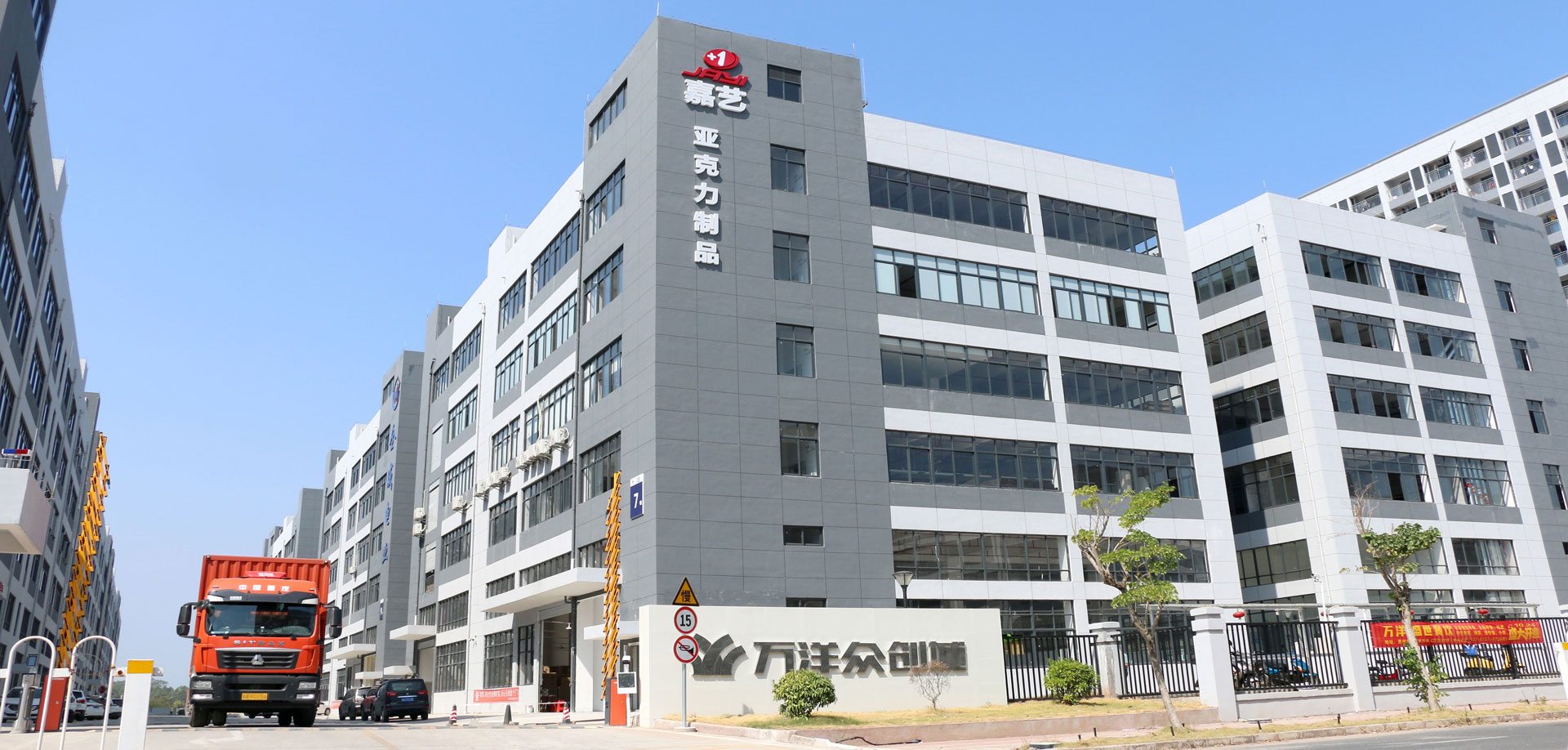
Jayi Acrylic, established in 2004, is a leading professional manufacturer and supplier of acrylic mahjong sets in China, with over 20 years of experience in acrylic product R&D, design, and production.
We specialize in custom OEM/ODM acrylic mahjong sets, featuring shatter-resistant, moisture-proof, and smooth-touch tiles that balance premium feel and durability.
Our 10,000㎡ self-built factory is equipped with advanced laser cutting and CNC routing equipment, supporting full customization of sizes, colors, logos, and patterns.
We hold ISO 9001, BSCI, and SGS certifications, ensuring products meet US and global safety standards.
With prompt sample lead time (7-14 days) and reliable after-sales service, we serve global clients, becoming a trusted partner for businesses and enthusiasts worldwide.
Bulk custom mahjong sets: If you’re ready to move forward, explore our capabilities in producing bulk custom mahjong sets for new brands.
Interested in Custom Acrylic Mahjong Sets with Jayi?
Send Your Inquiry Today and Start Your Personalized Customization Journey!
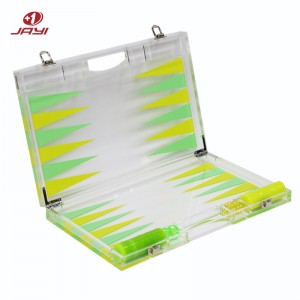
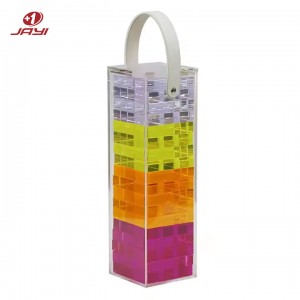
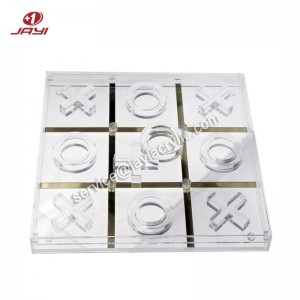
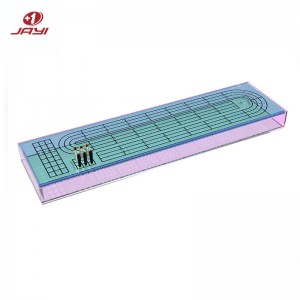
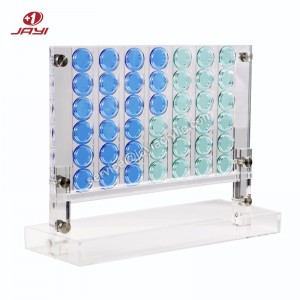
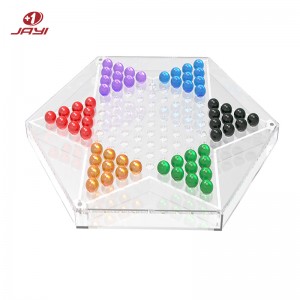
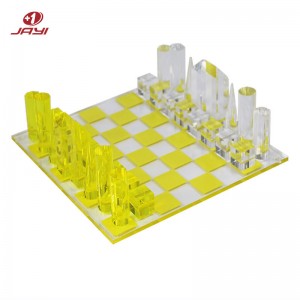
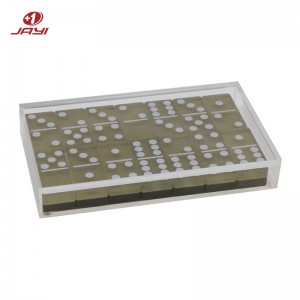
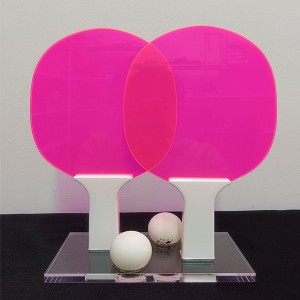
You Might Also Like Other Custom Acrylic Games
Request An Instant Quote
We have a strong and efficient team which can offer you and instant and professional quote.
Jayiacrylic has a strong and efficient business sales team that can provide you with immediate and professional acrylic game quotes. We also have a strong design team that will quickly provide you with a portrait of your needs based on your product's design, drawings, standards, test methods, and other requirements. We can offer you one or more solutions. You can choose according to your preferences.
Post time: Mar-03-2026