

Mahjong, a timeless game of strategy, luck, and social connection, has evolved dramatically over centuries—from traditional bone and bamboo tiles to the modern, durable materials we use today. As the game’s popularity spreads globally, from family game nights in living rooms to competitive tournaments in clubs, the choice of mahjong tiles has become more critical than ever. The material of your tiles doesn’t just affect their appearance; it impacts durability, gameplay feel, maintenance needs, and even the overall enjoyment of the game.
Among the most popular modern mahjong tile materials, acrylic and melamine stand out. Both are widely used in commercial and home sets, praised for their durability and affordability compared to traditional bone or bamboo.
But how do they stack up against each other? Is acrylic better for frequent use, or is melamine the more practical choice for casual players? In this comprehensive guide, we’ll break down every key difference between acrylic and melamine mahjong tiles—from their composition and manufacturing process to their pros, cons, and ideal use cases. By the end, you’ll have all the information you need to make an informed decision that fits your gameplay style, budget, and preferences.
We’ll also address common questions players have: Do acrylic tiles feel more premium? Are melamine tiles easier to maintain? Which material holds up better to kids or pets? And for those looking to source mahjong tiles for resale or commercial use, we’ll highlight what to look for in a quality set—including a few opportunities to connect with trusted suppliers.
What Are Acrylic Mahjong Tiles?
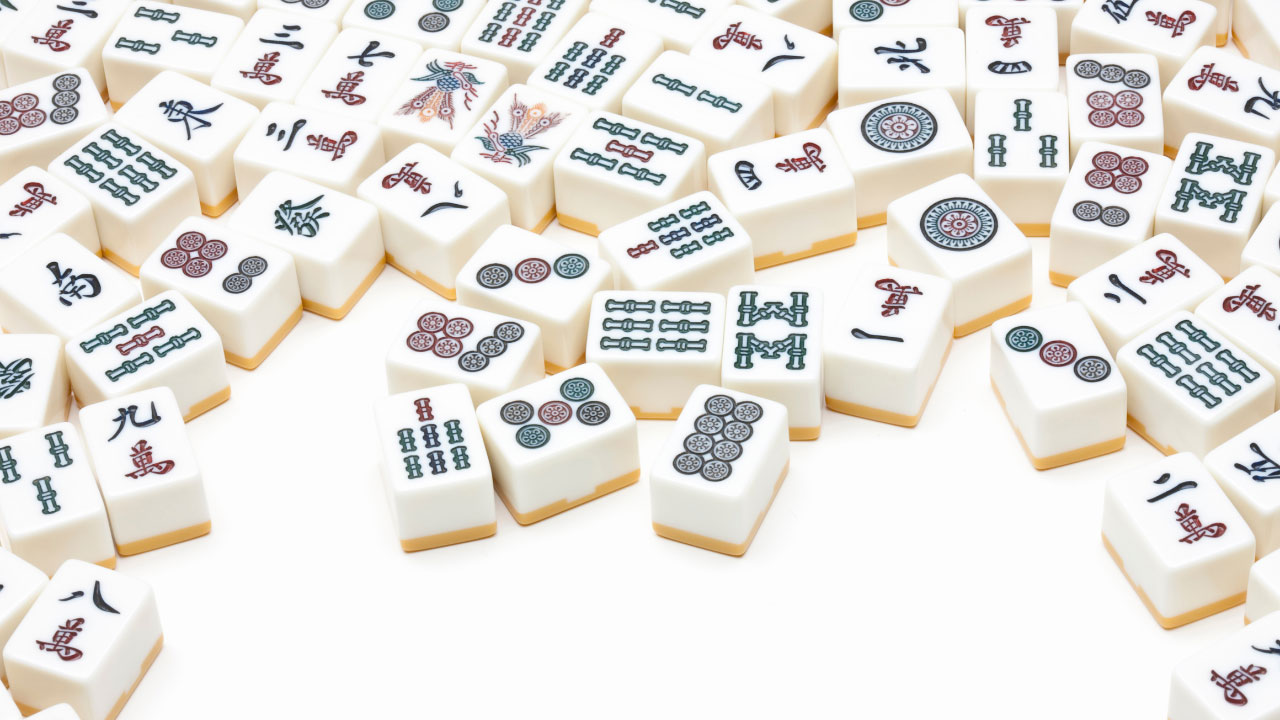
Acrylic—also known as PMMA (polymethyl methacrylate)—is a synthetic polymer that’s valued for its clarity, durability, and versatility. It’s often referred to as “plexiglass” or “acrylite” and is used in a wide range of products, from windows and signage to furniture and decorative items. In the world of mahjong, acrylic tiles are a popular choice for players who want a balance of style, durability, and a premium feel without the high cost of traditional materials like bone or jade.
Acrylic mahjong tiles are typically made by molding liquid acrylic resin into the standard mahjong tile shape (usually rectangular with rounded edges) and then curing it under heat to create a hard, solid surface. The manufacturing process allows for extensive customization: acrylic can be colored, tinted, or even embedded with patterns, logos, or glow-in-the-dark elements. Many acrylic tiles feature a smooth, glossy finish that mimics the look of glass or jade, adding a touch of elegance to any game set.
One of the key characteristics of acrylic tiles is their weight and feel. Unlike cheap plastic tiles, which can feel lightweight and flimsy, acrylic tiles have a substantial heft that’s similar to traditional bone tiles. This weight makes shuffling and arranging tiles more satisfying, as they produce a crisp, pleasant sound when clacked together—something many mahjong enthusiasts value.
Key Properties of Acrylic Mahjong Tiles
Durability: Acrylic is shatter-resistant and impact-resistant, making it ideal for frequent use. It can withstand accidental drops, bumps, and scratches better than glass or ceramic tiles. While it can scratch if exposed to sharp objects, it’s far more resilient than traditional materials like bone, which are prone to chipping and cracking.
Clarity & Aesthetics: Acrylic has excellent optical clarity, so tiles can be made transparent, translucent, or opaque. This versatility allows for unique designs, such as dual-tone tiles (e.g., a white base with colored characters) or tiles with embedded designs that are visible from all angles.
Weight: Acrylic tiles typically weigh between 15 and 25 grams per tile, which is heavier than melamine tiles but lighter than bone tiles. This balanced weight makes them easy to handle for players of all ages while still providing a satisfying feel.
Maintenance: Acrylic tiles are easy to clean—they can be wiped down with a damp cloth and mild soap to remove dirt, stains, or fingerprints. They are resistant to moisture, so they won’t warp or discolor if exposed to humidity (a common issue with wood or bamboo tiles).
Customization: Acrylic is highly moldable, so manufacturers can create tiles in any size, shape, color, or design. This makes acrylic tiles a popular choice for custom mahjong sets, whether for personal use, gifts, or commercial branding.
Pros of Acrylic Mahjong Tiles
Acrylic tiles offer a range of benefits that make them a top choice for many mahjong players, from casual enthusiasts to serious competitors. Here are the most notable advantages:
1. Premium Feel & Sound: The weight and smooth finish of acrylic tiles provide a luxurious feel that’s similar to high-end traditional tiles. Shuffling acrylic tiles produces a crisp, satisfying clink that enhances the gameplay experience—something that cheap plastic or melamine tiles often lack.
2. Longevity: With proper care, acrylic tiles can last for decades. They are resistant to chipping, cracking, and discoloration, even with daily use. This makes them a great investment for players who use their mahjong set frequently or want a set that can be passed down to family members.
3. Versatile Design Options: Whether you prefer a classic look with traditional Chinese characters or a modern, minimalist design with vibrant colors, acrylic tiles can accommodate your style. Many manufacturers offer custom engraving or printing, so you can create a one-of-a-kind set.
4. Moisture Resistance: Unlike wood, bamboo, or even some types of plastic, acrylic is impervious to moisture. This means you can use your mahjong set in humid environments (e.g., a beach house or a bathroom) without worrying about the tiles warping or rotting.
5. Scratch-Resistant (to a Degree): While acrylic can scratch, it’s more scratch-resistant than glass or ceramic tiles. Minor scratches can often be buffed out with a soft cloth or acrylic polish, extending the life of your tiles.
Cons of Acrylic Mahjong Tiles
While acrylic tiles have many advantages, they aren’t perfect. Here are a few drawbacks to consider before making a purchase:
1. Higher Cost: Acrylic tiles are more expensive than melamine or cheap plastic tiles. A full set of acrylic mahjong tiles can cost 20-50% more than a comparable melamine set. This higher cost is due to the more expensive raw materials and manufacturing process.
2. Prone to Static Electricity: Acrylic is an insulator, so it can build up static electricity over time. This can cause tiles to stick together or attract dust and lint, which can be annoying during gameplay. However, this issue can be easily resolved by wiping the tiles with a damp cloth occasionally.
3. Can Yellow Over Time (with Poor Quality): Low-quality acrylic tiles may yellow when exposed to direct sunlight or heat over long periods. High-quality acrylic (known as “UV-stabilized acrylic”) is resistant to yellowing, but it’s important to check the product specifications before buying.
4. Heavier Than Melamine: While the weight of acrylic tiles is a pro for many players, it can be a con for those who need a portable set. Acrylic sets are heavier and bulkier than melamine sets, making them less ideal for travel or storage in small spaces.
If you’re looking for a high-quality acrylic mahjong set—whether for personal use or commercial resale.
Contact us today to get a customized quote and sample. Our premium acrylic tiles are UV-stabilized, scratch-resistant, and available in a wide range of designs to meet your needs.
What Are Melamine Mahjong Tiles?
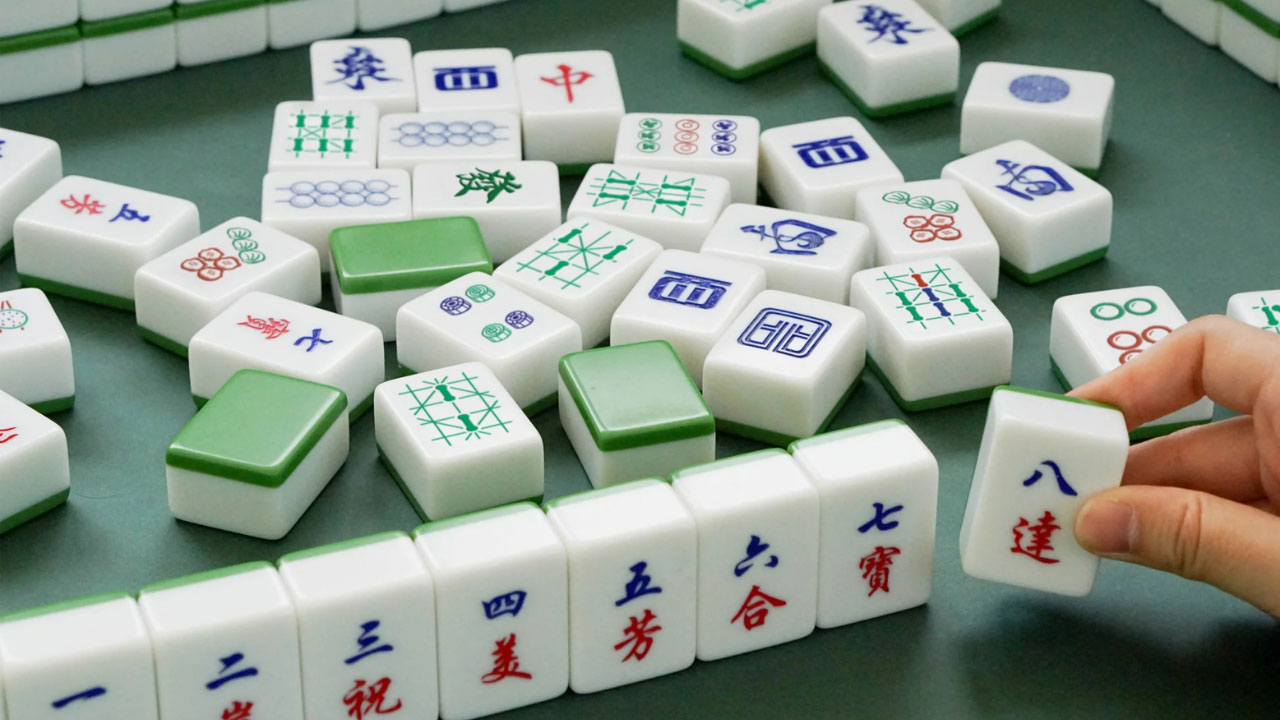
Melamine is another synthetic material that’s widely used in the production of mahjong tiles. It’s a thermosetting plastic made from melamine resin and formaldehyde, known for its durability, affordability, and resistance to heat and chemicals. Melamine is commonly used in kitchenware (e.g., plates, bowls), furniture (e.g., laminate countertops), and other household items—so it’s a material you’re likely already familiar with.
Melamine mahjong tiles are manufactured using a compression molding process: melamine resin powder is mixed with pigments and then pressed into a mold at high temperature and pressure. This process creates a hard, dense tile that’s resistant to scratches, stains, and heat. Unlike acrylic tiles, which have a glossy finish, melamine tiles typically have a matte or semi-gloss finish that’s less prone to showing fingerprints.
One of the key selling points of melamine tiles is their affordability. They are one of the most budget-friendly options on the market, making them a popular choice for casual players, families, and those who are new to the game. Melamine tiles are also lightweight, which makes them ideal for portable mahjong sets or for players who need to store their set in small spaces.
Key Properties of Melamine Mahjong Tiles
• Durability: Melamine is extremely durable and resistant to scratches, stains, and impact. It can withstand heavy use without chipping or cracking, making it ideal for families with kids or pets. Melamine tiles are also heat-resistant, so they won’t warp or melt if exposed to hot surfaces (e.g., a coffee mug).
• Affordability: Melamine is a low-cost material, so melamine mahjong tiles are significantly cheaper than acrylic, bone, or jade tiles. A full set of melamine tiles can cost as little as $20-$50, making them accessible to almost any budget.
• Weight: Melamine tiles are lightweight, typically weighing between 10 and 15 grams per tile. This makes them easy to carry and store, making them a great choice for travel or portable mahjong sets.
• Maintenance: Like acrylic tiles, melamine tiles are easy to clean. They can be wiped down with a damp cloth and mild soap, and they are resistant to moisture. Unlike acrylic, melamine doesn’t build up static electricity, so it’s less prone to attracting dust and lint.
• Colorfastness: Melamine tiles are highly colorfast, meaning the colors and designs won’t fade over time—even with frequent use and exposure to sunlight. This is because the pigments are mixed into the melamine resin during manufacturing, rather than painted on the surface.
Pros of Melamine Mahjong Tiles
Melamine tiles offer a range of benefits that make them a popular choice for casual players and budget-conscious buyers. Here are the most notable advantages:
1. Affordability: As mentioned, melamine tiles are one of the cheapest options on the market. This makes them a great choice for new players who don’t want to invest too much in a set, or for families who need a set that can withstand rough use without breaking the bank.
2. Lightweight & Portable: Melamine tiles are significantly lighter than acrylic or bone tiles, making them ideal for travel. Many melamine mahjong sets come with a carrying case, so you can easily take them to game nights, vacations, or family gatherings.
3. Low Maintenance: Melamine tiles are easy to clean and don’t require any special care. They don’t build up static electricity, don’t yellow over time, and are resistant to stains and scratches. This makes them a great choice for busy families or players who don’t want to spend time maintaining their tiles.
4. Durable for Casual Use: While melamine tiles aren’t as heavy or premium-feeling as acrylic tiles, they are still very durable. They can withstand accidental drops, bumps, and scratches, making them ideal for casual gameplay. They are also heat-resistant, so you don’t have to worry about them warping if you place a hot drink nearby.
5. Wide Availability: Melamine mahjong tiles are widely available online and in stores. They come in a variety of designs, from traditional Chinese characters to modern, colorful patterns, so you’re sure to find a set that fits your style.
Cons of Melamine Mahjong Tiles
While melamine tiles are a great choice for casual players, they have a few drawbacks that may make them less ideal for serious enthusiasts. Here are the key cons:
1. Cheap Feel & Sound: The biggest complaint about melamine tiles is their feel and sound. They are lightweight and flimsy compared to acrylic or bone tiles, and shuffling them produces a dull, plastic-like sound that many mahjong enthusiasts find unsatisfying. This can detract from the overall gameplay experience, especially for players who are used to traditional tiles.
2. Less Durable Than Acrylic (for Heavy Use): While melamine tiles are durable for casual use, they aren’t as resilient as acrylic tiles. With heavy, daily use (e.g., in a tournament setting), melamine tiles can chip or crack over time. They are also more prone to bending if exposed to excessive pressure.
3. Limited Customization: Melamine tiles are more difficult to customize than acrylic tiles. The compression molding process makes it harder to create complex designs, embedded patterns, or transparent tiles. Most melamine tiles have printed or engraved designs on the surface, which can wear off over time (though this is rare with high-quality sets).
4. Less Aesthetic Appeal: Melamine tiles have a matte, plastic-like finish that doesn’t have the same elegance as acrylic, glass, or bone tiles. They are often seen as “budget” tiles, so they may not be ideal for players who want a set that looks premium or elegant.
For bulk orders of high-quality melamine mahjong tiles at competitive prices—perfect for resale or family-friendly game sets.
Send us an inquiry now to discuss your requirements and get a free sample. We offer a wide range of colors and designs to suit any market.
Acrylic vs Melamine Mahjong Tiles: A Head-to-Head Comparison
Now that we’ve covered the basics of acrylic and melamine mahjong tiles, let’s compare them head-to-head in key categories. This will help you see the differences clearly and decide which material is right for you.
1. Durability
Acrylic: Shatter-resistant, impact-resistant, and scratch-resistant (to a degree). Can withstand heavy use and accidental drops without chipping or cracking. High-quality acrylic is UV-stabilised to prevent yellowing.
Melamine: Durable for casual use, resistant to scratches, stains, and heat. However, it’s less resilient than acrylic—prone to chipping or cracking with heavy, daily use. Not as shatter-resistant as acrylic.
Winner: Acrylic (for heavy use); Melamine (for casual use).
2. Feel & Sound
Acrylic: Substantial weight (15-25g per tile) that mimics traditional bone tiles. Smooth, glossy finish provides a premium feel. Shuffling produces a crisp, satisfying clink.
Melamine: Lightweight (10-15g per tile) and has a flimsy feel. Matte finish feels plastic-like. Shuffling produces a dull, unappealing sound.
Winner: Acrylic.
3. Aesthetics
Acrylic: High optical clarity, available in transparent, translucent, or opaque designs. Glossy finish mimics glass or jade. Extensive customization options (embedded patterns, glow-in-the-dark, dual-tone).
Melamine: Matte, plastic-like finish. Limited to solid colors or printed/engraved designs. Less elegant and premium-looking than acrylic.
Winner: Acrylic.
4. Affordability
Acrylic: More expensive—20-50% higher cost than melamine. A full set can cost $50-$200+ depending on quality and customization.
Melamine: Budget-friendly—one of the cheapest options on the market. A full set can cost $20-$50.
Winner: Melamine.
5. Portability
Acrylic: Heavier and bulkier than melamine. Less ideal for travel or storage in small spaces.
Melamine: Lightweight and compact. Perfect for portable sets and travel. Easy to store in small cabinets or carrying cases.
Winner: Melamine.
6. Maintenance
Acrylic: Easy to clean with a damp cloth and mild soap. Resistant to moisture. Prone to static electricity (can be resolved with a damp cloth). Minor scratches can be buffed out.
Melamine: Even easier to maintain. No static electricity, no yellowing, and resistant to stains and scratches. Wipes clean with a damp cloth.
Winner: Melamine (slight edge for no static and lower maintenance).
7. Customization
Acrylic: Highly customizable—can be molded into any size, shape, or color. Embedded patterns, logos, and glow-in-the-dark elements are possible. Ideal for custom sets.
Melamine: Limited customization—mostly solid colors or printed/engraved designs. Complex designs or transparent tiles are not feasible.
Winner: Acrylic.
8. Colorfastness
Acrylic: High-quality acrylic is colorfast, but low-quality acrylic may fade or yellow with sunlight exposure.
Melamine: Extremely colorfast—pigments are mixed into the resin, so colors won’t fade over time, even with sunlight exposure.
Winner: Melamine.
Which Material Is Right for You? A Guide to Choosing Between Acrylic and Melamine
Now that you understand the key differences between acrylic and melamine mahjong tiles, it’s time to decide which one is right for you. The answer depends on your gameplay style, budget, preferences, and intended use. Here’s a breakdown of who should choose each material:
Choose Acrylic Mahjong Tiles If…
• You’re a serious mahjong enthusiast: If you play mahjong frequently (several times a week) or participate in tournaments, acrylic tiles are the better choice. Their durability, premium feel, and satisfying sound will enhance your gameplay experience.
• You value aesthetics and style: If you want a mahjong set that looks elegant and premium—whether for display or gameplay—acrylic tiles are the way to go. Their glossy finish and customization options make them stand out.
• You want a long-term investment: Acrylic tiles are more expensive upfront, but they last longer than melamine tiles. If you want a set that will last for decades and can be passed down, acrylic is worth the investment.
• You want a custom set: If you’re looking for a personalized mahjong set (e.g., with your logo, family crest, or unique design), acrylic tiles are the best option due to their high customization potential.
• You prefer a substantial feel: If you don’t like lightweight, flimsy tiles, acrylic’s balanced weight (similar to traditional bone tiles) will be more satisfying.
Choose Melamine Mahjong Tiles If…
• You’re a casual player: If you play mahjong occasionally (once a month or less) or only for family game nights, melamine tiles are more than sufficient. They’re durable enough for casual use and much cheaper.
• You’re on a budget: If you don’t want to spend a lot of money on a mahjong set, melamine is the most affordable option. You can get a high-quality set for under $50.
• You need a portable set: If you travel frequently or need to store your mahjong set in a small space, melamine’s lightweight design makes it ideal. Many melamine sets come with a carrying case for easy transport.
• You have kids or pets: If your mahjong set will be used by kids or around pets, melamine tiles are more forgiving. They’re lightweight (so they won’t hurt if dropped on feet) and resistant to scratches and stains.
• You want low maintenance: If you don’t want to spend time cleaning or maintaining your tiles, melamine is the better choice. It doesn’t build up static, doesn’t yellow, and wipes clean easily.
Tips for Buying High-Quality Acrylic or Melamine Mahjong Tiles
No matter which material you choose, it’s important to buy high-quality mahjong tiles to ensure longevity and a good gameplay experience. Here are some tips to help you make the right purchase:
For Acrylic Tiles:
1. Look for UV-stabilized acrylic: This prevents the tiles from yellowing over time when exposed to sunlight.
2. Check the thickness: High-quality acrylic tiles are at least 10mm thick. Thinner tiles are more prone to bending or breaking.
3. Inspect the finish: The surface should be smooth and glossy, with no bubbles, scratches, or imperfections. The characters or designs should be clear and well-defined.
4. Test the weight: Acrylic tiles should feel substantial but not too heavy. Avoid tiles that feel lightweight or flimsy—they may be low-quality acrylic or a cheaper plastic.
5. Ask about customization options: If you want a custom set, make sure the manufacturer offers engraving, printing, or embedded designs.
For Melamine Tiles:
1. Check the density: High-quality melamine tiles are dense and solid, not hollow. Tap the tile—if it makes a hollow sound, it’s low-quality.
2. Inspect the surface: The surface should be smooth and even, with no cracks, chips, or rough edges. The characters or designs should be printed or engraved clearly, with no fading.
3. Test the durability: Gently scratch the surface with a fingernail—high-quality melamine won’t scratch easily. Avoid tiles that feel brittle or thin.
4. Check the colorfastness: Ask the manufacturer if the colors are mixed into the resin (not painted on). Painted designs will fade over time, while resin-mixed colors will stay vibrant.
5. Look for a warranty: High-quality melamine sets often come with a 1-2 year warranty, which is a sign of confidence in the product.
Conclusion: Acrylic vs Melamine Mahjong Tiles—Making the Right Choice
Choosing between acrylic and melamine mahjong tiles ultimately comes down to your needs, preferences, and budget. Acrylic tiles are the premium choice—offering a luxurious feel, elegant appearance, and long-term durability—perfect for serious enthusiasts and those who want a high-quality set. Melamine tiles are the budget-friendly, low-maintenance option—ideal for casual players, families, and those who need a portable set.
To summarize:
• Acrylic: Best for serious players, those who value aesthetics, and anyone looking for a long-term investment. Premium feel, durable, highly customizable, but more expensive and less portable.
• Melamine: Best for casual players, budget-conscious buyers, and those who need a portable set. Affordable, lightweight, low-maintenance, but less premium-feeling and less customizable.
No matter which material you choose, remember to buy from a reputable manufacturer to ensure quality and durability. A high-quality mahjong set—whether acrylic or melamine—will provide years of enjoyment, bringing friends and family together for countless game nights.
JAYI: China Professional Custom Acrylic Mahjong Manufacturer and Supplier

Jayi Acrylic is a professional custom acrylic board game manufacturer and supplier, specializing in custom acrylic mahjong. With over 20 years of production and sales experience rooted in China, we offer a unique blend of expertise and craftsmanship. We are committed to integrating exquisite craftsmanship with high-quality materials to provide customers worldwide with personalized and durable acrylic mahjong products. Our mahjong tiles are made of eco-friendly, shatter-resistant acrylic, featuring smooth surfaces, vivid colors, and excellent durability, which can avoid cracking problems caused by material differences.
We offer comprehensive OEM/ODM customization services, including custom sizes, colors, patterns, logos, and packaging, tailored to personal, corporate, or promotional needs. With a professional R&D team and a strict quality control system, we ensure that each product meets high standards, from raw material selection to finished product delivery. JAYI has won trust from global clients with competitive prices, timely delivery, and thoughtful after-sales service, becoming a reliable partner for custom acrylic mahjong worldwide.
Interested in Custom Acrylic Mahjong with Jayi?
Send Your Inquiry Today and Start Your Personalized Customization Journey!
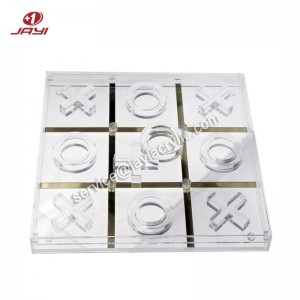
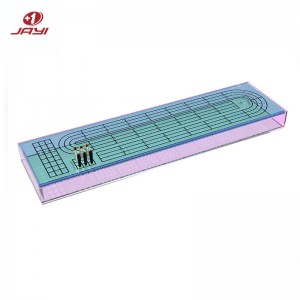
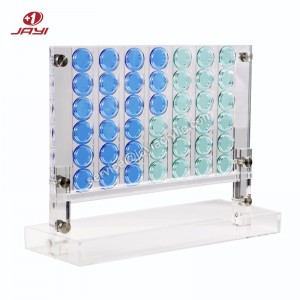
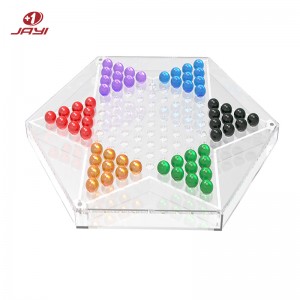
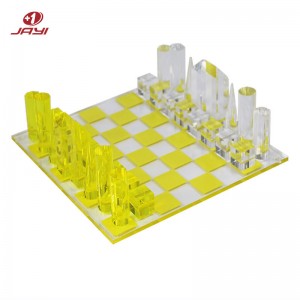
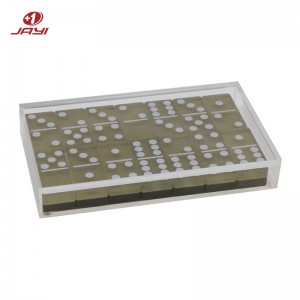
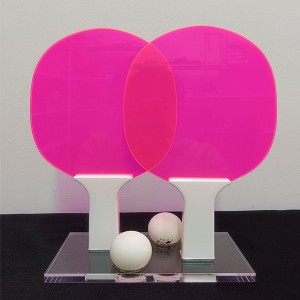
You Might Also Like Other Custom Acrylic Games
Request An Instant Quote
We have a strong and efficient team which can offer you and instant and professional quote.
Jayiacrylic has a strong and efficient business sales team that can provide you with immediate and professional acrylic game quotes. We also have a strong design team that will quickly provide you with a portrait of your needs based on your product's design, drawings, standards, test methods, and other requirements. We can offer you one or more solutions. You can choose according to your preferences.
Post time: Feb-10-2026