
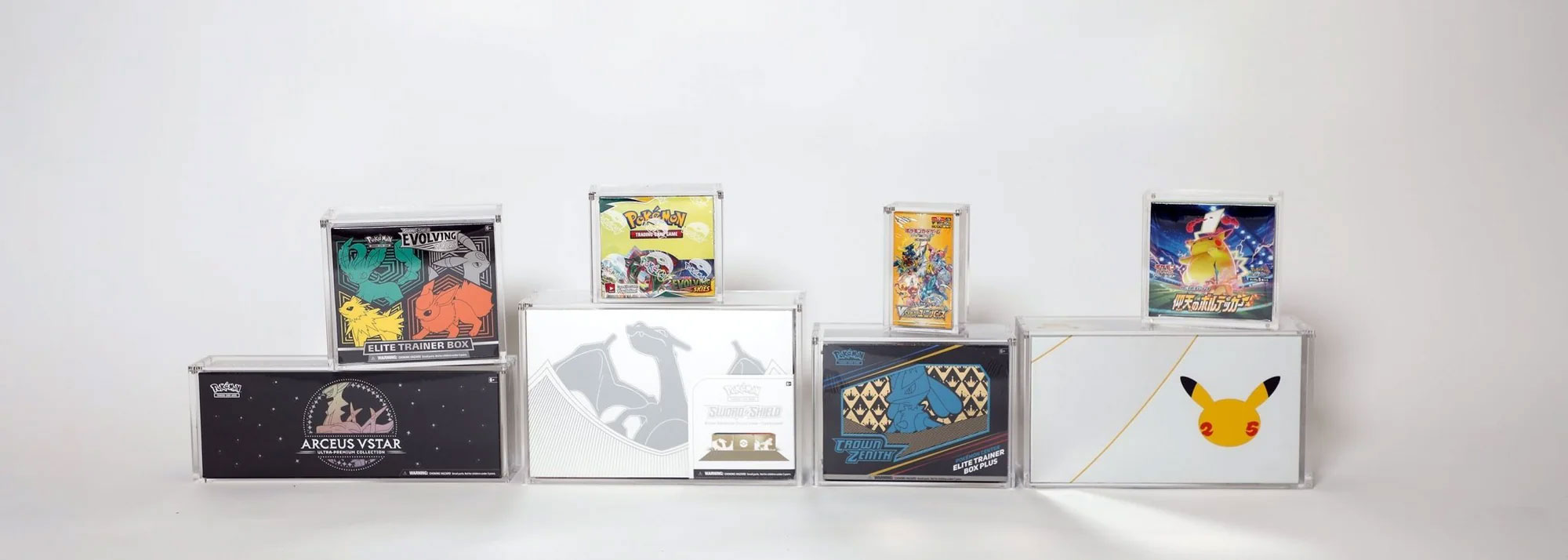
For collectors, retailers, and brand owners, acrylic cases tailored to Elite Trainer Boxes (ETBs) are more than just protective enclosures—they are a blend of precision, functionality, and presentation. The key to a high-quality custom ETB acrylic case lies in accurate sizing, as every millimeter impacts fit, durability, and user experience. This guide breaks down the step-by-step process manufacturers follow to develop acrylic cases that perfectly match ETB dimensions, ensuring optimal performance and customer satisfaction.
Why Accurate ETB Size Matters in Acrylic Case Development
ETB dimensions are the cornerstone of acrylic case development. Even minor discrepancies in size can lead to functional issues, compromised protection, and wasted resources. Manufacturers prioritize precise sizing to deliver products that meet both practical and aesthetic needs.
1. Fit and protection
An acrylic case with accurate ETB sizing provides a snug, secure fit that prevents the ETB from shifting during storage or display. This tight fit safeguards the ETB from scratches, dents, dust, and moisture—critical for preserving the box’s condition, especially for collectible ETBs that hold sentimental or monetary value. A well-fitted case acts as a barrier against external damage, ensuring the ETB remains in pristine condition for years.
2. Stackability and display quality
Consistent sizing across acrylic cases is essential for stackability. When cases are built to exact ETB dimensions, they stack evenly and securely, maximizing storage space for retailers and collectors alike. Additionally, uniform sizing enhances display aesthetics, creating a clean, professional look on shelves, whether in a retail store or a personal collection. Misaligned or ill-fitted cases disrupt this uniformity, leading to unstable stacks and an unpolished presentation.
What Information a Manufacturer Needs From the Buyer
Clear and detailed information from the buyer is critical to developing acrylic cases that align with their needs. Manufacturers rely on specific data to avoid reworks, reduce production time, and ensure the final product meets expectations.
1. Product dimensions
The most crucial information is the exact length, width, and height of the ETB, including any protruding elements (such as tabs, seals, or embossed logos) that could affect fit. Providing tolerance details (e.g., ±0.5mm) helps manufacturers refine the internal dimensions of the case, ensuring a perfect balance between snugness and ease of use.
2. Sample or drawing
Physical ETB samples or high-quality 2D/3D technical drawings allow manufacturers to verify measurements in real time. Samples help identify subtle details—such as the thickness of the ETB’s cardboard or the shape of its corners—that may not be captured in written dimensions. Drawings with precise annotations further streamline the design process, reducing the risk of misinterpretation.
3. Usage expectations
Buyers should clearly communicate the intended use of the acrylic cases. Whether the cases are for display (requiring crystal-clear visibility and a sleek design), storage (prioritizing durability and stackability), or shipping (needing extra reinforcement), this information guides decisions on acrylic thickness, closure type, and structural design.
How Structure Is Developed Around ETB Packaging
Once the ETB acrylic case manufacturer has the necessary information, they design the case structure to complement the ETB’s dimensions while meeting functional requirements. Every structural element is tailored to ensure the case is both protective and user-friendly.
1. Internal clearance
Engineers add a small, controlled amount of internal clearance (typically 0.3–0.5mm) to the case. This clearance allows for easy insertion and removal of the ETB without causing friction or damage, while still preventing unwanted movement. Too much clearance leads to a loose fit, while too little creates pressure that can scratch the ETB or crack the acrylic.
2. Acrylic thickness
Acrylic thickness is determined by the ETB’s size and the buyer’s usage expectations. Standard ETB cases use 3mm–5mm acrylic, which offers a balance of clarity and durability. For premium displays or heavy-duty storage, manufacturers use 5mm–8mm acrylic to enhance rigidity and impact resistance, ensuring the case can withstand stacking and minor impacts.
3. Magnetic lid or standard closure
Closure type is selected based on usage and aesthetic preferences. Magnetic lids provide a clean, seamless look and tool-free access, making them ideal for high-end displays. Standard slide or snap closures are cost-effective and practical for bulk storage, offering secure closure without the added expense of magnets.
What Can Go Wrong When Size Is Not Properly Confirmed
Failing to confirm ETB size accurately can lead to a range of issues that compromise the case’s functionality and quality, resulting in wasted time, money, and customer dissatisfaction.
1. Loose fit
Excess internal clearance causes the ETB to move freely inside the case. This movement leads to scuffs, creases, and even damage to the ETB’s packaging, reducing its value and appeal. A loose fit also fails to provide adequate protection against dust and moisture.
2. Stress points and cracking risk
An overly tight fit creates constant pressure on the acrylic case’s corners and edges, forming stress points. Over time, these stress points can lead to cracks or breakage, especially when the case is handled or stacked. This not only ruins the case but also puts the ETB at risk of damage.
3. Poor stacking performance
Inconsistent sizing across cases leads to unstable stacks. Misaligned cases can tip over, causing damage to both the cases and the ETBs inside. This is particularly problematic for retailers who rely on stackable displays to maximize shelf space and present products neatly.
How Sample Development Helps Before Bulk Production
Sample development is a critical step in the manufacturing process, allowing manufacturers and buyers to catch sizing and structural issues before bulk production, saving time and reducing waste.
1. Fit confirmation
Prototypes let buyers test the fit of the ETB inside the acrylic case firsthand. This includes checking how easily the ETB is inserted and removed, ensuring there is no excess movement or tightness. Any adjustments to sizing can be made at this stage, avoiding costly reworks later.
2. Structure validation
Samples also allow for validation of the case’s structure. Buyers can test the acrylic thickness, closure mechanism, and stackability to ensure the case meets their functional needs. This step confirms that the design is durable, user-friendly, and aligned with the intended use.
Conclusion: Size Accuracy Is the Foundation of OEM Fit
Developing acrylic cases based on ETB size is a precise process that hinges on accurate measurements, clear communication, and careful structural design. Size accuracy is not just a detail—it is the foundation of a high-quality OEM acrylic case that protects, displays, and preserves ETBs effectively.
Why early technical confirmation saves time later
Early technical confirmation between buyers and manufacturers eliminates misunderstandings and reduces the risk of errors. By confirming ETB dimensions, usage expectations, and design preferences upfront, manufacturers can streamline the development process, avoid reworks, and deliver bulk orders on time. This proactive approach saves both parties time and resources, ensuring a smooth production process and a final product that exceeds expectations.
China’s leading ETB Acrylic Cases Manufacturer and Supplier


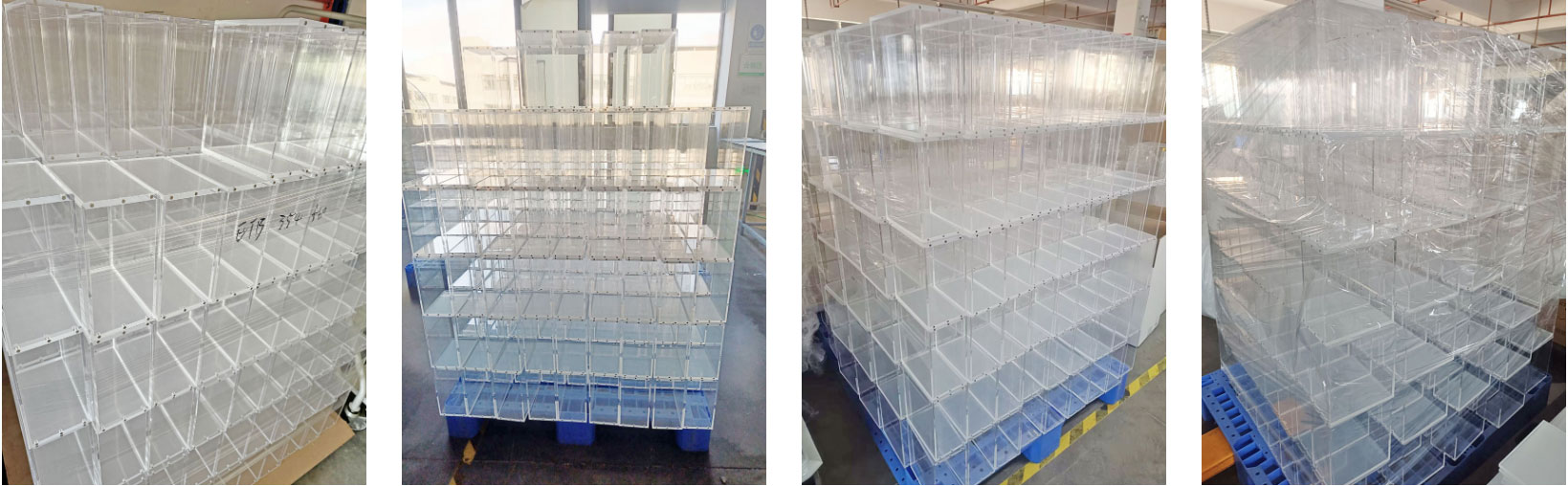
JAYI Acrylic is China’s leading ETB Acrylic Cases Manufacturer and Supplier, specializing in the design, development, and production of high-precision acrylic cases tailored to Elite Trainer Boxes.
With years of industry experience, we pride ourselves on delivering OEM solutions that combine precision sizing, premium materials, and functional design.
Our state-of-the-art production facilities and strict quality control processes ensure every acrylic case meets the highest standards of durability, clarity, and fit.
We work closely with buyers worldwide to understand their unique needs, providing personalized support from sample development to bulk production.
Whether you need display-ready cases for collectibles, stackable storage solutions for retailers, or custom designs for your brand, JAYI has the expertise and capabilities to deliver reliable, high-quality products that align with your requirements.
Ready to Develop Custom Acrylic Cases Based on Your ETB Size?
Contact JAYI today to share your ETB dimensions, usage needs, and design preferences—our team will provide a tailored solution and a detailed quote to help you bring your project to life.
Our Custom Pokemon Acrylic Case Examples:
Prismatic SPC Acrylic Case
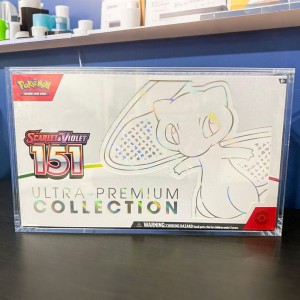
151 UPC Acrylic Case
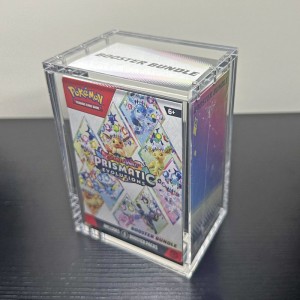
Booster Bundle Acrylic Case
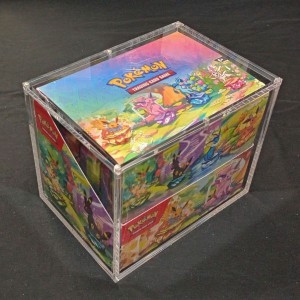
Mini Tin Acrylic Case
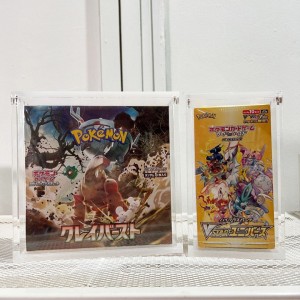
Japanese Booster Box Acrylic Case
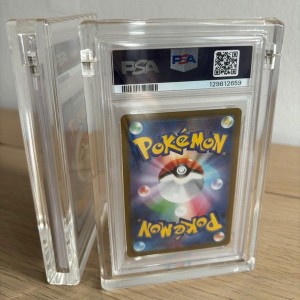
PSA Slab Acrylic Case

Center Tohoku Box Acrylic Cases
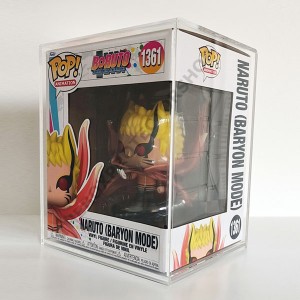
Funko Pop Acrylic Case
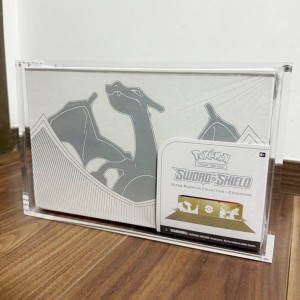
Charizard UPC Acrylic Case
Post time: Mar-17-2026