
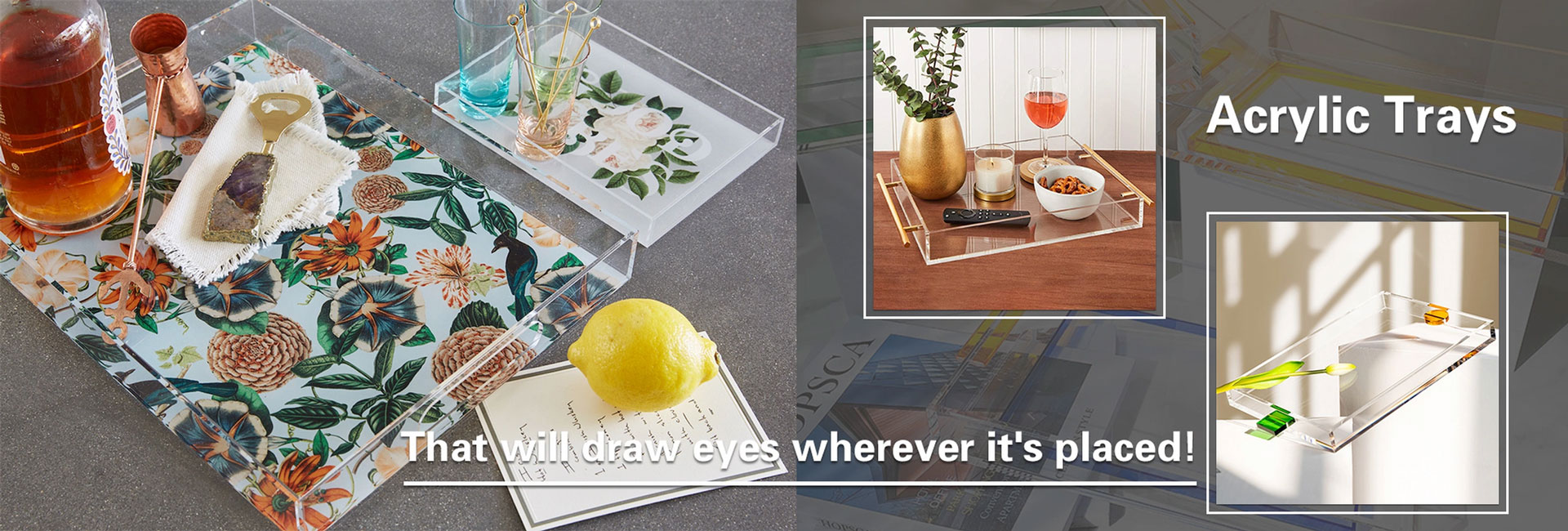
In the competitive landscape of wholesale merchandise, custom acrylic trays with inserts have emerged as a versatile and high-demand product. From retail displays to home organization, hospitality settings to corporate gifting, these trays offer endless applications—making them a lucrative opportunity for wholesalers who get their design strategy right. But with so many options on the market, how do you create custom acrylic trays with inserts that stand out, resonate with buyers, and drive consistent profits?
This comprehensive guide dives into the most effective, profit-boosting design tips for custom acrylic trays with inserts in the wholesale space. We’ll cover everything from understanding your target market and material selection to functional design elements, branding integration, and trend alignment—all while optimizing for search engines and ensuring your products meet the practical needs of B2B buyers. Whether you’re a seasoned wholesaler looking to refresh your product line or a newcomer aiming to make a splash, these insights will help you design trays that sell, retain customers, and maximize your bottom line.
1. Start with Market Research: Understand What B2B Buyers Need
Profitable design begins with knowing your audience. Wholesale buyers—whether they’re retail store owners, hospitality managers, event planners, or corporate procurement teams—don’t just purchase custom acrylic trays with inserts for their aesthetic appeal; they buy them to solve specific problems. Before you sketch a single design, invest time in researching your target market to align your products with their pain points and priorities.
Identify Key Industry Verticals
Different industries have distinct needs when it comes to acrylic trays with inserts. For example:
•Retail: Retailers need trays that showcase products (e.g., jewelry, cosmetics, small electronics) clearly, protect merchandise from dust and damage, and fit seamlessly into their store’s branding. Inserts should be removable or adjustable to accommodate different product sizes.
•Hospitality: Hotels, restaurants, and cafes require durable, easy-to-clean trays for serving food and beverages, organizing guest amenities (toiletries, towels), or displaying menu items. Heat resistance and stain resistance are critical here, as well as a sleek, modern design that complements the venue’s decor.
•Home Organization: B2B buyers catering to the home goods market (e.g., online retailers, department stores) seek trays with inserts that help consumers organize small items—think makeup brushes, desk supplies, kitchen utensils, or bathroom essentials. Versatility (e.g., stackable designs, modular inserts) and aesthetic appeal (neutral tones, minimalist shapes) are top priorities.
•Corporate Gifting: Companies looking for branded swag or client gifts need custom acrylic trays that can be personalized with logos, company colors, or custom messages. Inserts may need to hold specific items (e.g., pens, notebooks, tech accessories) securely, and the overall design should reflect the brand’s professionalism.
Analyze Competitor Offerings
Take a deep dive into what your competitors are offering. What design features are they emphasizing? Are there gaps in their product lines—for example, a lack of eco-friendly options, limited customization for specific industries, or trays that are too flimsy for heavy use? Identifying these gaps will help you create unique selling points (USPs) for your custom acrylic trays with inserts.
For instance, if most competitors offer standard clear acrylic trays, consider adding colored acrylic options or trays with frosted inserts for a premium look. If few suppliers offer customizable insert shapes, make that a core part of your design strategy. Use tools like Google Trends, Amazon Best Sellers, and industry trade shows to stay updated on emerging competitor strategies and market demands.
Gather Feedback from Existing Buyers
If you already have a customer base, reach out to them for feedback. Ask questions like: What do you love about our current acrylic trays? What improvements would you like to see? What design features would make the trays more useful for your business or your customers? This direct input is invaluable— it ensures you’re designing products that meet real-world needs, not just your own assumptions.
Ready to Turn Market Insights into Tailored Acrylic Tray Designs?
Send Us Your Inquiry Today to Discuss Custom Solutions for Your Target Industry!
2. Choose the Right Acrylic Material: Durability, Aesthetics, and Cost-Effectiveness
The quality of your acrylic material directly impacts the durability, appearance, and perceived value of your custom trays—all of which affect your profitability. Acrylic (also known as PMMA or plexiglass) comes in various grades and types, each with its own advantages and use cases. As a wholesaler, you need to balance quality with cost to ensure your trays are both appealing to buyers and profitable for your business.
Key Acrylic Material Options for Wholesale Trays

•Cast Acrylic: Cast acrylic is the premium choice for custom trays. It’s made by pouring liquid acrylic monomer into molds, resulting in a material that’s clearer, more scratch-resistant, and more durable than extruded acrylic. It also cuts and engraves cleanly, making it ideal for intricate designs and customization. While cast acrylic is more expensive, it’s worth the investment for high-end markets (e.g., luxury retail, boutique hospitality) where quality is a top priority.
•Extruded Acrylic: Extruded acrylic is made by pushing molten acrylic through a die, which makes it more cost-effective for large-scale production. It’s slightly less clear than cast acrylic and more prone to scratching, but it’s still durable enough for most everyday uses (e.g., home organization trays, basic retail displays). Extruded acrylic is a great option if you’re targeting price-sensitive buyers or need to keep your wholesale costs low.
•Colored/ Frosted Acrylic: Colored or frosted acrylic can help your trays stand out from the crowd. Frosted acrylic adds a sleek, modern touch and can hide minor scratches, while colored acrylic (e.g., white, black, pastels, metallics) allows for easy branding alignment. These options are popular in hospitality and home organization markets, where design cohesion is key.
•Eco-Friendly Acrylic: With sustainability becoming a top priority for many B2B buyers, consider offering trays made from recycled acrylic or bio-based acrylic. These materials appeal to eco-conscious retailers, hotels, and corporate clients, giving you a competitive edge in a growing market segment.
Thickness Matters: Balance Durability and Weight

The thickness of your acrylic will determine the durability of the tray. Too thin, and the tray may warp or crack under pressure; too thick, and it becomes heavy and expensive to ship (which can increase your wholesale costs and deter buyers). For most applications, a thickness of 3mm to 6mm is ideal:
•3mm: Suitable for lightweight trays (e.g., jewelry display trays, small home organization trays) that won’t be subjected to heavy use.
•4-5mm: The sweet spot for most wholesale trays. This thickness offers a good balance of durability and weight, making it ideal for retail displays, hospitality serving trays, and medium-duty home organization products.
•6mm+: Best for heavy-duty applications (e.g., trays used in high-traffic retail stores, outdoor events, or for holding heavy items like tools or kitchen appliances).
Consider Material Certifications
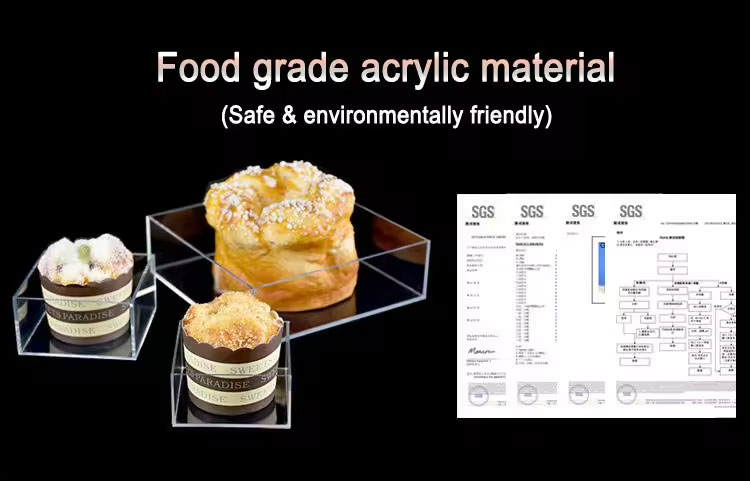
For acrylic trays used in food service (e.g., restaurant serving trays, café display trays), ensure your acrylic is FDA-approved for food contact. This certification is a must-have for hospitality buyers, as it demonstrates compliance with safety standards. Similarly, if you’re targeting the European market, look for REACH compliance to avoid regulatory issues.
3. Prioritize Functional Design: Make Trays Useful for End Users
While aesthetics are important, B2B buyers ultimately purchase custom acrylic trays with inserts because they need them to be functional. A beautiful tray that doesn’t meet the practical needs of the end user (e.g., a retail customer, hotel guest, or home organizer) will lead to returns, negative reviews, and lost repeat business. Focus on these functional design elements to create trays that sell and retain customers.
Optimize Insert Design for Versatility and Security
Inserts are the heart of custom acrylic trays—they turn a basic tray into an organized, purpose-driven product. When designing inserts, consider both versatility and security:
•Removable/Adjustable Inserts: Removable inserts allow buyers to customize the tray for different uses. For example, a retail tray with removable dividers can be used to display jewelry one day and small electronics the next. Adjustable inserts (e.g., sliding dividers) are even more flexible, as they can be resized to fit varying product sizes. This versatility makes your trays appealing to a wider range of buyers.
•Secure Fit: For trays used to hold specific items (e.g., branded pens, makeup products, or hotel amenities), ensure the inserts fit the items securely. A loose fit can cause items to shift during transport or use, which is frustrating for end-users. Consider adding soft padding (e.g., felt, foam) to the inserts for extra security and a premium feel—this is especially popular in jewelry and luxury retail trays.
•Multiple Insert Configurations: Offer trays with interchangeable insert sets to cater to different needs. For example, a home organization tray could come with inserts for makeup brushes, hair accessories, and desk supplies. This allows buyers to purchase a single tray that meets multiple end-user needs, increasing the perceived value of your product.
Focus on Ergonomics and Usability
Ergonomics plays a key role in the usability of acrylic trays. Consider how the tray will be held, carried, or placed:
•Handles: For serving trays or trays that need to be carried (e.g., hotel amenity trays, event catering trays), add handles for easy transport. Handles can be integrated into the tray’s design (e.g., cut-out handles on the sides) or attached as separate acrylic pieces. Ensure handles are large enough for comfortable gripping and strong enough to support the tray’s weight when full.
•Non-Slip Bases: A non-slip base prevents the tray from sliding on smooth surfaces (e.g., countertops, tables, retail display shelves). This is especially important for serving trays and trays used in high-traffic areas. You can add non-slip feet (e.g., rubber or silicone) to the bottom of the tray or use a textured acrylic base for added grip.
•Stackability: For home organization and retail buyers who need to store multiple trays, a stackable design is a major selling point. Design trays with a lip or indentation on the bottom that fits securely on top of another tray’s edge, preventing slipping and saving storage space. Stackable trays are also easier and cheaper to ship in bulk, which is a bonus for both you and your wholesale buyers.
Ensure Easy Cleaning and Maintenance
B2B buyers (and their end users) don’t want to spend time on high-maintenance products. Acrylic is naturally easy to clean, but your design can enhance this feature:
•Smooth Surfaces: Avoid intricate crevices or hard-to-reach areas where dust, dirt, or food particles can accumulate. Smooth, seamless surfaces are easier to wipe clean with a damp cloth.
•Removable Inserts: As mentioned earlier, removable inserts make cleaning easier—users can take out the inserts and clean them separately, ensuring a thorough clean every time.
•Stain-Resistant Coatings: For trays used in food service or high-traffic areas, consider adding a stain-resistant coating to the acrylic. This coating prevents discoloration from coffee, wine, food dyes, or other common stains, keeping the tray looking new for longer.
Enjoying the Article so far?
Feel Free to Contact Us For Any Questions!
4. Integrate Branding: Turn Trays into Marketing Tools
Customization is a key selling point for wholesale acrylic trays with inserts—and branding is a big part of that. B2B buyers want trays that reflect their brand identity, whether it’s for in-store displays, customer gifts, or internal use. By integrating branding into your design, you turn a functional product into a powerful marketing tool for your buyers—making your trays more valuable and increasing your sales potential.
Offer Customization Options for Branding
Provide a range of branding customization options to cater to different buyer needs and budgets:
•Engraving: Engraving is a premium branding option that adds a sleek, permanent touch to acrylic trays. Buyers can engrave their logo, company name, or custom message onto the tray or inserts. Engraving works best on clear, frosted, or light-colored acrylic—dark-colored acrylic can make engraving less visible.
•Screen Printing: Screen printing is ideal for full-color logos or designs. It’s cost-effective for large production runs, making it a popular choice for wholesale buyers who need branded trays in bulk. Ensure the ink is high-quality and resistant to fading, scratching, and water—this is especially important for trays used outdoors or in high-traffic areas.
•UV Printing: UV printing is a modern option that offers high precision and vibrant colors. It works on both clear and colored acrylic and can be used for intricate designs, gradients, or even photo-realistic images. UV-printed designs are durable and scratch-resistant, making them a great choice for premium branding.
•Color Matching: Offer color-matching services to help buyers align the tray’s acrylic color with their brand’s Pantone or RGB colors. This ensures a cohesive brand look, which is important for retail displays, corporate gifts, and hospitality settings.
Balance Branding with Aesthetics
While branding is important, it shouldn’t overpower the tray’s design. A tray that’s too heavily branded may limit its appeal to end users or make it difficult for buyers to use in multiple settings. Aim for a balance between branding and aesthetics—for example, a small engraved logo on the corner of the tray, or a subtle screen-printed design on the inserts. This way, the tray is still functional and visually appealing, while still promoting the buyer’s brand.
Consider White-Label and Private-Label Options
In addition to custom-branded trays, offer white-label and private-label options for buyers who want to sell the trays under their own brand name. White-label trays are unbranded, allowing buyers to add their own branding before selling them. Private-label trays are manufactured exclusively for a buyer, with their brand name and design specifications. These options are popular with retail buyers and home goods companies who want to build their own product lines without investing in manufacturing facilities.
Need Help with Branding Integration or Private-Label Customization?
Send Us an Inquiry Now to Get a Personalized Quote!
5. Align with Trends: Design Trays That Feel Current
Trends play a big role in consumer purchasing decisions, and B2B buyers are always on the lookout for products that reflect the latest styles. By aligning your custom acrylic tray designs with current trends, you can make your products more appealing to buyers and increase your sales. Here are some of the top trends shaping the acrylic tray market in 2025 and beyond:
Minimalism and Clean Lines
Minimalism continues to dominate interior design, retail, and hospitality. Buyers are looking for trays with clean lines, simple shapes, and neutral colors (e.g., clear, white, black, beige). Avoid overly ornate designs or bright, clashing colors—instead, focus on sleek, understated aesthetics that can fit into any space. Minimalist trays are also versatile, making them appealing to a wide range of buyers.
Boho and Natural Elements
Boho-chic and natural aesthetics are growing in popularity, especially in the home organization and hospitality markets. Incorporate natural elements into your acrylic tray designs—for example, frosted acrylic that mimics the look of sandblasted wood, or inserts made from sustainable materials like bamboo or cork. Soft, earthy tones (e.g., terracotta, sage green, warm brown) are also on-trend and can help your trays stand out from standard clear acrylic options.
Multifunctionality
Consumers are increasingly looking for products that serve multiple purposes, and B2B buyers are responding to this demand. Design trays that can be used in multiple ways—for example, a tray that doubles as a serving tray and a storage tray, or a tray with inserts that can be rearranged for different uses. Multifunctional trays offer more value to end users, making them more attractive to wholesale buyers.
6. Optimize for Production and Shipping: Keep Costs Low, Profits High
As a wholesaler, your profitability depends on keeping production and shipping costs low while maintaining product quality. Your design choices can have a big impact on these costs—so it’s important to optimize your trays for efficient production and shipping.
Simplify Production Processes
Complex designs with intricate cuts, shapes, or assembly requirements will increase production time and costs. Simplify your designs where possible to streamline manufacturing:
•Use Standard Shapes: Rectangular, square, and circular trays are easier and cheaper to cut than irregular shapes. If you do offer custom shapes, limit them to high-volume orders to offset the production costs.
•Minimize Assembly: Design trays that can be manufactured in one or two pieces, rather than requiring multiple parts to be assembled. For example, a tray with integrated sides (instead of separate side pieces) will reduce assembly time and costs.
•Choose Compatible Customization Methods: Ensure the customization methods you offer (e.g., engraving, screen printing) are compatible with your production process. For example, screen printing is more efficient for large runs, while engraving is better for small batches.
Design for Efficient Shipping
Shipping costs are a major expense for wholesalers—especially for bulky or fragile items like acrylic trays. Design your trays to be shipping-friendly:
•Stackability: As mentioned earlier, stackable trays take up less space during shipping, reducing the number of boxes needed and lowering shipping costs. Ensure your stackable design is stable and doesn’t damage the trays during transit.
•Lightweight Materials: Use the thinnest acrylic thickness possible while maintaining durability (see Section 2.2). A lighter tray will cost less to ship, especially for international orders.
•Fragility Protection: Design trays with rounded edges (instead of sharp corners) to reduce the risk of damage during shipping. Rounded edges are also safer for end users, which is a bonus. For fragile inserts (e.g., frosted acrylic), include slots or grooves in the tray to hold them securely during transit.
7. Test and Refine Your Designs: Ensure Market Fit
Before launching a new line of custom acrylic trays with inserts, it’s crucial to test your designs with real B2B buyers. Testing helps you identify any flaws in the design, gather feedback on what works (and what doesn’t), and refine your products to ensure they meet market demand.
Create Prototype Samples
Produce a small batch of prototype trays using your chosen materials and designs. These prototypes should be as close to the final product as possible—including customization options, inserts, and branding. Send these prototypes to a select group of existing or potential buyers and ask for their feedback.
Conduct Focus Groups or Surveys
Organize focus groups with B2B buyers to discuss your prototype trays. Ask questions like: Would you purchase this tray for your business? What price point would you be willing to pay? Are there any design features you’d change or add? You can also send out surveys to a larger group of buyers to gather quantitative feedback on design preferences, pricing, and customization needs.
Refine Based on Feedback
Use the feedback you gather to refine your designs. For example, if buyers complain that the tray’s handles are too small, adjust the handle size. If they request more insert configurations, add those to your product line. Refining your designs based on real buyer feedback ensures that your final product is more likely to sell and generate profits.
Conclusion: Design for Profit, Not Just Aesthetics
Custom acrylic trays with inserts offer a lucrative opportunity for wholesalers—but only if your designs are tailored to the needs of B2B buyers and end users. By starting with market research, choosing the right materials, prioritizing functionality, integrating branding, aligning with trends, optimizing for production and shipping, and testing your designs, you can create trays that stand out in the market, drive sales, and boost your profits.
Remember, profitable design isn’t just about making a beautiful tray—it’s about making a tray that solves problems, adds value, and meets the practical needs of your buyers. By following the tips in this guide, you’ll be well on your way to building a successful wholesale business selling custom acrylic trays with inserts.
Ready to Launch Your High-Profit Custom Acrylic Tray Line?
Send Us Your Inquiry Today, And Our Team Will Support You from Design to Bulk Production!
You Might Also Like Other Acrylic Trays
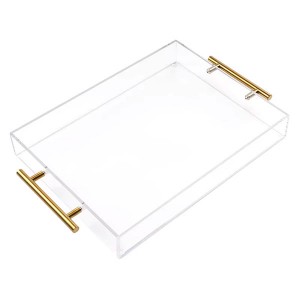
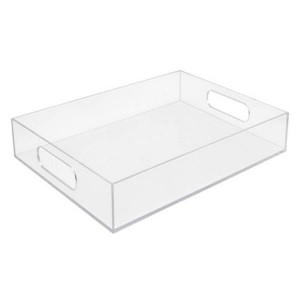
Jayi Acrylic: Your Trusted Partner for Premium Acrylic Trays
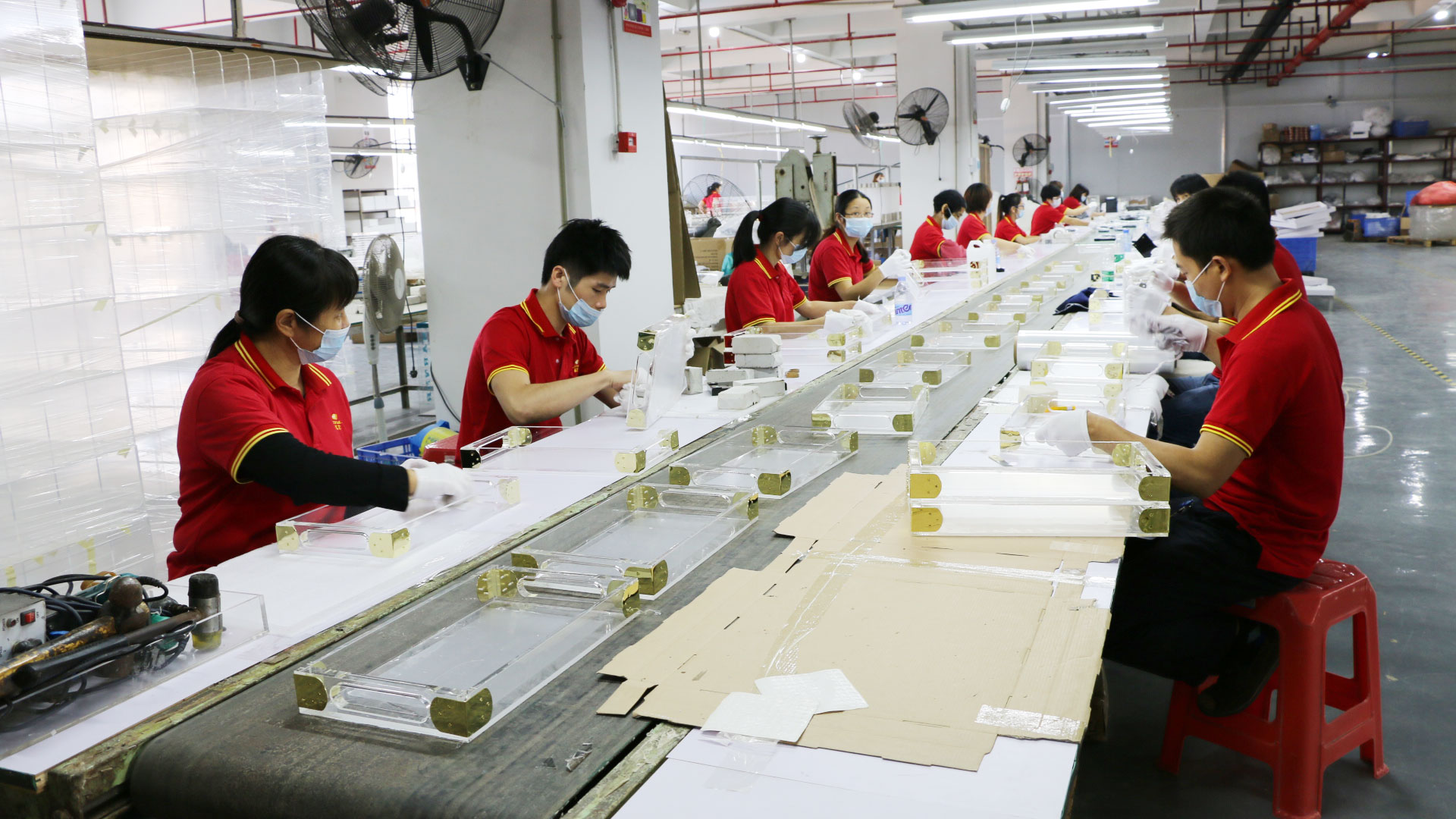
Jayi Acrylic is a high-quality custom acrylic product manufacturer in China. Established in 2004, stands as a leading supplier specializing in high-quality acrylic trays, boasting over two decades of industry expertise.
Our meticulously crafted acrylic tray solutions are engineered not just to hold items but to elevate their presentation, capturing customers’ attention at first glance and enhancing product allure.
Backed by ISO9001 and SEDEX certifications, we adhere to stringent quality standards and ethical manufacturing protocols, ensuring every tray that leaves our factory meets global benchmarks of excellence.
Having collaborated with renowned international brands, we deeply understand the pivotal role of functional, visually appealing acrylic trays in boosting product visibility and driving user satisfaction.
Whether for retail display, home organization, or commercial use, Jayi Acrylic delivers customized, durable tray solutions that blend aesthetics with practicality.
Post time: Dec-25-2025