
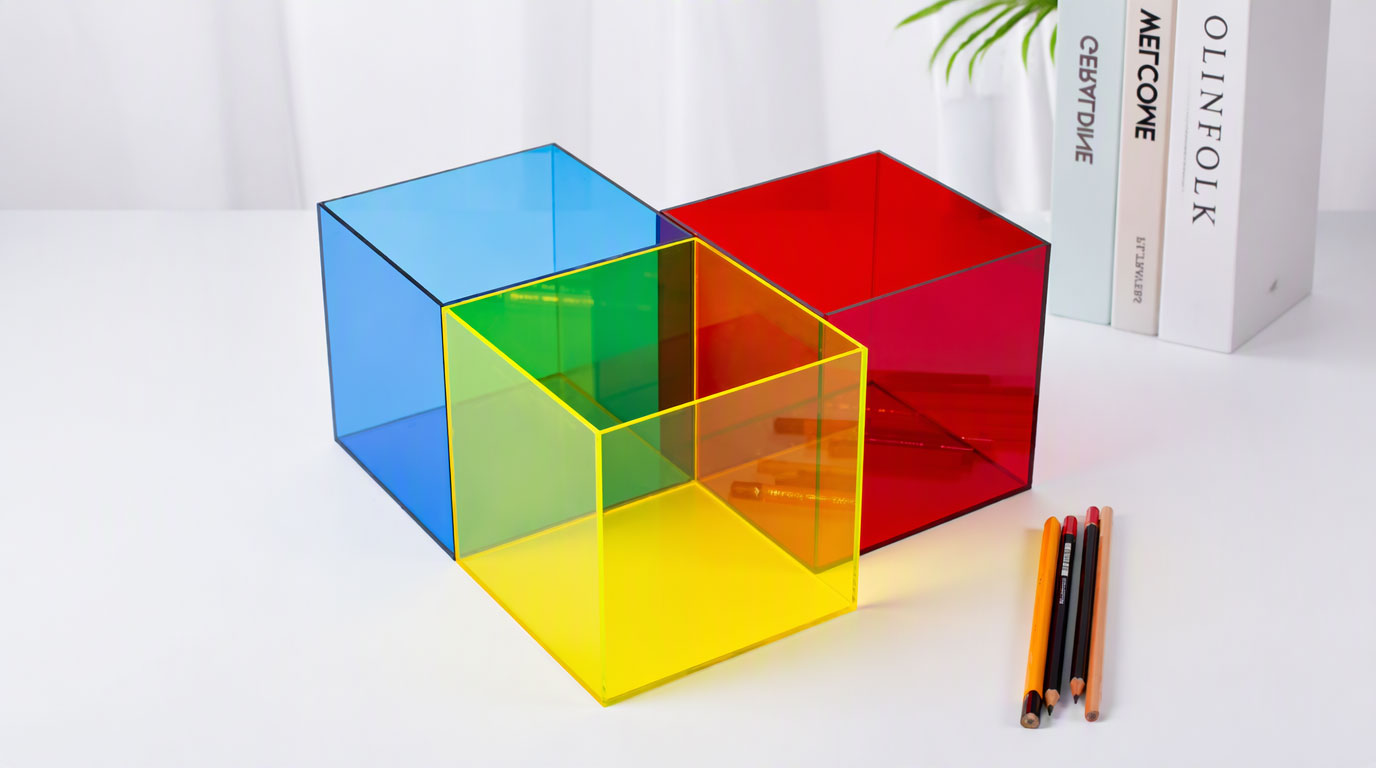
Choosing the right material for a luxury storage box is harder than it looks. Acrylic, glass, and plastic all look similar at a glance, but they feel very different in your hand — and they behave very differently on a shelf, during shipping, and after years of use. If you sell collectibles, jewelry, cosmetics, or limited-edition items, the material you choose shapes both the look and the longevity of your product.
Here is the short version before we dig into details:
• Acrylic gives the clearest, most premium look at a moderate cost and is far lighter than glass.
• Glass looks timeless but breaks easily and is heavy to ship.
• Plastic is cheap but usually looks and feels basic, not luxury.
Whether you are a collector protecting a prized sneaker or a brand owner preparing a gift box line, the same question applies: which material protects the item and still looks worth the price? This guide walks through clarity, weight, durability, cost, and customization for each material, so you can match the box to the product you sell — or request a custom storage box built around your own design.
What Makes a Storage Box Actually Feel "Luxury"
Before you pick a material, it helps to know what buyers really notice. A box feels premium when it gets a few things right at once:
• Clear, high-quality optics — the item inside looks sharp and true, not cloudy or wavy.
• A solid, precise build — straight edges, tight joints, no rough or uneven seams.
• Good weight in hand — it does not feel feather-light and flimsy.
• A surface that stays clean — no easy scratches, smudges, or fingerprints.
Most shoppers assume only glass can deliver that high-end feel. In reality, good-quality acrylic hits the same visual standard at a fraction of the weight. That is exactly why the acrylic storage box has become the default choice for modern luxury display and retail.
A useful way to test a material is to hold a finished box at arm's length and look through it. If the surface reads clear and solid at a glance, the box can carry a luxury price tag. If it looks cloudy or flimsy, no amount of branding will fix that first impression.
Acrylic Storage Boxes — the Premium, Practical Winner
Acrylic is a clear, plastic-like material, but calling it "plastic" undersells it. Cast acrylic is a premium engineering material that mirrors glass clarity without glass fragility. For a luxury storage box, it delivers most of what makes glass desirable — then adds a few things glass simply cannot do.
Here is why so many buyers pick acrylic:
• Crystal-clear view. Optically clear acrylic shows your product at up to 92% light transmission, close to glass but without the greenish tint many glass panels have.
• Much lighter. An acrylic storage box is roughly half the weight of glass, which cuts shipping costs and reduces transit damage.
• Shatter-resistant. Acrylic is about 17x more impact-resistant than glass. A drop rarely breaks it, which matters in retail and mail-order.
• Easy to customize. Acrylic can be laser-cut, edge-polished, UV-printed, and built to almost any size you can design.
The one thing to watch is scratching. Acrylic scratches more easily than glass if you use harsh cleaners. But a soft microfiber cloth and mild soapy water keep it flawless for years.
On cost, acrylic sits above everyday plastic but below most specialty glass. That sweet spot makes it practical for brands that want a premium unboxing feel without paying for heavy, fragile packaging. For a mid-size launch, the total savings on freight and breakage often outweigh the material cost difference.
Best uses for an acrylic storage box: sneaker and collectible display cases, jewelry and watch boxes, cosmetics organizers, sports memorabilia, and premium board game storage. This is also where custom storage box work really shines — brands add their logo, engraved textures, fitted interiors, and brand colors. Retailers and online sellers both choose it because one material handles the shop shelf and the courier van with equal ease.
How Custom Acrylic Storage Boxes Are Made
If you are a brand, this is where the magic happens. A good acrylic factory handles the full process in-house:
• Laser cutting — clean, precise panels cut to your dimensions.
• Edge polishing — flame or diamond polishing gives that crisp, glass-like edge.
• UV printing — full-color logos and artwork printed directly on the surface.
• Assembly and packaging — solvent bonding, corner protection, and shipping-ready packing.
Ask your supplier about thickness options, from thin protective sleeves to chunky 5mm or 8mm display panels. Thicker acrylic costs a little more but feels noticeably heavier and more upscale in hand, which matters when the box itself is part of the product. That level of control is hard to match with glass or standard plastic, which is one more reason acrylic wins for custom projects.
Glass Storage Boxes — Timeless, but Harder to Own
Glass has a long, elegant history in display and storage. Museum-quality cases are almost always glass, and nothing else quite matches that heavy, precious feel in your hands.
What glass does well:
• Ultimate scratch resistance on the surface.
• A heavy, expensive weight that signals quality immediately.
• A timeless aesthetic that never goes out of style.
Why glass is harder to use in practice:
• Heavy — shipping costs climb, and fragile goods need thick protective packaging.
• Breaks easily — a dropped glass storage box is usually a total write-off.
• Hard to customize — cutting, drilling, and printing on glass is more expensive and riskier.
• A safety concern — broken glass near kids or valuable items is a real hazard.
If glass breaks in transit, you lose both the box and the product inside it. That double loss is why most e-commerce brands avoid glass for shipped goods, even when they admire the look. Retail display in a store, where the case rarely moves, is where glass keeps its appeal.
Glass still suits a luxury storage box when weight and prestige matter most — like a fixed watch or jewelry presentation case in a store. For gift sets that stay in a retail case and rarely move, the classic feel is worth the extra care. For anything that travels, most brands switch to acrylic instead.
Plastic Storage Boxes — Cheap, but Hardly "Luxury"
When we say "plastic" here, we mean everyday polymer boxes made from PET, PVC, or PP — the clear bins and cases you see in discount stores. These have their place, but that place is rarely luxury.
Plastic pros:
• Lowest cost per box.
• Light and easy to ship.
• Wide availability in standard sizes.
Plastic cons for luxury use:
• Lower clarity — thin plastic looks cloudy or wavy next to glass or acrylic.
• Feels flimsy in hand — buyers pick it up and immediately sense low quality.
• Scratches and yellows faster with age, especially in sunlight.
• Limited customization for a high-end finish.
Plastic also gives you fewer finish options. You rarely get crisp polished edges, deep engraving, or a true crystal-clear surface. For a one-off low-cost order, that is fine. For a brand that wants repeat purchases and referrals, the savings rarely justify the downgrade in perceived quality.
A basic plastic storage box can hold items just fine, but it will not help you sell a premium story. If your box sits next to competitors on a shelf, plastic often reads as "budget" the moment it is picked up.
Acrylic vs. Glass vs. Plastic — Quick Comparison Table
|
Feature
|
Acrylic
|
Glass
|
Plastic
|
|---|---|---|---|
|
Clarity
|
High, near-glass
|
Highest
|
Low, cloudy
|
|
Weight
|
Light
|
Heavy
|
Lightest
|
|
Shatter resistance
|
High
|
Low
|
Medium
|
|
Scratch resistance
|
Medium
|
High
|
Low
|
|
Customization
|
Excellent
|
Poor
|
Limited
|
|
Premium look
|
High
|
High
|
Low
|
|
Shipping cost
|
Low
|
High
|
Low
|
|
Price range
|
Mid
|
High
|
Low
|
|
Best for
|
Display + retail
|
Fixed display
|
Budget storage
|
How to Pick the Right Storage Box for Your Product
Think about how the box will actually be used, then ask a few simple questions:
• Will it be shipped? — Acrylic survives transit far better than glass.
• Will it be handled often? — Lightweight acrylic is easier for customers to move and carry.
• Do you need branding? — Acrylic takes UV printing and engraving cleanly; glass and plastic do not.
• What is your budget per box? — Plastic is cheapest, but it can cheapen your whole brand.
Before you commit, ask for a physical sample. Hold it, open it, and photograph it the way your customers will. A sample costs little but reveals finish, clarity, and feel better than any spec sheet, and it becomes your reference for quality checks on the final order.
Most retail brands settle on acrylic because it gives a luxury storage box feel at a workable cost, while staying safe to ship and easy to customize. If you plan to scale production, working with a factory that offers custom storage box manufacturing lets you control thickness, color, finish, and printed branding from the very start. For larger orders, also ask about tiered pricing and lead time as quantities grow.
A Quick Decision Guide
• Choose acrylic when clarity, safety, and branding all matter.
• Choose glass for a heavy, museum-like fixed display.
• Choose plastic only for low-cost, temporary, or bulk packaging.
Caring for Acrylic, Glass, and Plastic Storage Boxes
A good box should last for years, and simple care keeps it looking new:
• For acrylic: dust with a dry microfiber cloth, clean with mild soapy water, and never use alcohol or abrasive cleaners.
• For glass: use a glass cleaner and a soft cloth, and handle it by the base rather than the lid.
• For plastic: avoid heat and direct sunlight, which cause warping and yellowing over time.
Skip paper towels and rough sponges — they leave micro-scratches on acrylic and plastic. A gentle routine keeps a premium box looking freshly made.
For storage, keep the box away from direct sunlight and high heat. A cool, dry shelf preserves the clarity of acrylic and plastic, and a soft dust cover keeps both scratch-free between uses. The main difference is how gentle you must be: plastic needs care with heat, glass needs care with impact, and acrylic needs care with cleaning tools.
FAQ

What is the minimum order for a custom acrylic storage box?
It depends on size and finish. Many acrylic factories start custom runs at around 100–300 pieces, and higher quantities bring the per-unit price down. Always confirm the MOQ before you finalize your design.
Can acrylic storage boxes pass SGS, RoHS, or REACH compliance?
Yes. Quality acrylic used in consumer packaging is tested against safety and chemical standards. If you sell into Europe or North America, ask your supplier for test reports upfront — it protects you from customs delays and retailer rejections.
How do you control quality across a big order?
Good suppliers offer pre-production samples, in-line inspection, and a final QC before shipping. Agree on the defect tolerance and who covers replacements before the order even starts.
Can you add my logo or branding?
Yes. Acrylic supports UV printing, laser engraving, and painted or foil finishes. Share your artwork and ask for a printed proof sample before full production begins.
How long does a custom order take?
A typical lead time for a custom storage box is about 15–30 days after sample approval, depending on quantity and finishing steps. Confirm this before you lock in a retail launch date.
What if a batch arrives with defects?
A reliable manufacturer will replace faulty units. Check their warranty and return terms in writing, and keep a sample as your reference standard so any dispute is easy to resolve.
Final Verdict — Which Material Wins for a Luxury Storage Box?
If you are still on the fence, here is the honest summary:
• Acrylic balances clear optics, durability, lightweight, and customization — the strongest all-round choice for a luxury storage box.
• Glass gives you prestige, but weight, breakage, and cost make it impractical for most retail and shipping scenarios.
• Plastic is cheap but sends a "budget" signal that can hurt a premium brand.
For brands that sell collectibles, jewelry, cosmetics, or games, acrylic is the material we recommend most often. It protects the product, travels well, and still looks high-end on the shelf, which is a rare combination in one material. And when you need a custom storage box built to your exact size, finish, and branding, it pays to work with a factory that has the equipment and experience to get it right.

At JAYI Acrylic, we have manufactured custom acrylic boxes and custom acrylic display cases since 2004. We support OEM and ODM projects with laser cutting, edge polishing, UV printing, and strict SGS-compliant quality control. If you need a luxury storage box that protects your products and elevates your brand, send us your design — we will help you bring it to production.

Cathy Qin works at Jayi Acrylic Industry Limited, focusing on custom acrylic product management and SEO-driven content marketing for B2B wholesale and retail applications. Her work includes designing display solutions, managing customization projects, and optimizing website content to promote Jayi’s high-quality acrylic products across global digital channels.
Post time: Oct-21-2026