
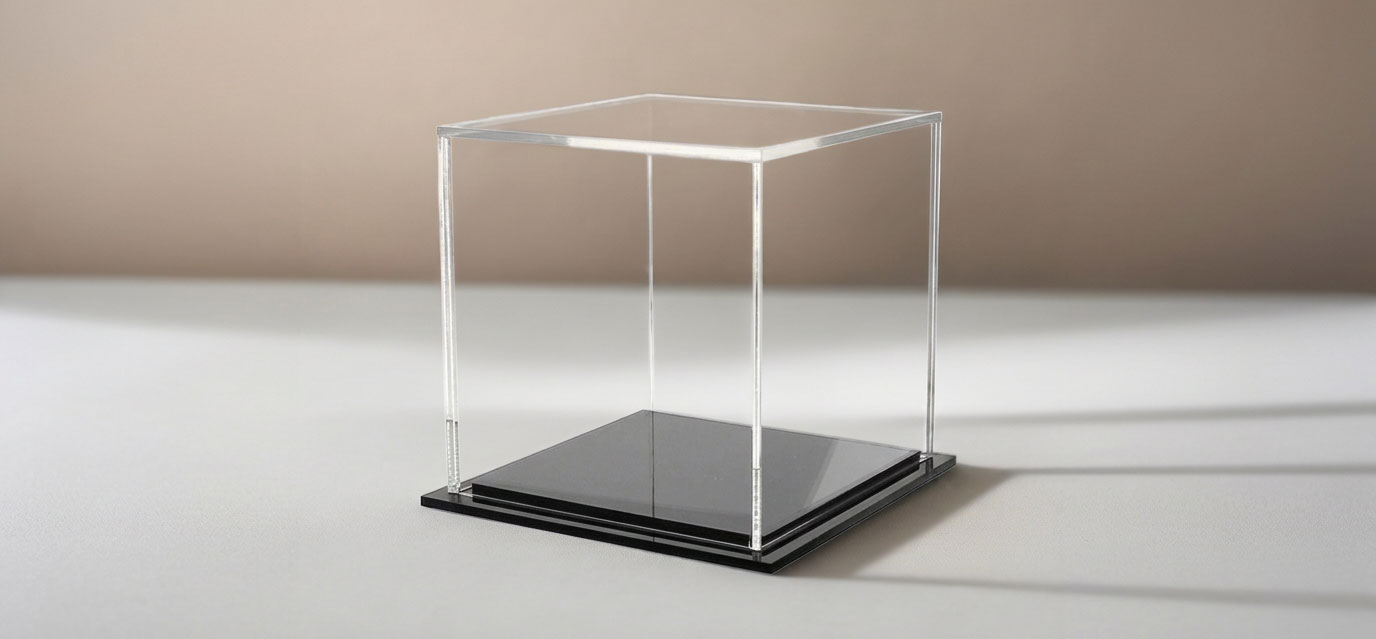
Picking the right acrylic sheet thickness is one of the most overlooked yet critical steps for quality custom acrylic display cases.
Many buyers prioritize size and design but skip thickness planning, ending up with wobbly, bendable, or overpriced displays. Too thin, and your case deforms easily and fails to protect exhibits; too thick, and you waste budget and ruin the lightweight transparent aesthetic.
This practical guide breaks down standard acrylic sizes, scenario-based thickness rules, common errors, and professional tips to help you make cost-effective, durable choices for acrylic display case customization.
Key Takeaways:
• Match acrylic thickness strictly to display size, item weight, and usage scene
• 3mm acrylic is the most versatile option for daily retail and collection displays
• Over-thin or over-thick materials cause stability issues and unnecessary costs
• Outdoor and high-traffic scenarios require thicker, high-rigidity acrylic sheets
1. Basic Knowledge: Standard Acrylic Sheet Thickness Specifications
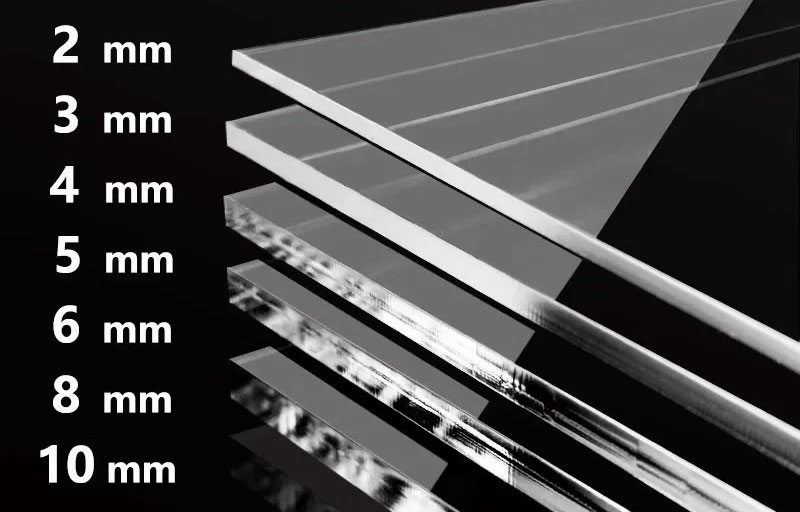
Common Commercial Acrylic Thickness Range (1mm–10mm)
Commercial acrylic sheets for display cases mainly range from 1mm to 10mm, covering all daily customization needs.
Each thickness has fixed application boundaries and cannot be mixed arbitrarily.
1mm to 2mm sheets are ultra-thin and lightweight for small dust covers.
3mm to 6mm are mainstream versatile sizes for most retail and collection displays.
8mm to 10mm are heavy-duty materials for large and high-load scenarios.
Physical Characteristics of Different Thickness Acrylic
1mm–2mm: Super lightweight, flexible, low hardness, only for static small displays
3mm–4mm: Balanced hardness and weight, good transparency, resistant to slight shaking
5mm–6mm: High rigidity, not easy to deform, premium texture, strong pressure resistance
8mm–10mm: Ultra-stable structure, heavy load-bearing, anti-collision, suitable for public scenes
Cast vs Extruded Acrylic in Thickness Application
Cast acrylic has more uniform thickness and better light transmittance, ideal for high-end custom acrylic display cases above 3mm. Extruded acrylic has a slight thickness tolerance and lower cost, suitable for low-budget small displays below 3mm. For precise customization with strict flatness requirements, cast acrylic is always the priority to avoid assembly gaps caused by thickness errors.
2. Key Factors to Determine Custom Acrylic Display Case Thickness
Display Object Weight & Size
Heavier and larger display items need thicker acrylic panels for support. Small, lightweight items like jewelry and mini figures will not bend thin acrylic panels. But large crafts or electronic products require thicker bottom plates and side panels to avoid structural collapse. The longer the single panel span, the higher the thickness specification you need.
Usage Scenario
Indoor static displays have low thickness requirements, while outdoor and high-traffic scenes demand higher durability. Retail stores, exhibition halls, and public areas face frequent contact and collision risks, so thicker acrylic is necessary. Household collection displays only need basic dustproof and anti-scratch performance, which can be met with conventional thickness.
Structural Design of the Display Case
Closed, fully enclosed cases have higher overall stability and can use relatively thin materials. Open cases or cases with movable doors lack structural reinforcement and need thicker panels to maintain shape. Large-span hollow display structures must increase thickness to prevent middle bending and sagging during long-term placement.
Safety & Durability Requirements
Long-term fixed displays prioritize deformation resistance and aging resistance, requiring medium- and high-thickness acrylic. Displays that need frequent disassembly, transportation, and movement must use thick anti-fall materials to avoid cracking during handling. High-value exhibits need ultra-stable thick panels to eliminate safety hazards.
Budget & Cost Control
Thicker acrylic means higher material and processing costs. For mass-customized low-end display cases, 2mm–3mm thickness can control costs while meeting basic use requirements. For high-end brand displays and museum exhibits, 5mm–8mm thickness is worth the investment to improve product grade and display texture.
3. Recommended Acrylic Thickness for Different Application Scenarios
The following table summarizes the most practical acrylic sheet thickness standards for mainstream customization scenarios, covering small household collections to large commercial displays, helping you quickly confirm specifications during acrylic display case customization.
|
Display Scenario
|
Recommended Thickness
|
Core Advantages & Notes
|
|---|---|---|
|
Small figurines, jewelry, mini cosmetics
|
1.5mm–2mm
|
Lightweight, high transparency, cost-effective, only for indoor static placement
|
|
Medium toys, crafts, small electronics
|
3mm
|
Most versatile size, balanced stability and aesthetics, suitable for most daily displays
|
|
Luxury goods, retail window, museum exhibits
|
4mm–6mm
|
Premium solid texture, strong deformation resistance, improved display grade
|
|
Exhibition halls, public high-traffic areas, large displays
|
8mm–10mm
|
Anti-collision, load-bearing, ultra-stable, adapts to frequent use and mobile placement
|
4. Common Thickness Selection Mistakes & How to Avoid Them
Overusing Ultra-Thin Acrylic for Large-Sized Display Cases
Many buyers choose 1.5mm–2mm thin acrylic for large custom acrylic display cases to save costs. This leads to obvious panel bending and overall shaking after assembly. The display case cannot stand upright stably and is prone to deformation after long-term placement. Always upgrade to 3mm+ thickness for panels over 200mm in span.
Blindly Choosing Over-Thick Acrylic
Some merchants think thicker materials equal better quality, but excessive thickness brings many drawbacks. Ultra-thick acrylic reduces light transmittance, makes the display look bulky, and increases material and transportation costs. For small indoor dustproof displays, 3mm thickness is completely sufficient, and thicker materials will not bring obvious quality improvement.
Ignoring Thickness Tolerance of Custom Acrylic Sheets
During acrylic display case customization, low-quality acrylic sheets have a large thickness tolerance, resulting in uneven assembly gaps. This affects bonding firmness and overall flatness. When customizing, confirm with the supplier that the sheet tolerance is controlled within ±0.1mm to ensure precise assembly and a stable structure of the display case.
5. Frequently Asked Questions

Is 3mm acrylic the most versatile thickness for custom display cases?
Yes. 3mm acrylic sheet thickness is the most universal specification for most scenarios. It balances lightweight design, structural stability, and cost control perfectly. It works well for medium-sized toy displays, retail commodity displays, and daily collection displays. It is the preferred conventional thickness for bulk custom acrylic display cases.
Will thicker acrylic definitely provide better transparency and display effect?
No. Transparency mainly depends on acrylic purity and the production process, not thickness. High-quality 3mm cast acrylic has higher light transmittance than inferior 6mm extruded acrylic. Excessively thick materials will slightly weaken light transmission and make the display look heavy, ruining the delicate transparent visual effect.
What thickness of acrylic is suitable for outdoor waterproof and dustproof display cases?
Outdoor scenarios require at least 4mm–6mm acrylic. Outdoor environments face wind, dust, temperature changes, and accidental collisions. Thin acrylic is easy to deform and crack. Medium-thick acrylic has better weather resistance and structural stability. When matched with a fully enclosed sealing design, it can achieve long-term waterproof and dustproof effects.
How much extra cost will be increased if I upgrade from 3mm to 5mm acrylic?
The cost increases by about 30%–50% depending on sheet quality and customization quantity. Thicker acrylic consumes more raw materials and requires higher standards for laser cutting and bonding processes. For mass orders, the unit cost increase will be lower. You can consult professional manufacturers to match cost-effective thickness solutions according to your budget.
Can thin acrylic (1.5mm/2mm) be used for freestanding large display boxes?
Absolutely not. 1.5mm and 2mm thin acrylic only applies to small-size embedded or placed dust covers. Large freestanding display boxes need to bear their own weight and external touch pressure. Thin panels will bend and shake seriously, unable to maintain a stable three-dimensional structure, and pose great hidden dangers of damage.
Does acrylic thickness affect the cutting and bonding quality of custom display cases?
Yes, it has an obvious impact. Too-thin acrylic is easy to deform during cutting, resulting in uneven incisions. Too-thick acrylic requires high-power cutting equipment; otherwise, it will produce burrs. In terms of bonding, conventional 3mm–6mm acrylic has the best glue infiltration effect, with firmer bonding and no gaps, ensuring the finished product quality of acrylic display case customization.
Final Summary & Customization Tips
Quick Selection Checklist for Acrylic Display Case Thickness
• Small, lightweight indoor displays: choose 1.5mm–2mm acrylic
• Daily retail and collection mainstream displays: choose 3mm universal thickness
• High-end and medium-large displays: choose 4mm–6mm high-rigidity acrylic
Outdoor and high-traffic public displays: choose 8mm–10mm heavy-duty acrylic
Professional Customization Suggestions for Different Buyer Needs
Choosing the right acrylic sheet thickness is the first step to making high-quality custom acrylic display cases. Choosing the right thickness can greatly reduce after-sales issues like warping and damage while optimizing cost. For buyers seeking stable quality, cost efficiency, and professional customization results, choosing a reliable manufacturer is equally important.
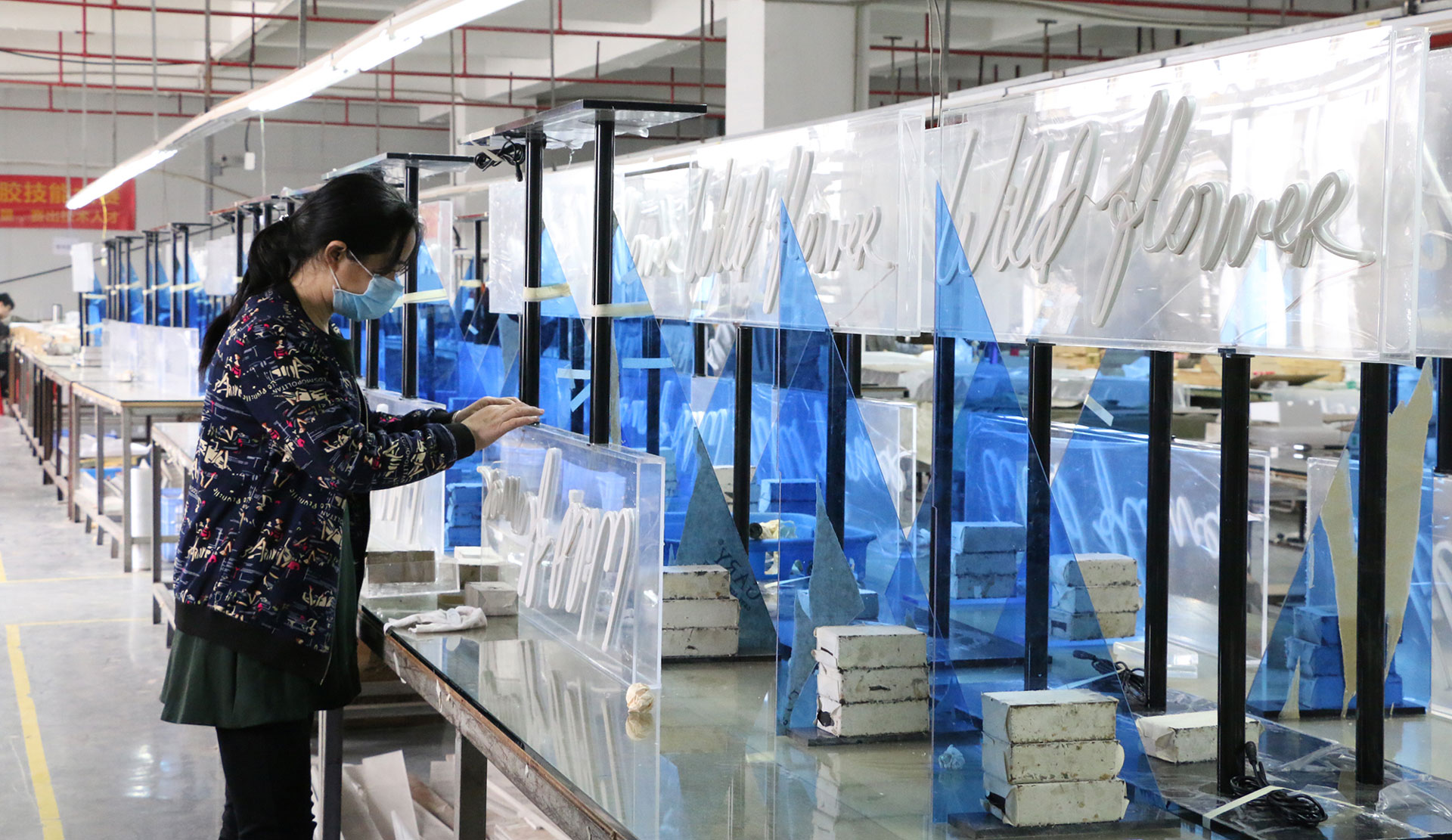
JAYI Acrylic is a professional acrylic factory focusing on one-stop acrylic display case customization services. With 20+ years of production experience, we provide precise thickness matching solutions according to your display scenarios, product sizes, and budget needs.
We adopt high-purity cast acrylic sheets with strict thickness tolerance control, fine laser cutting, and seamless bonding technology. Whether you need small-batch personalized customization or large-scale wholesale orders, JAYI Acrylic can deliver high-transparency, deformation-resistant, durable custom display cases, helping your products show a more professional and premium display effect.

Cathy Qin works at Jayi Acrylic Industry Limited, focusing on custom acrylic product management and SEO-driven content marketing for B2B wholesale and retail applications. Her work includes designing display solutions, managing customization projects, and optimizing website content to promote Jayi’s high-quality acrylic products across global digital channels.
Post time: Sep-09-2026