
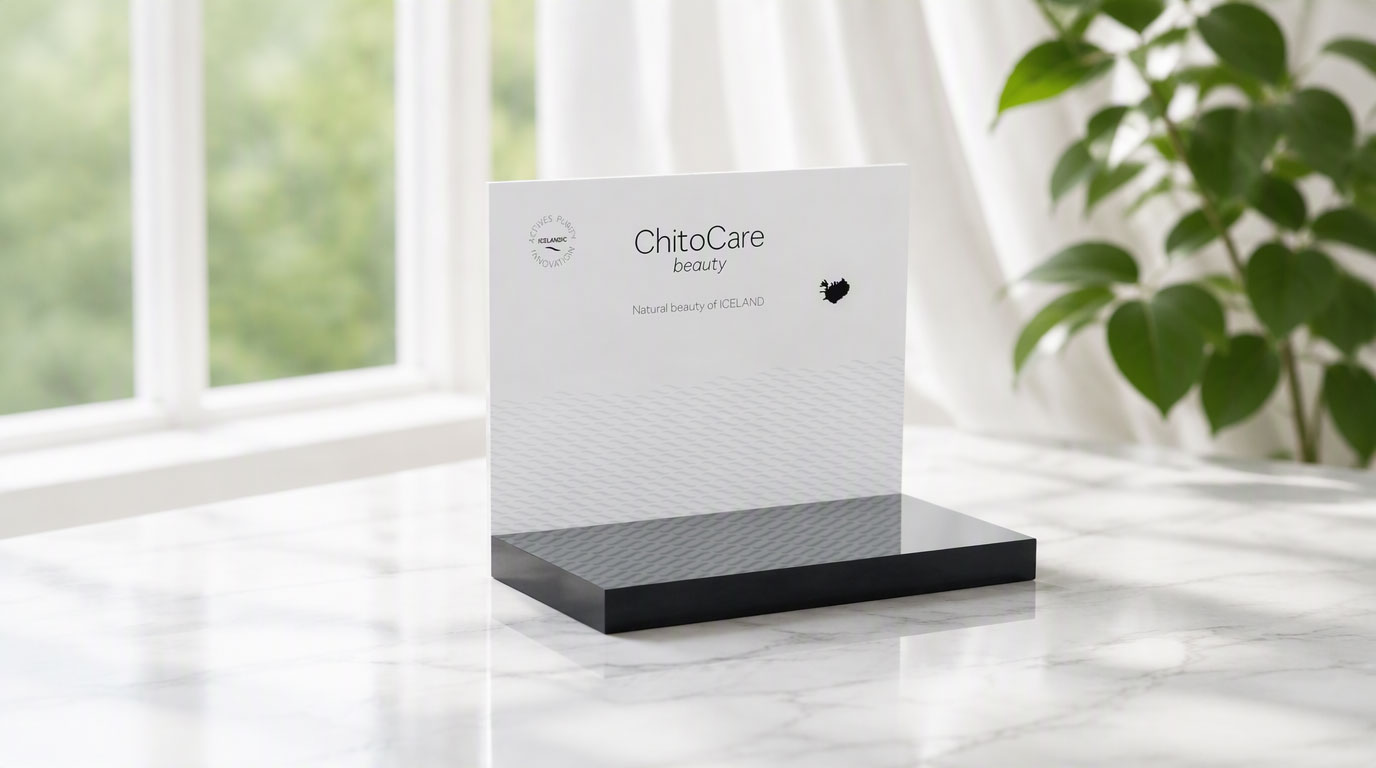
Finding the right supplier is about more than getting a low price. A good manufacturing partner should understand your design, deliver consistent quality, communicate clearly, and help your business avoid costly mistakes. If you are sourcing displays for retail stores, cosmetics, electronics, jewelry, or promotional products, choosing the right factory can make a real difference to your brand.
China offers a wide range of acrylic display manufacturers, but not every supplier has the same experience or production standards. Before placing an order, you need to know what to check, which questions to ask, and how to tell a reliable factory from a risky one.
In this guide, you will learn how to find a supplier that fits your needs, compare quotes with confidence, and build a long-term manufacturing partnership.
Key Takeaways:
● Define your product specifications before contacting suppliers.
● Verify the manufacturer's factory, experience, and customization capabilities.
● Request samples and check quality before approving mass production.
● Compare total costs, communication, lead times, and after-sales support.
● Start with a manageable order and build the relationship based on proven results.
Why Choose a China Manufacturer for Custom Acrylic Countertop Displays?
Acrylic countertop displays help brands present products neatly, attract customer attention, and make better use of limited retail space. From lipstick holders and skincare organizers to product stands and branded promotional displays, they can be adapted to many industries.
Working directly with a Chinese manufacturer can offer several advantages.
Competitive Pricing and Flexible Production
China has an established manufacturing supply chain for acrylic fabrication, printing, cutting, polishing, and assembly. When these processes are available within one production network, manufacturers may be able to reduce handling costs and improve production efficiency.
However, the cheapest quote is not always the best deal. Material quality, finishing standards, packaging, and defect rates all affect the real cost of your order.
Custom Designs for Different Business Needs
A reliable factory should be able to adapt display dimensions, colors, compartments, logos, and product placement to your requirements. This is especially useful when your products have unusual shapes or your retail brand follows specific visual guidelines.
Many suppliers also support OEM and ODM projects. OEM usually means producing according to your design, while ODM may include design development based on your ideas or requirements.
A Wide Range of Display Applications
Acrylic is lightweight, transparent, and easy to shape into different display structures. It is commonly used for cosmetics, beauty tools, electronics, jewelry, food packaging presentations, and retail promotions.
The right manufacturer can help you choose a suitable structure and finish, rather than simply reproducing a drawing without considering how the display will work in practice.
1. Define Your Custom Acrylic Countertop Display Requirements
Before searching for suppliers, clarify what you want to produce. A detailed brief helps manufacturers quote accurately and reduces misunderstandings later.
Identify the Purpose of Your Display
Start by answering a few practical questions:
● What products will the display hold?
● Will it sit on a checkout counter, shelf, reception desk, or trade show table?
● How many products should it accommodate?
● Will customers handle the products directly?
● Does the display need to be portable, stackable, or refillable?
For example, a lipstick display may need multiple narrow compartments, while an electronics display may require cable openings and stronger supports.
Choose the Right Material and Finish
Not all acrylic sheets look or perform the same way. Consider thickness, transparency, color, surface finish, and resistance to everyday wear.
Clear acrylic is suitable for products that should remain the focus. Colored or frosted acrylic can support a distinctive brand style, while printed panels can communicate product information.
Ask your supplier to recommend material thickness based on the display's size, weight, and intended use rather than choosing thickness based on price alone.
Prepare Your Design Information
Provide a technical drawing if you have one. If not, share reference photos, a rough sketch, product dimensions, logo files, and examples of displays you like.
Your brief should include:
● Overall dimensions and compartment sizes
● Material type, thickness, and color
● Logo position and printing method
● Expected order quantity
● Target delivery date and destination country
The more complete your information is, the easier it becomes to compare quotes on an equal basis.
2. Search for Potential China Acrylic Display Manufacturers
Once you know what you need, start building a shortlist rather than contacting every supplier you find online.
Use B2B Platforms and Google
B2B marketplaces can help you discover suppliers and compare product ranges. Google is also useful when you want to find factories specializing in a particular display type.
Try searches such as:
-
China acrylic display manufacturer
-
Custom acrylic countertop display factory
-
Wholesale acrylic display stand supplier
-
OEM acrylic retail display manufacturer
Look beyond the first search result. Review the supplier's website, product range, factory information, and examples of custom projects.
Attend Trade Shows and Explore Referrals
Trade shows can help you meet suppliers, inspect samples, and discuss requirements directly. Referrals from other buyers may also reveal how a manufacturer handles deadlines, product changes, and repeat orders.
Distinguish a Factory from a Trading Company
A trading company is not automatically a bad choice. Some offer useful sourcing and project management services. However, if you need complicated customization or frequent production changes, direct factory access can make communication easier.
Ask who performs the actual manufacturing, which processes are outsourced, and whether you can arrange a factory video tour or visit.
3. Verify the Manufacturer's Credentials and Experience
A professional website does not automatically prove that a supplier is trustworthy. Check the company's identity and manufacturing experience before sharing sensitive designs or making a large payment.
Check Business Information
Request the company's registered business name and relevant business license information. Make sure the entity issuing your quotation and receiving your payment matches the company you have verified, or that any differences are clearly explained.
For larger orders, consider using an independent inspection or verification service.
Review Relevant Project Experience
A supplier that mainly produces simple sign holders may not be the best fit for a complex, multi-level cosmetics display.
Ask for examples similar to your project. Look for details such as:
-
Clean edges and smooth polishing
-
Consistent bonding and alignment
-
Accurate logo placement
-
Stable structures and practical product access
-
Neat assembly and packaging
Photos are a useful starting point, but samples and production evidence offer stronger reassurance.
Evaluate Factory Equipment and Capacity
Ask which processes the manufacturer handles in-house. These may include laser cutting, CNC machining, bending, bonding, polishing, printing, and assembly.
Also ask how the factory manages peak-season demand. A supplier may be technically capable of producing your display but lack sufficient capacity to meet your required schedule.
4. Evaluate Customization and Manufacturing Capabilities
The ability to make a display that looks attractive in a drawing is different from the ability to manufacture it consistently at scale.
Check the Main Production Processes
Different processes affect appearance, accuracy, and cost.
| Manufacturing process | What to check |
|---|---|
| Laser cutting | Clean edges and accurate shapes |
| CNC machining | Dimensional accuracy and complex details |
| Heat bending | Consistent angles and minimal distortion |
| Acrylic bonding | Clear joints and strong connections |
| Edge polishing | Smooth, transparent, professional edges |
| UV printing | Color accuracy and logo placement |
| Assembly | Correct fit, alignment, and stability |
Ask the manufacturer which processes suit your design and whether any special tooling or fixtures are required.
Confirm OEM and ODM Support
If you already have a finished design, ask whether the factory can manufacture it according to your drawings and specifications.
If you only have a concept, check whether the supplier can help develop the structure, suggest material changes, and create a prototype. Agree on who owns the final design files and whether design revisions incur additional charges.
Ask About Sampling and Revisions
A good supplier should explain how samples are developed, how long they take, and what happens if the first version needs changes.
Before approving a prototype, confirm the dimensions, colors, material thickness, printing details, and functional requirements. This gives both parties a clear reference for mass production.
5. Assess Product Quality Before Ordering in Bulk
A display can look impressive in a photograph but still have poor joints, uneven edges, or a structure that becomes unstable when loaded.
Inspect the Material and Finish
Check whether the acrylic is clear and consistent, with no obvious scratches, unwanted haze, cracks, or visible defects. Examine edges, corners, bonding areas, and printed surfaces under good lighting.
For colored or printed displays, compare the sample with your approved brand colors and artwork. Keep a record of the approved version for future orders.
Test Stability and Everyday Use
Place the intended products on the display and test how it performs under normal handling.
Check whether the base sits flat, compartments fit the products, and shelves remain stable under the expected load. If customers will frequently pick up and return products, test whether the display stays in position.
Where necessary, ask the manufacturer to recommend appropriate load testing and inspection criteria.
Request a Pre-Production Sample
A sample gives you a chance to identify problems before they affect hundreds or thousands of units.
Use an approval checklist that covers:
-
Dimensions and material thickness
-
Color, transparency, and surface finish
-
Logo size, position, and print quality
-
Assembly, stability, and product fit
-
Packaging and included accessories
For larger orders, consider an independent pre-shipment inspection. Agree on acceptable defect levels and inspection procedures before production starts.
6. Compare Quotes, MOQs, and Lead Times
Price matters, but the goal is to understand what you will actually pay for a finished, usable product delivered to your destination.
Understand What Affects Pricing
Custom display prices depend on material consumption, design complexity, production processes, order quantity, printing, assembly, and packaging.
A complicated display with several compartments may require more labor than a simple stand, even if both use similar amounts of acrylic.
Ask for an itemized quotation that separates product costs, sampling fees, tooling, printing, packaging, and shipping where applicable.
Compare Suppliers on Equal Terms
Use the same drawing, specifications, quantity, and packaging requirements when requesting quotes. Otherwise, a lower price may simply reflect thinner material, fewer features, or a different production method.
The following table can help you compare suppliers consistently.
| Evaluation factor | Supplier A | Supplier B | Supplier C |
|---|---|---|---|
| Unit price | Record quote | Record quote | Record quote |
| Sample cost | Record fee | Record fee | Record fee |
| MOQ | Record quantity | Record quantity | Record quantity |
| Production lead time | Record days | Record days | Record days |
| Quality evidence | Record findings | Record findings | Record findings |
| Communication | Record response | Record response | Record response |
| Total landed cost | Calculate | Calculate | Calculate |
Include freight, duties, taxes, and any relevant handling charges when calculating your estimated landed cost.
Confirm MOQ and Delivery Schedule
Ask whether the factory has a minimum order quantity and whether mixed designs or colors are possible within one order.
Clarify the sample timeline, production lead time, inspection window, and shipping estimate separately. Confirm when production begins and what happens if artwork approval or material sourcing causes delays.
7. Evaluate Communication and Customer Service
Good communication is especially important when your project involves custom dimensions, branding, or multiple rounds of revisions.
Look for Clear, Practical Answers
A reliable supplier should ask questions about your products, dimensions, quantities, and intended use instead of immediately promising the lowest price.
Pay attention to whether the sales representative understands your requirements and can explain technical issues in plain English.
Confirm Who Will Manage Your Project
Ask who will handle design revisions, sample approval, production updates, and quality concerns. A clear point of contact can reduce confusion when several departments are involved.
Before placing your order, agree on how progress updates will be shared and how quickly urgent questions should receive a response.
8. Understand Payment Terms, Contracts, and Shipping
A written agreement protects both sides by making expectations clear before production begins.
Confirm Specifications and Payment Conditions
Your purchase order or contract should identify the product, dimensions, materials, quantities, colors, approved artwork, packaging requirements, delivery terms, and payment schedule.
Avoid sending funds to an unrelated account without a verified explanation. For large orders, consider payment arrangements that link final payment to agreed milestones and inspection results.
Protect Your Design and Brand Assets
If your display uses original product layouts, logos, or proprietary designs, discuss confidentiality and intellectual property ownership in writing.
Clarify whether the supplier can show your design in its portfolio, manufacture the same design for other customers, or retain production files after the project ends.
Plan for Safe International Shipping
Acrylic can be scratched or damaged during transport if it is not properly protected.
Ask about protective films, individual wrapping, dividers, carton strength, and palletization where appropriate. Confirm shipping terms, insurance responsibilities, customs documentation, and the process for reporting transit damage.
For high-value or fragile orders, request packaging photos or a packing sample before shipment.
9. Watch Out for Common Supplier Red Flags
Be cautious if a supplier shows several of the following warning signs:
-
Unusually low prices: The quote may exclude important costs or rely on lower specifications.
-
Unverifiable business details: The company avoids providing basic registration or factory information.
-
No relevant samples: The supplier cannot demonstrate experience with similar products.
-
Changing specifications: Material thickness, color, or other details keep changing without approval.
-
Unclear payment arrangements: The beneficiary does not match the verified business without a reasonable explanation.
-
Poor problem-solving: The supplier avoids discussing defects, revisions, or delivery risks.
One warning sign does not always mean a supplier is dishonest. However, several unresolved concerns should prompt additional verification before you commit.
10. Build a Long-Term Manufacturing Partnership
Finding a suitable supplier is the beginning of the process, not the end. A strong partnership can help you maintain product consistency, improve designs, and make future orders easier.
Start with a Trial Order
For a new relationship, consider a sample order or a manageable first production run. This lets you evaluate product quality, packaging, delivery performance, and communication before increasing order volume.
Keep Consistent Product Records
Save approved drawings, artwork files, material specifications, inspection results, and sample photographs. These records help prevent confusion when you reorder months later.
If you make changes to the display, document the revisions and obtain written approval before manufacturing begins.
Review Performance After Each Order
After delivery, evaluate defects, packaging, lead time, and the supplier's response to any issues. Share practical feedback and agree on improvements.
Over time, this process can help you identify a dependable partner for repeat orders and future product launches.
Conclusion: Choose a Manufacturer You Can Trust
Finding the right supplier takes more than comparing prices or browsing product photos. You need to verify the company's background, assess its production capabilities, inspect samples, and agree on clear specifications, payment terms, and quality standards.
When comparing a China acrylic display manufacturer, focus on the supplier's ability to deliver consistent results and communicate openly throughout the project. The right partner should understand your business goals and help turn your design into a practical, attractive retail display.
If you are developing custom acrylic countertop display solutions for your brand, take the time to prepare a detailed brief, compare qualified suppliers, and approve a sample before moving into bulk production.
Looking for a manufacturing partner for your next retail display project?
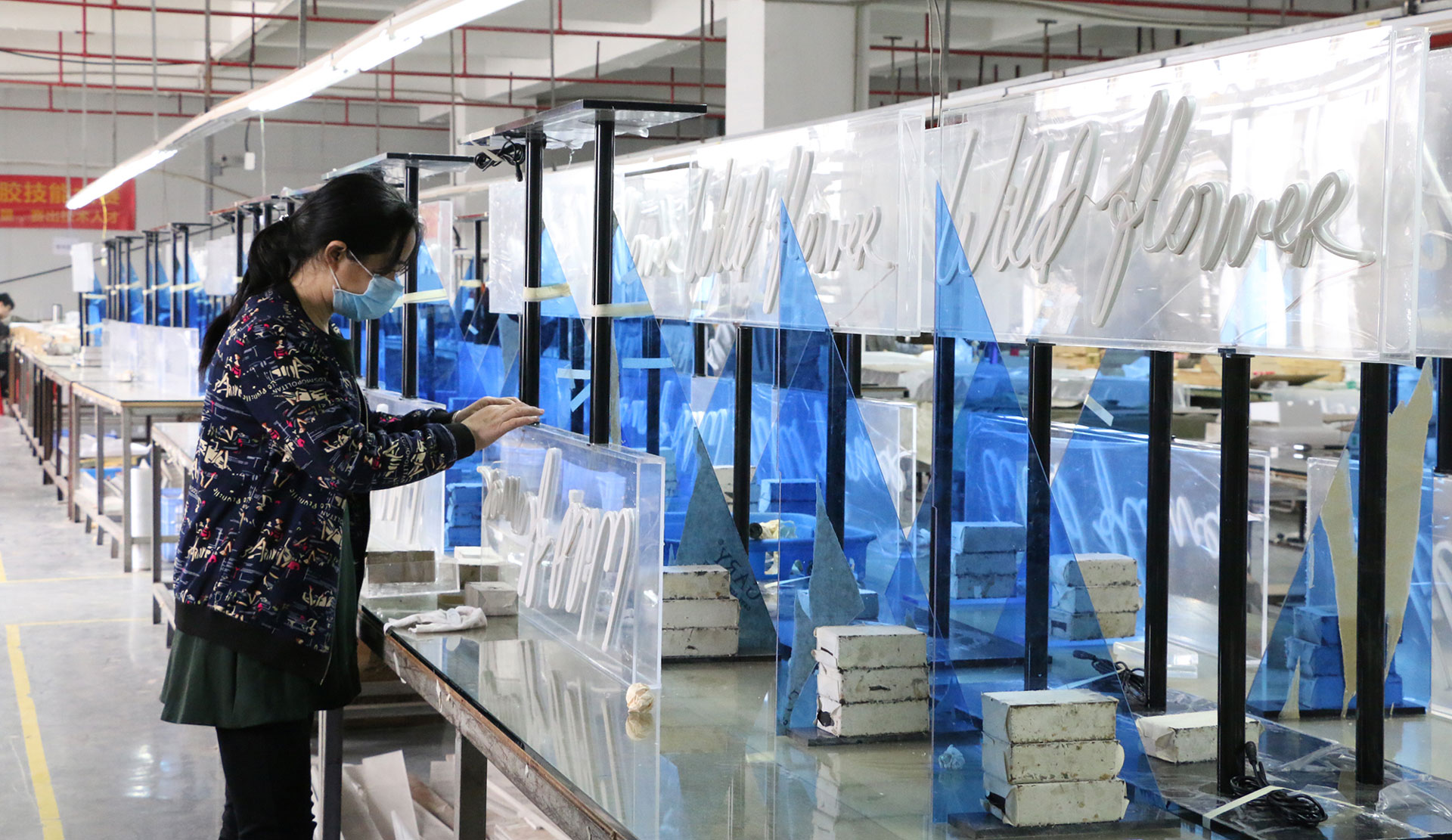
JAYI Acrylic specializes in custom acrylic display solutions for businesses seeking tailored designs and professional manufacturing support. Whether you need branded countertop displays, product holders, or other retail presentation solutions, JAYI Acrylic can help you explore options suited to your specifications.
Share your design, dimensions, estimated order quantity, and target delivery date to discuss your project and request a quotation.

Cathy Qin works at Jayi Acrylic Industry Limited, focusing on custom acrylic product management and SEO-driven content marketing for B2B wholesale and retail applications. Her work includes designing display solutions, managing customization projects, and optimizing website content to promote Jayi’s high-quality acrylic products across global digital channels.
Post time: Oct-13-2026