
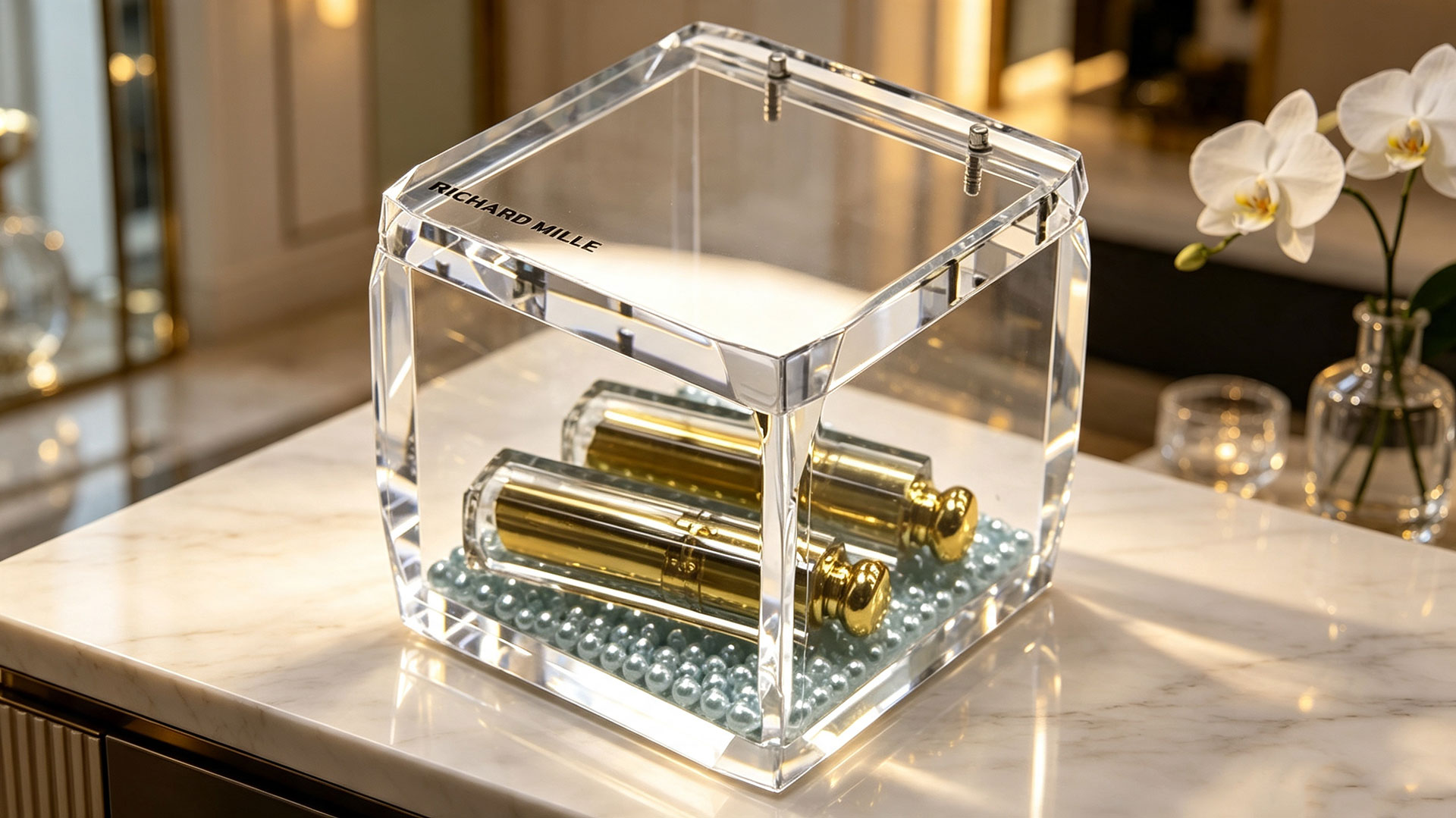
Every in-store display choice directly impacts customer shopping decisions and brand credibility. Retailers often struggle to choose between a custom acrylic box and a PVC plastic display box, as both serve merchandising purposes but deliver vastly different results. Picking the wrong retail display box can hurt product appeal, waste budget, and downgrade store aesthetics. This guide breaks down material performance, customization options, real-world costs, and common buying risks to help you make a perfect fit for your retail scenarios.
Key Takeaways
● Custom acrylic box delivers premium clarity and durability for high-end retail branding
● PVC plastic display box offers budget-friendly, flexible solutions for daily store displays
● Material choice directly affects shelf presentation, maintenance frequency, and long-term retail costs
● Different customization thresholds suit small promotional orders and long-term brand layout respectively
This post is a dedicated in-depth chapter from our Custom Acrylic Box Manufacturing Complete Guide, your ultimate resource for professional acrylic display design, production, and wholesale knowledge.
Why Retail Display Box Material Matters
The impact of display packaging on in-store sales and brand image
Retail display boxes are more than simple packaging containers. They act as silent merchandisers that showcase product value and attract foot traffic. A well-matched display box can highlight product features, make goods stand out on crowded shelves, and encourage impulse purchases.
Meanwhile, display fixtures shape customers’ first impressions of your brand. Premium, tidy and transparent displays convey professionalism and high quality. On the contrary, dull, flimsy boxes make even high-quality products look cheap and untrustworthy to shoppers.
Key pain points retailers face with low-quality display boxes
Most store owners encounter similar troubles with generic low-end display boxes. Many cheap plastic boxes turn yellow quickly after short-term use, ruining the clean store visual effect.
They also scratch easily and deform under slight extrusion. Frequent replacement not only increases operating costs but also disrupts unified store decoration styles and daily merchandising arrangements.
Core purpose of choosing between custom acrylic and PVC boxes
The core goal of material selection is to balance display effect, budget, and long-term usability. There is no one-size-fits-all best material for all retail scenarios.
By comparing a custom acrylic box and a PVC plastic display box, retailers can avoid blind purchases. You can match the right fixture to your product positioning, store grade, and business operation cycle.
Basic Overview of Custom Acrylic Boxes for Retail
Material characteristics and visual performance of acrylic boxes
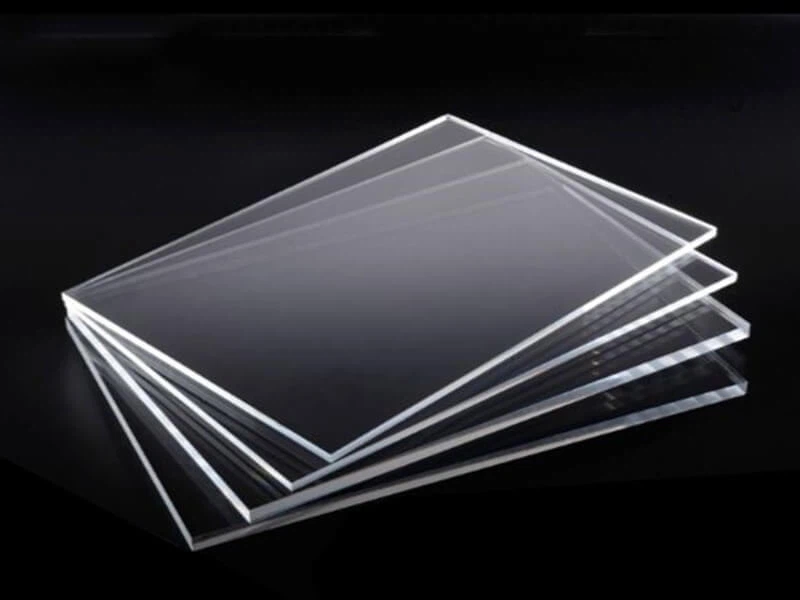
Acrylic is a high-transparency, high-hardness polymer material widely adopted in premium retail fields. A qualified custom acrylic box features glass-level clarity without the fragility of real glass.
It boasts over 90% light transmittance, presenting true product colors without distortion or foggy vision. The surface is smooth, flat, and resistant to daily dust accumulation, maintaining a brand-new look for years.
Applicable retail scenarios for custom acrylic display boxes
Acrylic display products are mainly used for high-value and high-end retail merchandising. They are perfect for jewelry, cosmetics, luxury watches, electronic gadgets, and designer accessories.
They also work well in brand flagship stores, specialty boutiques, and exhibition booths that require consistent premium brand tones and long-term fixed display layouts.
Core advantages of acrylic boxes for high-end retail display
● Ultra-high transparency restores product details and enhances shelf grade
● Hard and wear-resistant surface avoids daily scratch damage
● Stable material structure prevents deformation, suitable for long-term fixed placement
● Delicate customization supports exclusive brand styling
Basic Overview of PVC Plastic Boxes for Retail
Material characteristics and visual performance of PVC boxes
PVC is a lightweight, cost-effective flexible plastic material. PVC plastic display box has moderate transparency and a soft texture, with excellent flexibility in basic processing and shaping.
Compared with acrylic, PVC has lower light transmittance and slight visual haze. It is prone to yellowing and surface abrasion after long-term light exposure and frequent use.
Applicable retail scenarios for PVC plastic display boxes
PVC boxes are ideal for mass daily retail and short-term promotional activities. Supermarket daily necessities, stationery, small toys, and fast-moving consumer goods all fit this display solution.
They are also widely used in temporary pop-up stores, seasonal promotions, and small shop daily displays that require frequent product and fixture updates.
Core advantages of PVC boxes for daily retail display
● Ultra-low raw material and processing costs, reducing bulk procurement budget
● Lightweight and portable, easy to move and rearrange store layouts
● Low customization threshold, friendly for small-batch trial orders
● Good toughness, not easy to break during daily handling
Head-to-Head Performance Comparison: Acrylic vs PVC Display Boxes
Durability, scratch resistance and long-term service life test
Durability is a key factor affecting retail operating costs. A custom acrylic box has high surface hardness, effectively resisting daily scratches from customer contact and cleaning.
Its structural stability ensures no deformation under normal placement pressure, with a service life of 3 to 5 years. PVC plastic display box has a soft surface texture, making it prone to leaving scratch marks and indentations, usually lasting only 1 to 2 years.
Transparency, texture and on-shelf display effect difference
Display texture directly determines product grade perception. Acrylic’s crystal-clear vision creates a high-end, clean, and neat shelf atmosphere, greatly improving the product's premium sense.
PVC presents a slightly blurred visual effect, which cannot highlight product details. It can only meet basic display needs and is unable to support high-end brand image building.
Weather resistance: Adaptability to indoor and semi-outdoor retail environments
Retail fixtures may face complex lighting and environmental conditions. Acrylic has excellent UV resistance and oxidation resistance, suitable for indoor and semi-outdoor display scenarios.
PVC material has poor weather resistance. Long-term exposure to light and air will cause embrittlement, yellowing, and aging, so it can only be used in pure indoor shaded environments.
|
Performance
|
Custom Acrylic Box
|
PVC Plastic Display Box
|
|---|---|---|
|
Scratch Resistance
|
Excellent, long-term scratch-free use
|
Poor, easy to produce surface scratches
|
|
Display Transparency
|
90%+ high transmittance, crystal clear
|
Medium transmittance, slightly foggy vision
|
|
Service Life
|
3-5 years
|
1-2 years
|
|
Environment Adaptability
|
Indoor & semi-outdoor
|
Only pure indoor use
|
Customization Flexibility Comparison for Retail Brand Needs
Shape, size and structural customization capabilities
Different retail products have unique size and shape requirements. Custom acrylic box supports complex structural design, including multi-layer storage, embedded fixed slots, special-shaped cutting, and assembly modeling.
It can perfectly fit irregular high-end products and customized store styles. PVC plastic display boxes are limited to simple bending and conventional square and rectangular shapes, with no support for complex structures.
Printing, logo embossing and surface finishing options
Brand identification depends on exquisite surface customization. Acrylic supports laser engraving, precise silk screen printing, matte frosting, polishing, and other high-end finishing processes.
Brand logos and slogans are clear, wear-resistant, and layered. PVC only supports basic printing, with easy-to-fade patterns and a single surface effect, lacking brand texture.
Minimum order quantity and personalized customization feasibility
PVC has a low minimum order quantity, which is very friendly for small retailers, new store trials, and short-term promotional customization needs.
Custom acrylic boxes require a certain bulk order quantity (100pcs), more suitable for brand chain stores, long-term unified layout, and large-scale personalized retail display customization.
Cost & Practicality Analysis for Retail Businesses
Unit price and bulk order cost difference
In terms of single-unit price, a PVC plastic display box has an absolute cost advantage, with low raw material and processing costs for bulk purchases.
A custom acrylic box has a higher upfront procurement cost, but its long service life avoids repeated replacement costs, resulting in a lower comprehensive annual use cost.
Installation, transportation and storage convenience
Both materials are lightweight and easy to transport and stack. PVC is softer and more flexible, making it convenient for compressed storage and short-distance handling.
Acrylic has high hardness and is not easy to deform during long-distance transportation. It requires standardized packaging but avoids extrusion damage during logistics.
Maintenance cost and replacement cycle in long-term use
Acrylic maintenance is extremely simple, only needing daily soft cloth wiping to keep transparent and clean, with almost no later maintenance costs.
PVC boxes are easy to scratch and yellow, requiring regular inspection and replacement. The frequent update cycle increases the long-term operating cost of retail stores.
FAQ

Q1: Will custom acrylic boxes have color difference or defective surfaces after mass production?
Formal manufacturers adopt unified raw material batches and standardized production processes. Professional pre-delivery quality inspection will eliminate bubbles, scratches, and color difference problems to ensure consistent product quality.
Q2: Will the customized box size not fit my retail products perfectly?
Reliable suppliers provide drawing confirmation and sample production before mass production. This step effectively avoids size deviation and ensures 100% product matching.
Q3: Will the display box be fragile or easily damaged during logistics delivery?
Acrylic and PVC are both shatterproof plastic materials, far safer than glass. With professional foam and carton packaging, the damage rate in logistics is almost negligible.
Q4: Will the customized effect fail to match the high-end style of my brand?
If your brand is positioned in high-end markets, a custom acrylic box is the best choice for premium texture. PVC is more suitable for daily mass retail and cannot meet high-end brand aesthetic needs.
Q5: Will the bulk order delivery cycle delay my new product launch schedule?
As long as the design scheme and production requirements are confirmed in advance, manufacturers can arrange production schedules reasonably to ensure on-time delivery and support new product launch plans.
Q6: Will the material fail safety standards and cause in-store use risks?
Qualified acrylic and PVC materials are non-toxic, tasteless, and compliant with international retail safety standards. They have no safety hazards for long-term indoor display and customer contact.
Conclusion: Pick the Right Box Based on Your Retail Scenarios
After a comprehensive comparison of performance, customization, cost, and practicability, we can clearly distinguish the applicable scenarios of the two display materials. The best choice always depends on your brand positioning and business needs.
If you operate high-end boutiques, chain brand stores, or need long-term unified high-quality display effects, investing in a custom acrylic box is the most cost-effective solution. It upgrades store grade, shapes a professional brand image, and reduces long-term maintenance troubles.
If you focus on daily mass retail, temporary promotions, or small-batch short-term display needs, a PVC plastic display box can perfectly meet your basic merchandising goals with ultra-high cost performance.
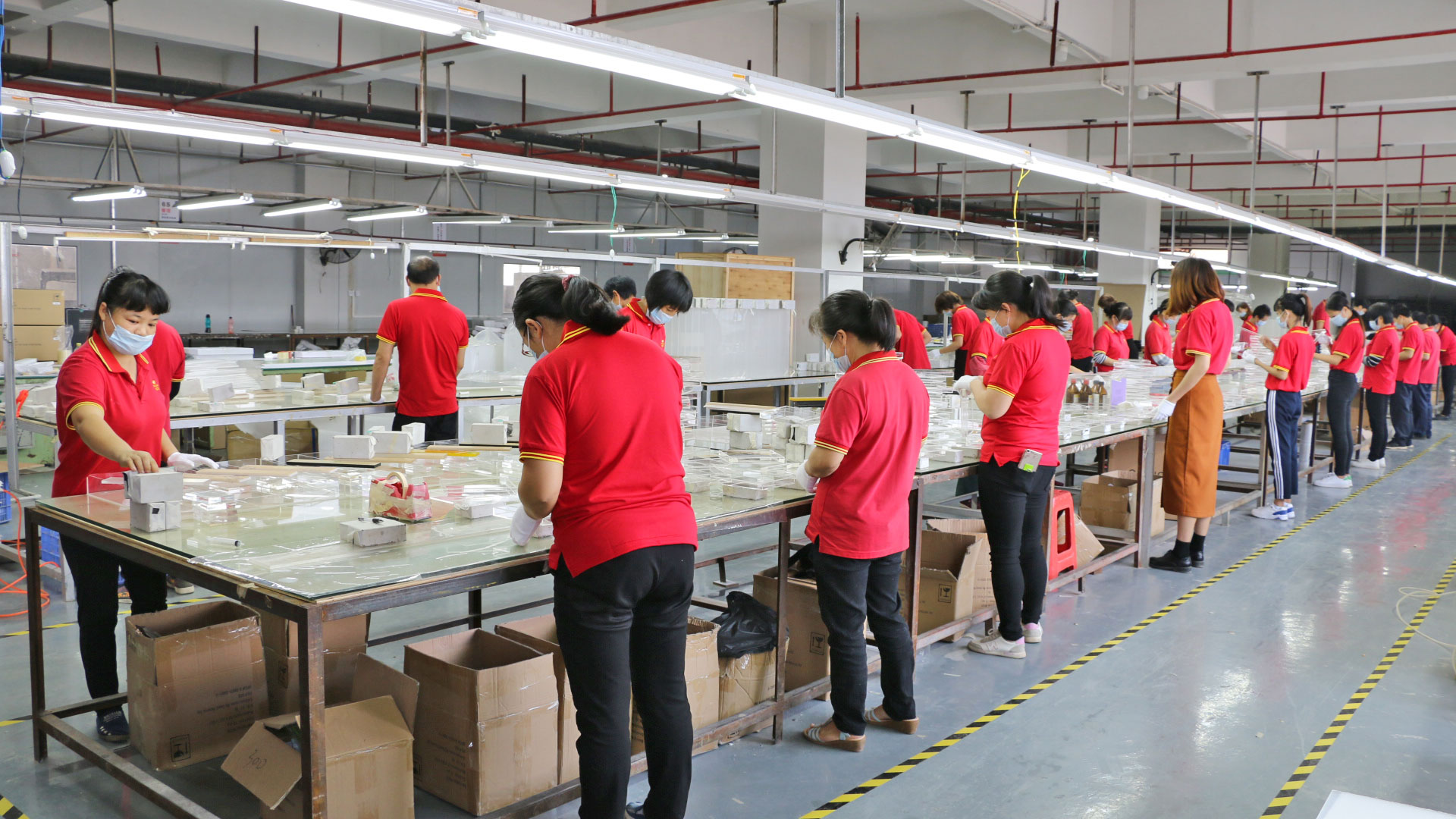
For reliable, customized retail display solutions, choose JAYI Acrylic. As a professional acrylic manufacturing factory, we provide one-stop services including design, customization, precision production, and strict quality inspection. We tailor exclusive high-quality acrylic boxes for global retail brands, helping every merchant boost in-store sales and brand influence with exquisite display products.

Cathy Qin works at Jayi Acrylic Industry Limited, focusing on custom acrylic product management and SEO-driven content marketing for B2B wholesale and retail applications. Her work includes designing display solutions, managing customization projects, and optimizing website content to promote Jayi’s high-quality acrylic products across global digital channels.
Post time: Jul-27-2026