
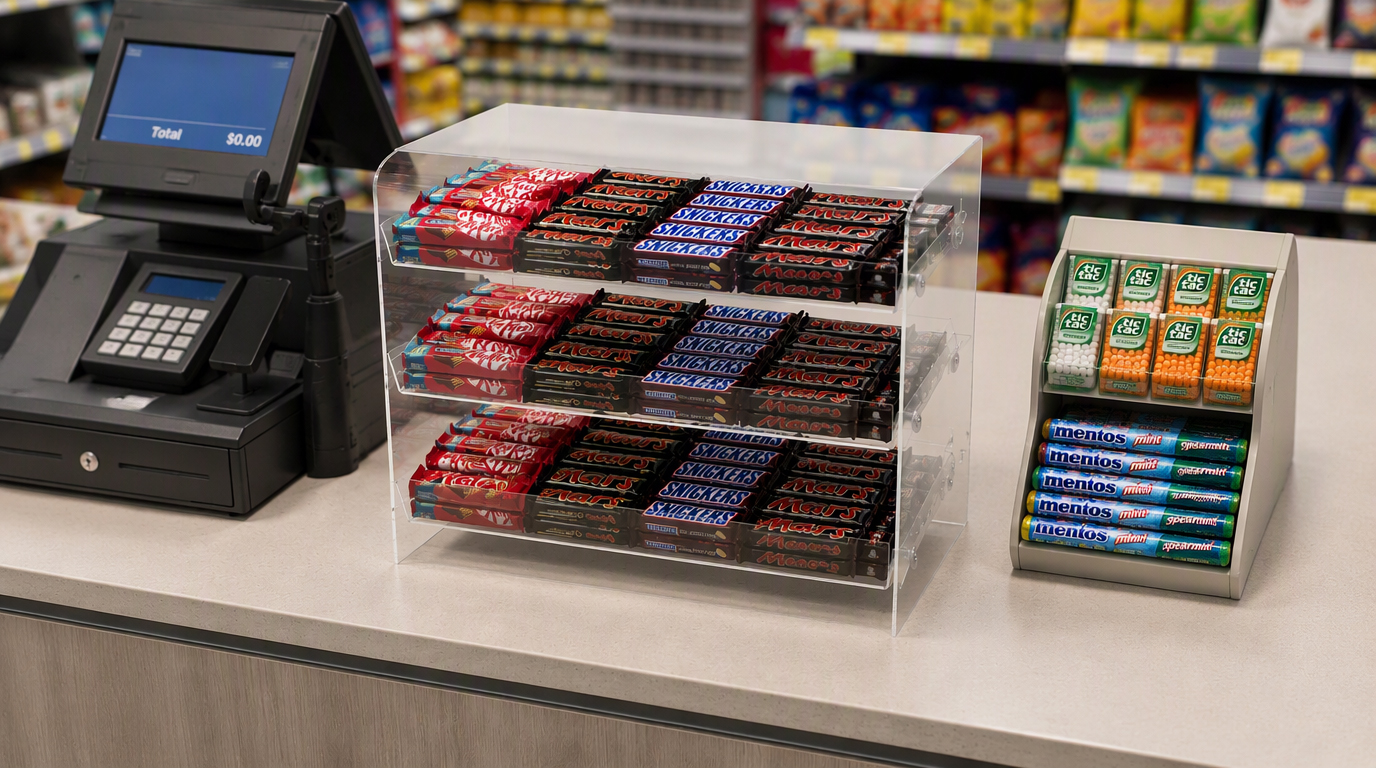
Picking the right acrylic thickness is the most overlooked step when building reliable, good-looking retail displays.
Choose too thin, and your stand will bend, warp, or feel flimsy in high-traffic stores. Choose overly thick, and you waste budget on unnecessary material costs.
This guide breaks down exactly how to select the perfect acrylic thickness for countertop display for any retail, commercial, or personal project.
Here’s what you’ll learn in this complete guide:
• Standard acrylic thickness grades and their real-world strengths and weaknesses
• Exact thickness recommendations for different countertop display types and product weights
• Key factors that prevent warping, bending, and early display damage
• Quick reference table to speed up your bulk ordering and design process
• Expert answers to the most common buyer questions about acrylic display sheets
Why Acrylic Thickness Matters for Countertop Displays
Acrylic remains the top material for countertop displays thanks to its clarity, durability, and lightweight build. Unlike glass, it resists shattering, and unlike plastic, it maintains a smooth, premium finish for years. However, all acrylic display performance boils down to one key factor: thickness.
Many new store owners and designers make the same mistake. They prioritize price over practicality and end up with thin acrylic displays that bend under light product weight. Others over-spec thick sheets and cut into their profit margins unnecessarily.
A well-chosen acrylic display sheet balances structural stability, visual appeal, and cost efficiency. The right thickness ensures your display stays rigid, clear, and professional through daily customer interaction and long-term store use.
Standard Acrylic Thickness Options for Countertop Displays
Retail countertop acrylic sheets fall into three core thickness categories. Each grade serves specific use cases, with distinct differences in rigidity, weight, and cost. Below are the industry-standard sizes you will find in all custom display manufacturing projects.
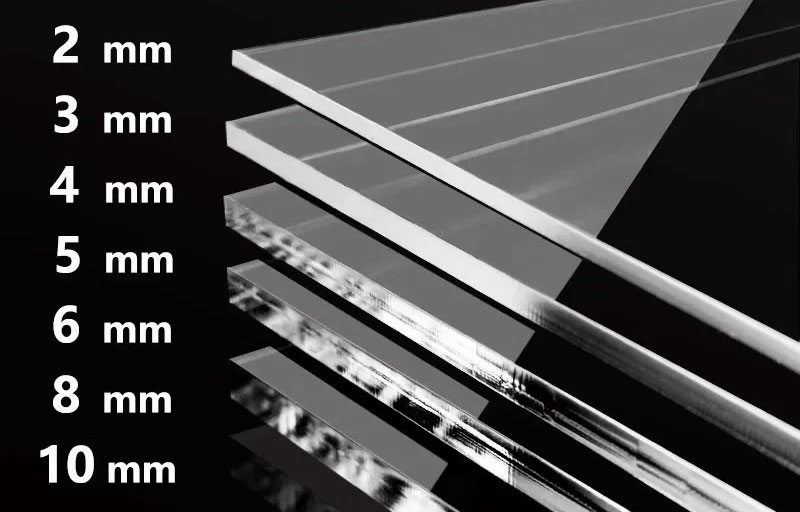
Thin-Gauge Acrylic: 1.5mm – 3mm
This is the lightest and most affordable acrylic thickness range. Thin acrylic sheets are flexible and easy to cut, bend, and customize for simple flat displays. They work best for stationary, low-load countertop applications with minimal physical contact.
The downside is clear. Thin acrylic lacks rigidity. It will visibly flex if you place heavy items on it or accidentally bump the display. It is also more prone to long-term warping under constant indoor lighting and temperature changes.
Medium-Gauge Acrylic: 4mm – 6mm
Medium acrylic thickness is the most popular choice for standard retail countertop displays. It delivers balanced stiffness and clarity without excessive weight or high material costs. This grade resists minor bending and holds its shape reliably during daily store operations.
Most cosmetic stands, jewelry risers, and small snack displays use 4mm to 6mm acrylic. It offers enough structural support for everyday products while keeping a sleek, modern visual effect that customers love.
Heavy-Duty Acrylic: 8mm – 12mm+
Heavy-gauge acrylic is built for structural stability and premium display aesthetics. Sheets 8mm and thicker are extremely rigid, completely warp-resistant, and able to support heavy products and wide-span display shelves.
This thickness creates a high-end, solid look perfect for luxury retail, museum exhibits, and multi-tier large-scale displays. The only tradeoff is higher cost and heavier weight, which makes transportation and installation slightly more complex
How to Choose Acrylic Thickness by Countertop Display Type
There is no universal “best” thickness for every display. Your ideal size depends entirely on what you are displaying and how your fixture is structured. Use this targeted breakdown to match your project accurately.
Lightweight Static Displays (Signs, Price Tags, Label Stands)
For flat price signs, tabletop labels, and small menu holders, 1.5mm to 3mm acrylic is more than enough. These displays carry zero product load and only need to stay upright and readable.
Thin acrylic works perfectly here because it is lightweight, easy to replace, and cost-effective for bulk store rollouts. No need for thicker sheets that add unnecessary weight and expense.
Medium Load-Bearing Displays (Cosmetic Racks, Jewelry Stands)
Standard retail displays holding lipsticks, perfumes, jewelry, and small skincare products require 4mm to 6mm acrylic countertop display sheets. These items have moderate weight and sit on shelves with short spans.
This thickness prevents shelf sagging and keeps the display stable when customers pick up and put back products. It also maintains the transparent, clean aesthetic that makes acrylic retail displays stand out.
Heavy-Duty Functional Displays (Tiered Stands, Luxury Showcases)
Multi-tier displays, large product showcases, and stands holding bottled goods or heavy boxed items need 8mm to 10mm acrylic. Wide-span shelves over 300mm will sag noticeably with thinner materials.
Luxury brand displays also rely on thick acrylic to convey premium quality. The solid, substantial feel of heavy-gauge acrylic elevates product value far better than flimsy thin sheets.
Special Scenarios: Floating & Overhanging Displays
Floating or overhanging countertop structures need at least 6 mm thickness, even for light products. These designs lack full base support, so rigidity becomes critical to avoid bending or tipping.
For oversized floating displays, upgrade to 8mm acrylic for maximum safety and long-term shape retention.
Core Factors That Impact Your Thickness Decision
Beyond display type, five key factors determine whether your chosen acrylic display sheet will perform well long-term. Always evaluate these details before finalizing your custom display order.
Product Weight: Heavier items like glass bottles and metal accessories demand thicker acrylic to avoid sagging and structural fatigue.
Shelf Span Width: The wider the unsupported shelf space, the thicker your acrylic needs to be. Long spans amplify flexibility and warping risk.
Traffic & Environment: High-traffic retail stores need sturdier 5mm+ sheets to withstand bumps, touches, and daily wear. Outdoor or sunny indoor spaces require thicker sheets to resist heat warping.
Aesthetic Goals: Minimalist, sleek displays work with medium thickness, while premium luxury designs require thick, solid acrylic for a high-end look.
Budget Limits: Thin acrylic cuts costs for simple signage, while heavy-duty projects justify higher material investment for durability.
Acrylic Thickness Pros & Cons + Quick Comparison Table
This side-by-side overview helps you quickly compare common acrylic grades and eliminate guesswork from your design process.
|
Thickness Range |
Key Pros |
Key Cons |
Best Countertop Display Uses |
|
1.5mm – 3mm |
Ultra-affordable, lightweight, easy to customize, low shipping cost |
Flexible, prone to warping, cannot support weight easily |
Price tags, signage, small label holders, static brochure stands |
|
4mm – 6mm |
Balanced rigidity, clean aesthetic, cost-efficient, resistant to minor bending |
Not ideal for wide spans or heavy loads |
Cosmetic racks, jewelry stands, medium product risers, standard retail fixtures |
|
8mm – 12mm+ |
Fully rigid, warp-proof, premium feel, heavy load-bearing capacity |
Higher cost, heavier, less flexible for custom bending |
Tiered display towers, luxury showcases, wide-span shelves, museum exhibits |
FAQ

Is thicker acrylic always better for long-term display durability?
Not necessarily. Overly thick acrylic adds unnecessary weight and cost without improving performance for small, light displays. The best rule is to match thickness to your load and span, not simply choose the thickest option available.
Can I mix different acrylic thicknesses in one display fixture?
Yes, mixing thicknesses is a smart custom design strategy. You can use 3mm for back panel signage and 6mm for load-bearing shelves to balance cost and stability. Professional manufacturers easily handle mixed-thickness custom orders.
Does acrylic thickness affect scratch and UV resistance?
Base thickness doesn't directly affect scratch or UV resistance. Those properties depend on the acrylic grade and surface coating. You can order thin or thick sheets with anti-scratch and UV-protective finishes for high-traffic or sunlit spaces.
What thickness is ideal for bulk retail store rollout projects?
For consistent, cost-effective store rollouts, 5mm acrylic is the most versatile option. It is sturdy enough for nearly all standard countertop displays, affordable in bulk, and easy to standardize across multiple store locations.
How much extra thickness do I need for wide-span display shelves?
For spans under 300mm, 4–6mm works well. For spans between 300–600mm, upgrade to 8mm. For any span over 600mm, use 10mm acrylic or add center support ribs to prevent sagging.
Are there quality differences between same-thickness acrylic sheets from different suppliers?
Absolutely. Many budget suppliers sell recycled or low-purity acrylic that warps, yellows, or has cloudy clarity even at standard thicknesses. Consistent sheet density, pure raw materials, and precise cutting matter more than thickness alone for reliable displays.
Final Quick Reference Recommendations
To simplify your decision-making process, here is a fast, scenario-based cheat sheet for every common countertop display project:
Signage & labels: 1.5mm–3mm
Standard cosmetic & jewelry displays: 4mm–6mm
Tiered & heavy product stands: 8mm–10mm
Wide-span or floating designs: Minimum 6mm, upgrade to 8mm for large sizes
Always prioritize sheet quality and structural matching over maximizing thickness. A well-sized medium-grade acrylic countertop display always outperforms an oversized, low-quality thick sheet.
Conclusion
Choosing the right acrylic thickness does not have to be complicated. By focusing on product weight, shelf span, and usage environment, you can avoid flimsy displays and wasted material costs. Every retail countertop display, whether simple signage or luxury multi-tier fixtures, has a perfect thickness match for stable, long-lasting performance.
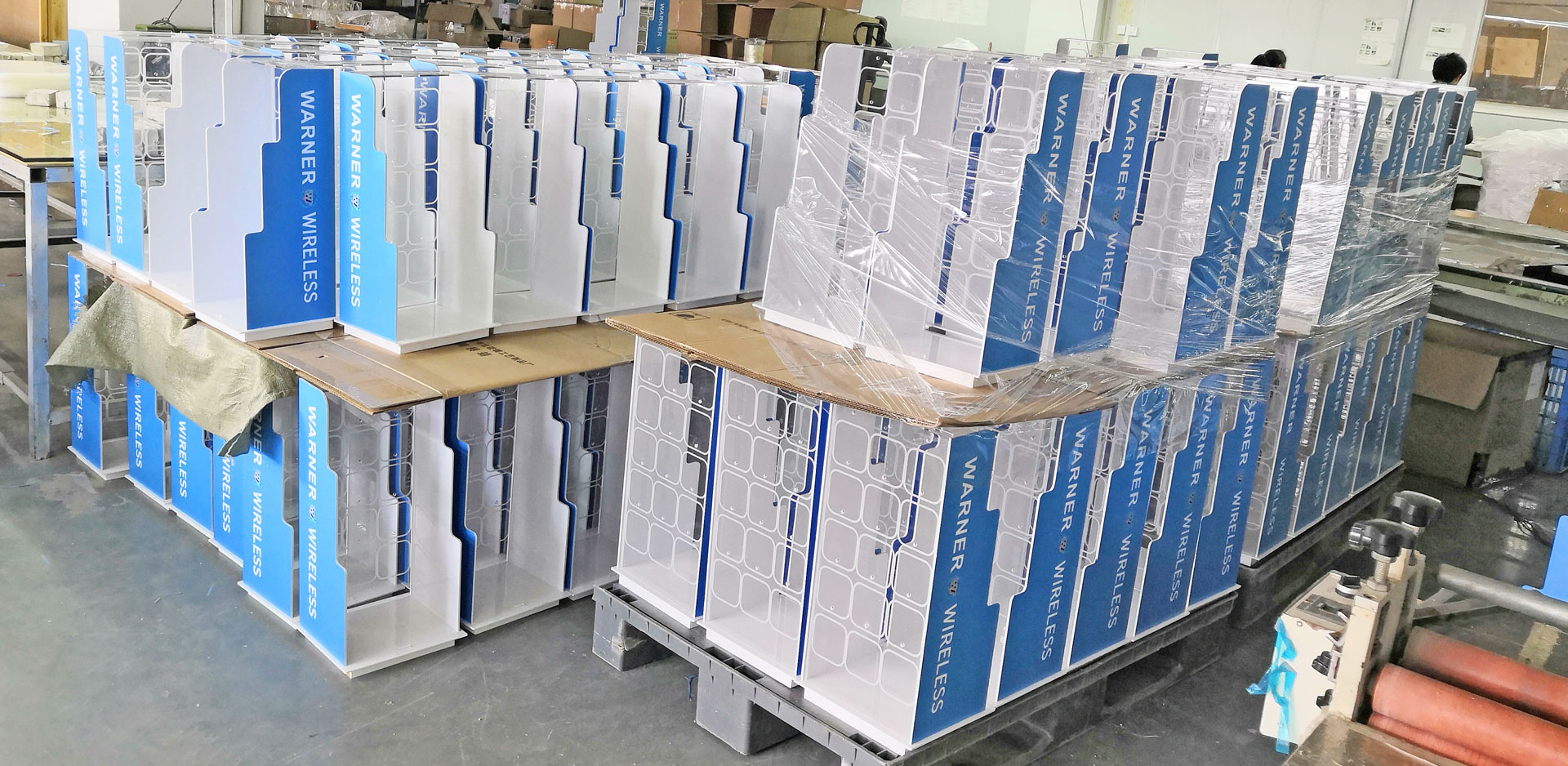
If you want custom-sized, high-purity acrylic display sheets with precise thickness tolerance for your retail projects, work with JAYI Acrylic.
As a professional custom acrylic display factory, we provide customized thickness cutting, surface finishing, and bulk OEM services.
Our high-clarity, warp-resistant acrylic sheets are widely used in global retail, beauty, and museum display scenarios, delivering stable quality and competitive factory pricing for every buyer.

Cathy Qin works at Jayi Acrylic Industry Limited, focusing on custom acrylic product management and SEO-driven content marketing for B2B wholesale and retail applications. Her work includes designing display solutions, managing customization projects, and optimizing website content to promote Jayi’s high-quality acrylic products across global digital channels.
Post time: Oct-05-2026