
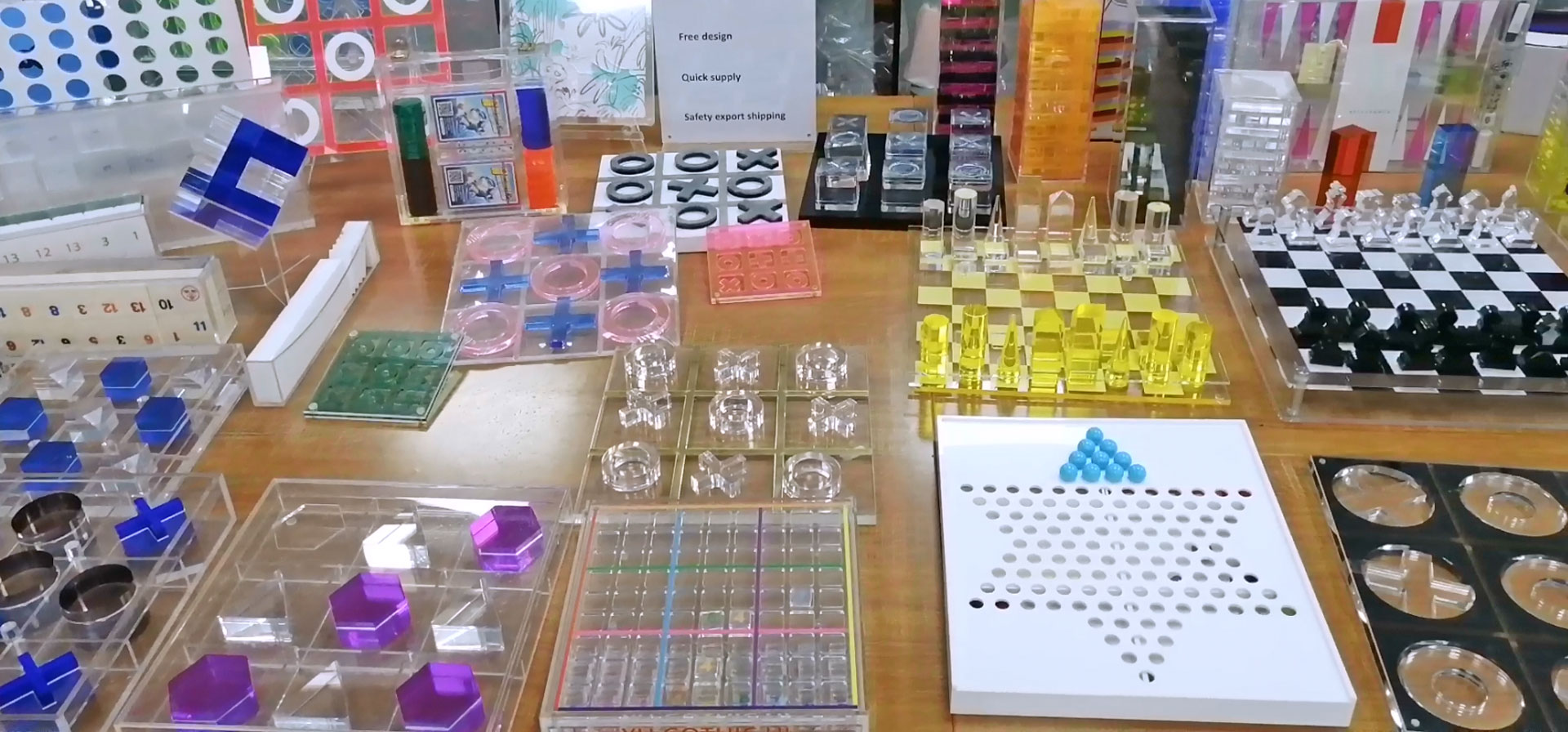
Custom acrylic game products offer significant opportunities for brands seeking differentiated offerings in competitive markets. However, the custom ordering process involves complexities that unfamiliar buyers often underestimate. Understanding the journey from concept to delivery helps you navigate supplier relationships more effectively and avoid common pitfalls that derail custom projects.
Private label and custom game production requires coordination across design, engineering, sampling, and production phases that each present potential bottlenecks. Establishing realistic expectations and clear communication channels with suppliers determines whether projects succeed or struggle. This guide walks through the complete ordering process for custom acrylic games.
Defining Your Custom Product Requirements
Successful custom projects begin with clearly articulated product specifications that communicate your vision to manufacturers. Start by identifying which game type and format best serve your target market and brand positioning. Consider functional requirements, aesthetic preferences, and quality standards that distinguish your custom product from standard alternatives.
Document your requirements comprehensively, covering materials, dimensions, colors, customization areas, and performance expectations. Visual references like reference images or samples help communicate design intent more effectively than written descriptions alone. The more specific your initial specifications, the fewer misunderstandings that arise during production.
Distinguish between essential requirements and acceptable variations early in the process. Essential requirements should receive priority in supplier discussions and sampling phases. Understanding which elements are negotiable helps manage expectations when trade-offs become necessary during development.
Selecting and Vetting Potential Suppliers
Supplier selection fundamentally impacts custom project success more than any other factor. Evaluate potential partners based on relevant experience, manufacturing capabilities, quality systems, and communication responsiveness. Request samples of similar products to verify quality consistency before engaging in complex custom development.
Due diligence should include facility verification when possible, checking equipment, workforce capabilities, and quality control processes firsthand. Ask for client references and case studies demonstrating successful custom project delivery. Professional suppliers welcome qualified prospects who verify their capabilities thoroughly.
Consider communication factors alongside technical capabilities when evaluating suppliers. Custom projects require ongoing collaboration where misunderstandings prove costly. Suppliers who respond promptly, ask clarifying questions, and proactively address concerns create smoother project experiences than those who communicate poorly despite strong manufacturing credentials.
Design and Engineering Phase
Custom acrylic game development typically begins with design and engineering work that translates concepts into manufacturable specifications. This phase may involve CAD modeling, tooling design, and material selection discussions that refine initial concepts into production-ready designs. Allow adequate time for this phase since rushing design work creates downstream problems.
Your supplier should provide technical feedback about manufacturing feasibility, cost implications, and quality considerations for your design ideas. Experienced manufacturers identify potential problems early when corrections remain inexpensive. Welcome this feedback rather than viewing it as resistance to your creative vision.
Establish approval processes for design deliverables that involve appropriate stakeholders before proceeding to sampling. Design errors discovered during sampling phases cost significantly more to correct than issues identified during initial design review. Create clear documentation of approved specifications that serve as references throughout the production process.
Sample Development and Revision Cycles
Sample production represents the critical verification step where design concepts become a physical reality for evaluation. Expect initial samples to require revision as discrepancies between design intent and manufacturing reality become apparent. Multiple sample iterations are normal for complex custom products.
Review samples systematically against approved specifications, checking dimensions, materials, colors, and functionality. Document any deviations requiring correction and communicate these clearly to your supplier. Maintain photographic records of sample progression that track refinements across iterations.
Establish clear acceptance criteria before sampling begins to avoid disputes about sample quality. Define acceptable tolerance ranges for measurable specifications and identify which defects require rejection versus acceptance with correction. Professional suppliers provide sample reports documenting quality measurements against specifications.
Pricing and Order Quantity Negotiations
Custom product pricing reflects development costs, tooling investments, and per-unit production expenses that differ from standard catalog pricing. Understand how each cost component contributes to final pricing to negotiate effectively. Tooling costs amortize across production volume, creating economies of scale that benefit larger orders.
Minimum order quantities for custom products typically exceed standard catalog requirements since manufacturing setups cannot be amortized across smaller volumes. Evaluate whether your projected sales justify MOQ commitments before proceeding. Some suppliers offer lower MOQs with per-unit pricing premiums that suit lower-volume buyers.
Request complete pricing breakdowns that show tooling, sample, and unit costs separately. This transparency helps identify negotiation opportunities and comparison shop across potential suppliers. Understand payment terms expected by suppliers, which often involve deposits for tooling and samples with balance due before shipping.
Production Scheduling and Timeline Management
Custom production timelines typically run longer than standard catalog products due to development and sampling phases. Establish realistic production schedules that account for potential delays in sampling, approval, and production stages. Build buffer time into launch planning to accommodate the unexpected delays that inevitably occur.
Confirm supplier production capacity availability before committing to order timelines. Suppliers with overloaded production schedules may deprioritize your order despite optimistic commitments. Discuss production slot reservation options that protect your timeline requirements.
Maintain regular communication with suppliers during production to identify emerging delays before they impact delivery dates. Establish escalation procedures for addressing schedule concerns and hold suppliers accountable for commitments made during negotiation phases.
Quality Assurance and Shipping Coordination
Final inspection should verify that production quantities meet quality standards before shipping authorization. Establish inspection protocols appropriate for your quality requirements and risk tolerance. Some buyers conduct their own inspections while others rely on supplier certifications backed by third-party verification.
Coordinate shipping logistics well in advance of desired delivery dates, accounting for production completion, inspection time, and transportation duration. International shipments require additional lead time for customs clearance and domestic distribution. Provide suppliers with complete shipping instructions that prevent delays from unclear logistics requirements.
FAQ

What is a typical timeline for custom acrylic game development?
Custom acrylic game projects typically require 8 to 12 weeks from initial specification to finished production, excluding shipping time. Complex customizations or tooling requirements may extend timelines beyond this baseline.
What percentage of custom orders typically involve sampling revisions?
Most custom projects require at least one sample revision cycle. Complex designs with multiple customization elements may require two or three iterations before achieving acceptable quality levels.
How do tooling costs work for custom acrylic game production?
Tooling costs cover molds and equipment specific to your custom design, typically ranging from 500 to 3000 depending on complexity. These costs are usually one-time investments that suppliers amortize across production orders.
What payment terms are standard for custom game orders?
Standard terms typically involve 30-50% deposit upon order confirmation with balance payment before shipping. Established relationships may enable more favorable terms including net-30 or net-45 payment after delivery.
Conclusion
Ordering custom acrylic games for wholesale or private label involves navigating complex processes that reward preparation and supplier relationships. Success requires clear specifications, thorough supplier vetting, systematic sampling, and proactive timeline management throughout the development journey.
Invest time in foundation work—specification development and supplier selection—before committing resources to production. Maintain realistic expectations about timelines and revision requirements for custom products. Build long-term relationships with suppliers who demonstrate capability and reliability on initial projects.
JAYI: Professional Custom Acrylic Games Manufacturer and Supplier in China
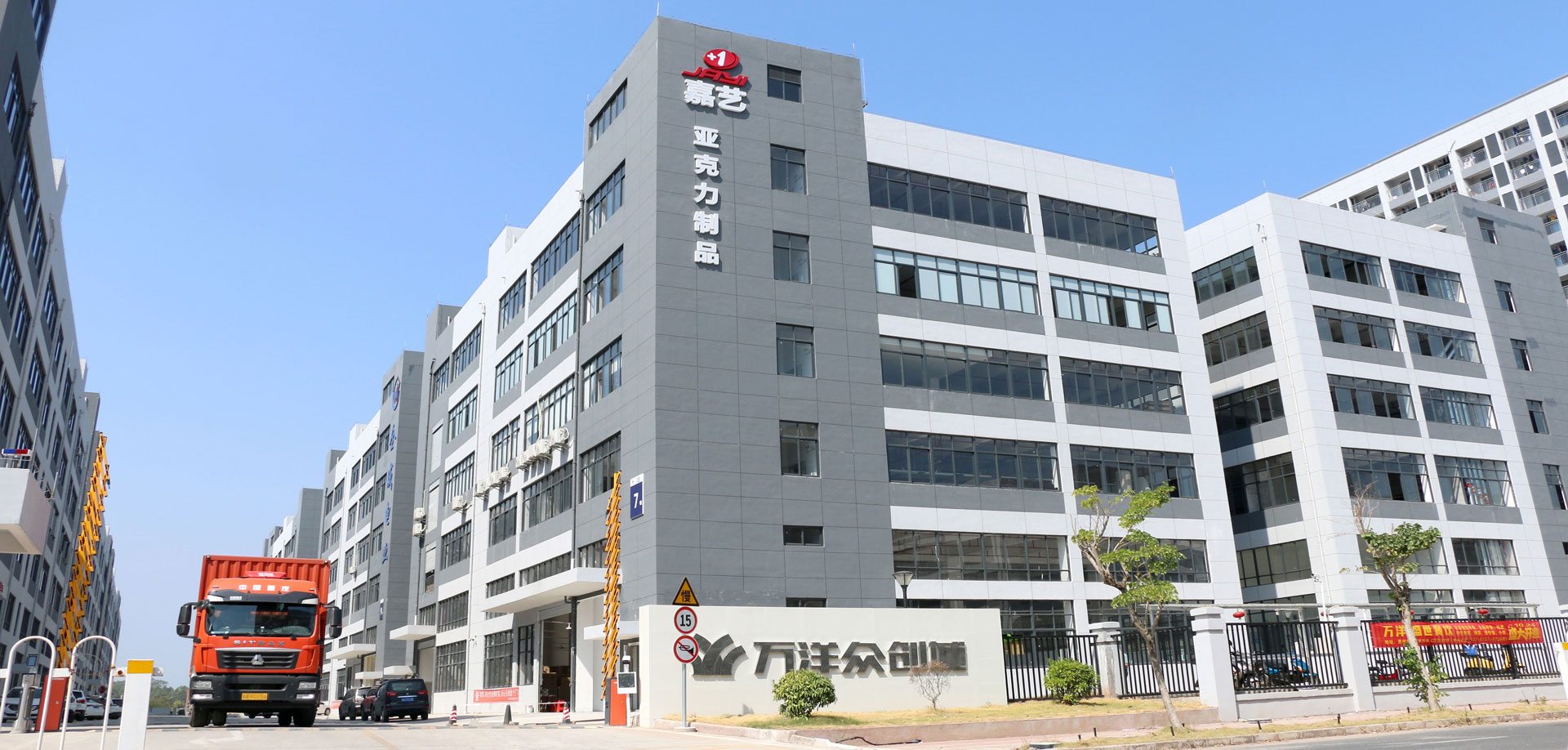
JAYI Acrylic is a professional custom acrylic board games manufacturer and supplier based in China, with over 20 years of expertise in OEM and ODM production.
We specialize in premium acrylic game sets, including dominoes, mahjong sets, chess, backgammon, Connect 4, and tic-tac-toe, offering personalized colors, logos, and packaging.
With ISO9001 and SEDEX certifications, we maintain strict quality control to ensure smooth edges, high transparency, and durable finishing.
Serving global wholesalers, retailers, and lifestyle brands, we provide competitive factory pricing, flexible MOQs, and reliable lead times.

Cathy Qin
Cathy Qin works at Jayi Acrylic Industry Limited, focusing on custom acrylic game product management and SEO-driven content marketing for B2B wholesale and retail applications. Her work includes designing display solutions, managing customization projects, and optimizing website content to promote Jayi’s high-quality acrylic products across global digital channels.
Post time: May-08-2026