
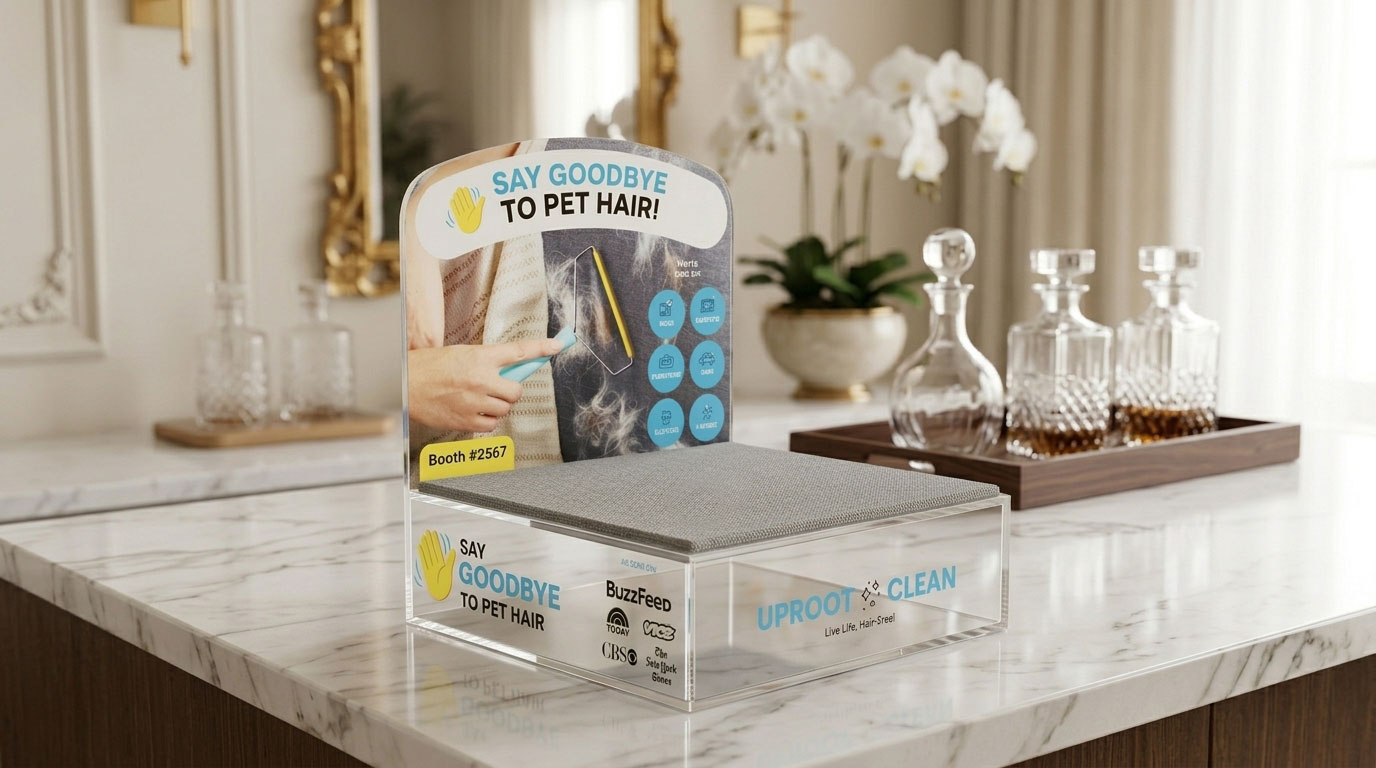
Choosing between virgin acrylic displays and recycled acrylic displays is one of the biggest decisions for commercial display buyers. Material choice directly impacts your store’s brand look, project budget, and long-term service life. Many purchasers blindly chase low prices or over-invest in unnecessary high-end materials, leading to wasted costs or poor display effects.
This article breaks down practical differences in visuals, durability, and cost. It is a detailed subdivision chapter of the Custom Acrylic Displays Manufacturing Complete Guide, helping you make data-driven purchasing choices.
Key Takeaways of This Guide
● Virgin acrylic delivers clearer visuals and far longer service life for long-term commercial scenarios
● Recycled acrylic cuts upfront costs and fits short-term temporary display projects perfectly
● Visible gaps in color consistency and anti-yellowing performance exist between the two materials
● Overall ROI varies greatly based on project duration, usage environment and brand positioning
Basic Overview: Virgin Acrylic vs Recycled Acrylic Displays
1. What Is Virgin Acrylic Display?
Material Characteristics & Production Process
Virgin acrylic is made of 100% brand-new pure PMMA raw materials with no recycled scraps mixed in. The production process adopts standardized polymerization and precise plate forming technology. Its internal molecular structure is uniform and stable, with almost no internal impurities.
This pure production process ensures the material’s inherent physical and optical properties. It avoids performance instability caused by secondary melting and reprocessing, laying a foundation for high-quality custom acrylic displays.
Core Application Scenarios
Virgin acrylic displays are widely used in high-standard commercial scenarios. They are the top choice for brands that pursue stable display effects and long-term use.
Typical scenarios include luxury product showcases, brand flagship store displays, outdoor permanent installations, and high-end customized exhibition props.
2. What Is Recycled Acrylic Display?
Material Characteristics & Reprocessing Process
Recycled acrylic is processed from waste acrylic plates, production leftovers, and discarded display equipment. Raw materials are crushed, high-temperature melted, and re-molded into new plates.
Multiple reprocessing leads to broken and mixed molecular structures. Tiny impurities will remain inside the plates, which fundamentally affects the material’s optical and durability performance.
Core Application Scenarios
Recycled acrylic displays are ideal for low-budget, short-cycle commercial activities. They balance basic display functions and cost control effectively.
Common uses include temporary exhibition booths, short-term retail promotion racks, disposable event displays, and ordinary indoor daily display fixtures.
Visual Effect Differences: A Direct Comparative Analysis
1. Light Transmittance & Clarity
Virgin Acrylic: Crystal Clear & Zero Distortion
High-quality virgin acrylic boasts a light transmittance of up to 92%, equivalent to high-grade glass. The plate body is crystal clear without any foggy haze.
It will not produce light refraction distortion when displaying products. It can fully restore the texture and color of displayed goods, greatly improving the high-end sense of brand displays.
Recycled Acrylic: Slight Haze & Unstable Transmittance
Due to residual impurities in recycled raw materials, recycled acrylic plates usually have uniform or patchy foggy haze. Its light transmittance is 5% to 8% lower than virgin acrylic.
When used for transparent display boxes or shelf displays, the slight turbidity will weaken the product’s premium texture, which is obvious in bright retail environments.
2. Color Consistency & Gloss Performance
Virgin Acrylic: Precise Color Matching & Stable High Gloss
Virgin acrylic displays accurate Pantone color matching and batch-consistent coloring. The surface presents a uniform high-gloss texture after fine processing.
The color is saturated and firm, and it will not fade or discolor with long-term use. It fully meets the unified visual image requirements of chain brands.
Recycled Acrylic: Color Deviation & Dull Gloss
Recycled acrylic has unstable color rendering. Batch color differences are unavoidable even with the same color formula.
The surface gloss is relatively dull, lacking a delicate mirror-like texture. Secondary hot bending and polishing will further aggravate color deviation and surface matte problems.
3. Polishing & Finishing Effect
Virgin acrylic has excellent processing adaptability. After edge cutting and high-precision polishing, the edges are smooth and burr-free with a transparent texture.
Recycled acrylic has a high processing defect rate. Edges are prone to tiny cracks and rough textures. Extra manual polishing is required, yet the finishing effect is still inferior.
Durability Performance Comparison
1. Anti-Aging & Anti-Yellowing Performance
Anti-yellowing ability is the core index to judge acrylic display durability, especially for outdoor and long-term indoor use.
● Virgin acrylic: Complete anti-UV molecular formula, effectively resisting light aging. It remains transparent and non-yellowing for more than 10 years in conventional environments.
● Recycled acrylic: Contains aged molecular fragments and impurities. It will turn yellow and dark obviously after 1 to 2 years of light exposure, losing display aesthetics.
2. Structural Toughness & Crack Resistance
Virgin acrylic has high molecular toughness and strong impact resistance. It is not easy to crack or deform during daily handling and use.
Recycled acrylic’s toughness decreases significantly after repeated heating and melting. It is brittle and prone to edge cracks and local deformation under slight external force.
3. Temperature Resistance & Deformation Resistance
Virgin acrylic adapts to a wide temperature range, with stable hardness and flatness in both high-temperature summer and low-temperature winter environments.
Recycled acrylic displays are sensitive to temperature changes. Thermal expansion and contraction will cause plate warping and structural deformation, affecting overall display flatness.
Cost Analysis: Budget & ROI Comparison
|
Cost Dimension
|
Virgin Acrylic Displays
|
Recycled Acrylic Displays
|
|---|---|---|
|
Upfront Material Cost
|
Higher, premium raw material pricing
|
15%-30% lower, cost-effective raw materials
|
|
Processing & Repair Cost
|
Low defect rate, no extra repair fee
|
High defect rate, extra polishing & rework cost
|
|
Long-Term Maintenance Cost
|
Almost zero maintenance, long service life
|
Frequent replacement & regular maintenance needed
|
|
Overall ROI
|
High for long-term projects
|
High only for short-term temporary projects
|
From a short-term perspective, recycled acrylic can greatly save initial procurement costs. It is very friendly for buyers with limited one-time budgets.
For long-term operation projects, the repeated replacement and maintenance costs of recycled acrylic will far exceed the initial price difference. At this time, custom acrylic displays made of virgin materials have better comprehensive returns.
Material Selection Guide by Scenario
1. Choose Virgin Acrylic for These Scenarios
If you focus on brand image and long-term stable display effect, virgin acrylic is your best choice.
It is suitable for luxury retail displays, chain store fixed decoration, outdoor permanent display facilities, and high-end customized exhibition projects.
2. Choose Recycled Acrylic for These Scenarios
For short-cycle and low-budget projects, recycled acrylic can maximize cost performance.
It is perfect for trade show temporary booths, festival promotional displays, short-term marketing activities, and disposable display fixtures.
3. Balanced Eco-Friendly & Cost-Effective Solution
Many brands need to balance environmental responsibility, budget, and display effect. Mixed material matching is a practical solution.
You can use virgin acrylic for core visual display parts and recycled acrylic for auxiliary structures, realizing eco-friendly production and cost control at the same time.
FAQ

Q1: Is the visual difference between virgin and recycled acrylic obvious in actual use?
Yes, the gap is very obvious in high-end display scenarios. Recycled acrylic has inherent haze and uneven coloring, which will reduce the premium sense of products. The difference is almost unnoticeable for simple, low-demand temporary displays.
Q2: How much can recycled acrylic save on total project cost?
Generally, finished recycled acrylic displays are 15% to 30% cheaper in initial procurement cost. However, the later maintenance and replacement expenses will gradually offset this advantage for long-term projects.
Q3: Can recycled acrylic displays be used outdoors for a long time?
It is not recommended. Recycled acrylic has poor UV and weather resistance. It will turn yellow, warp, and crack after more than one year of outdoor exposure, seriously affecting the display appearance and structural stability.
Q4: What are the environmental certification differences between the two materials?
Recycled acrylic has outstanding sustainable attributes, helping brands obtain eco-friendly certifications and meet green marketing needs. Virgin acrylic features stable and safe quality but has no recycled environmental bonus.
Q5: How to quickly distinguish virgin and recycled acrylic finished products?
You can judge through three simple ways: transparency, clarity, surface gloss, and edge finish. Virgin acrylic is crystal clear with high gloss and smooth edges, while recycled acrylic is hazy, dull, and prone to having rough edges.
Q6: Which material is more cost-effective for bulk custom orders?
It depends on your project cycle. Bulk long-term fixed orders suit virgin acrylic displays for stable quality and low later costs. Bulk short-term temporary orders are more cost-effective with recycled acrylic materials.
Conclusion
There is no absolute good or bad between virgin and recycled acrylic materials, only suitable or unsuitable for your project. Virgin acrylic wins in visual effect, durability, and long-term stability, catering to high-end and long-term display demands.
Recycled acrylic takes the lead in low upfront cost, which is ideal for short-cycle and budget-limited projects. When selecting custom acrylic displays, you need to comprehensively consider brand positioning, usage environment, and service life requirements.
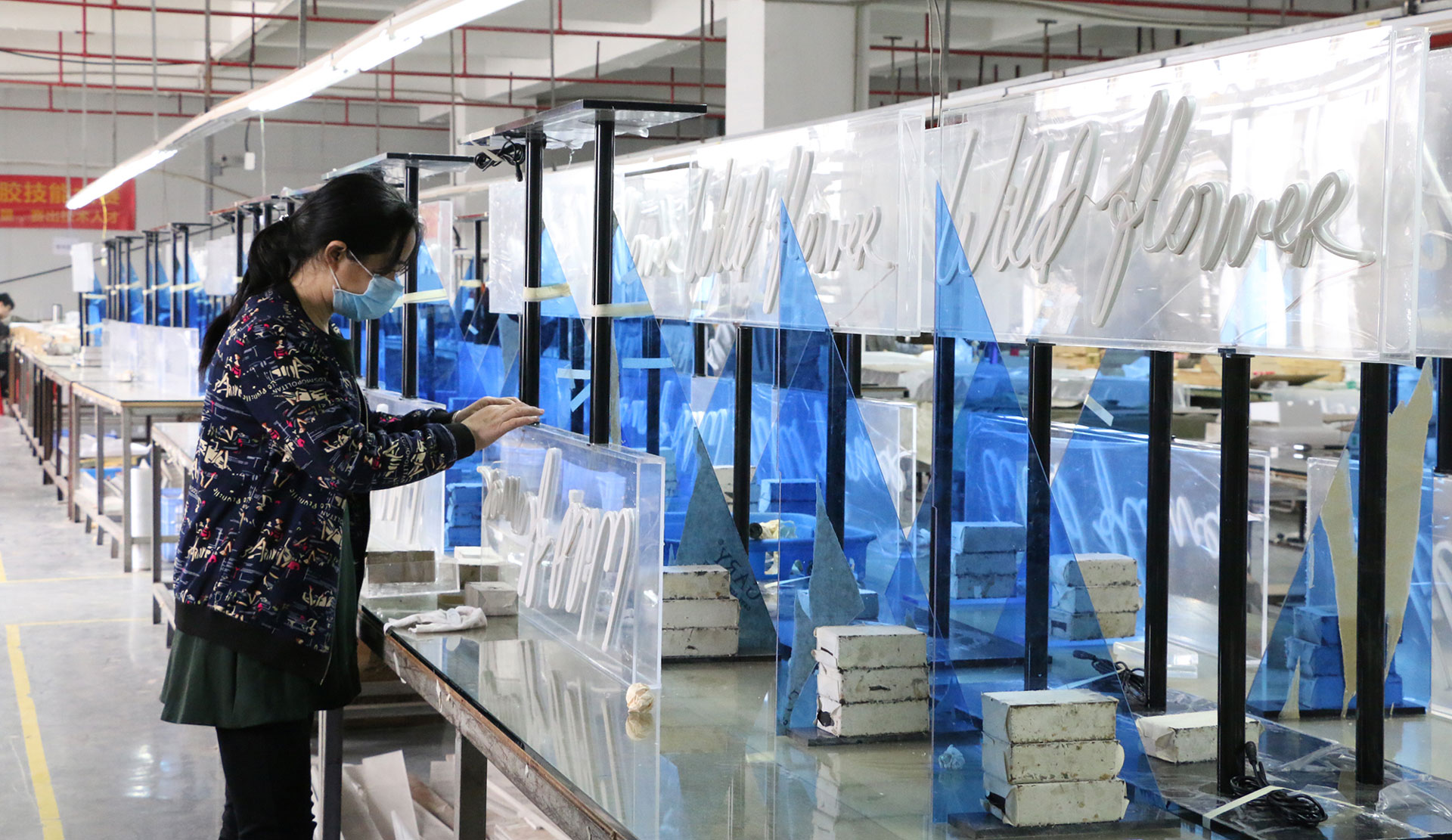
To get tailored material selection suggestions and high-quality acrylic display manufacturing services, turn to JAYI Acrylic (jayiacrylic.com). As a professional acrylic display factory, we provide one-stop customized solutions with strict material screening, precise processing technology, and reliable after-sales service for global buyers.

Cathy Qin works at Jayi Acrylic Industry Limited, focusing on custom acrylic product management and SEO-driven content marketing for B2B wholesale and retail applications. Her work includes designing display solutions, managing customization projects, and optimizing website content to promote Jayi’s high-quality acrylic products across global digital channels.
Post time: Aug-14-2026