
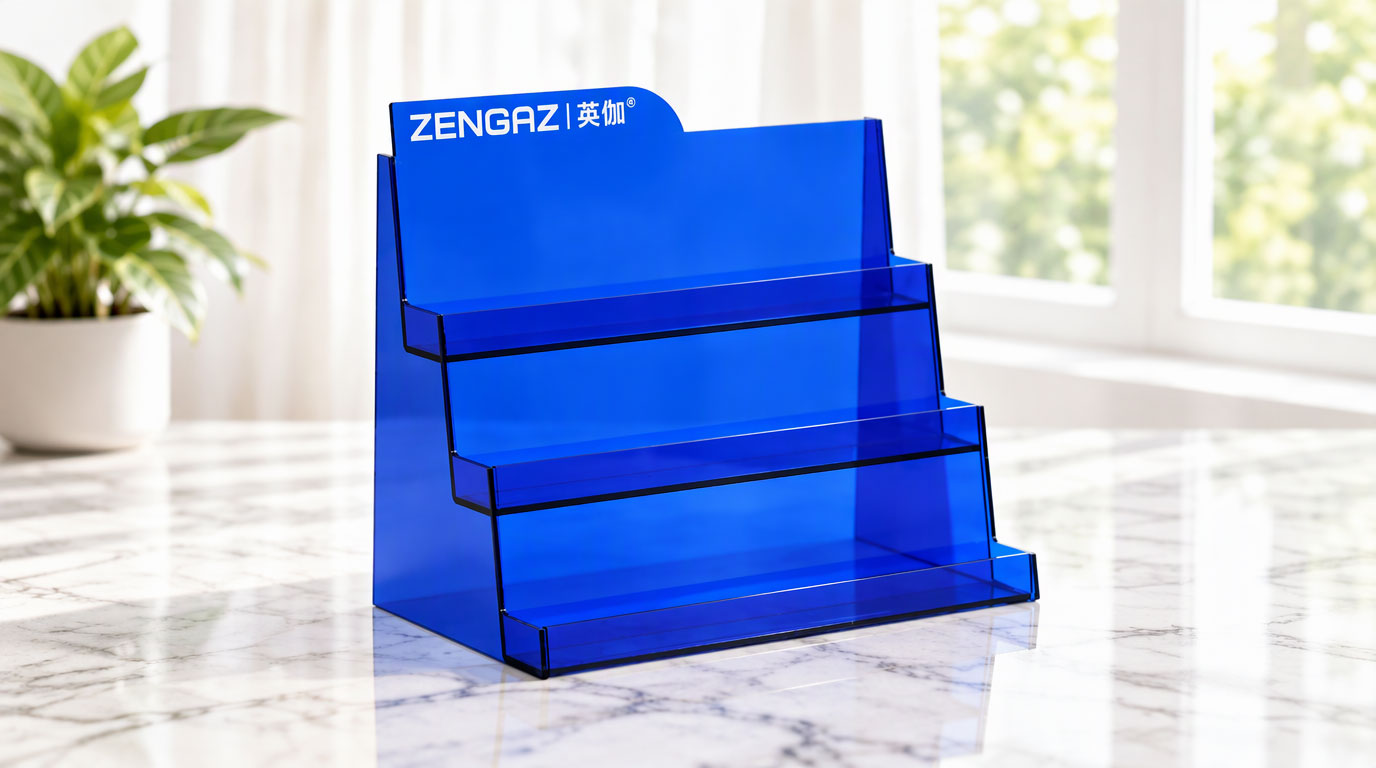
To choose the right acrylic countertop displays, match the material grade (cast acrylic for clarity and scratch resistance), match the thickness to your product weight (3 mm for light items, 4–5 mm for heavy ones), fit the footprint to your counter space, and pick a style that serves one clear purpose — sell, inform, or highlight. Then buy from a factory that gives you written specs on grade, load, and lead time instead of vague promises. Get those decisions right, and your display will look premium, last for years, and pay for itself.
Acrylic countertop displays have quietly become the workhorse of modern stores, cafés, pharmacies and trade show booths — and for good reason. They are light, crystal-clear, easy to clean and surprisingly tough. But not all acrylic is created equal. Pick the wrong thickness, style, or supplier, and you end up with scratched, yellowed racks that make your products look worse. The sections below walk you through each decision in detail, so your first order is the right one.
Why Acrylic Countertop Displays Are a Smart Pick for Retail & Commercial Spaces
Walk into any well-merchandised store, and you will spot them near the register: tiered stands holding lipsticks, slanted trays showing phone cases, compartment boxes sorting vitamins. These acrylic countertop displays do one simple job: put the product at eye level and let customers touch it.
Key Benefits of Acrylic Display Stands Over Glass, Wood or Plastic
| Feature | Acrylic | Glass | Wood | Regular Plastic |
|---|---|---|---|---|
| Weight | Light | Heavy | Medium | Light |
| Shatter risk | Low | High | Low | Low |
| Clarity | Crystal-clear | Clear | Opaque | Often cloudy |
| Scratch resistance | Good (high-grade) | Good | Poor | Poor |
| Custom shapes | Easy | Hard | Hard | Limited |
| Cost | Mid-range | High | High | Low |
The quick takeaway: glass looks elegant but breaks in transit; wood feels warm but hides your product; cheap plastic yellows and looks flimsy. High-grade acrylic gives you the look of glass at a fraction of the weight — which also means cheaper shipping.
Ideal Business Types That Benefit From Countertop Acrylic Displays
- Cosmetics, skincare and fragrance counters
- Pharmacies and health stores (vitamins, supplements, first-aid)
- Jewelry and accessories shops
- Bakeries, cafés and food service counters
- Electronics and eyewear retailers
- Trade shows, exhibitions and pop-up stores
If you sell small, impulse-buy items, a well-placed countertop unit is one of the fastest ways to lift average order value.
Define Your Core Display Goals Before Buying
Before you compare prices, answer three questions. They decide everything else — size, style, material and budget.
Product Type: What Items Will You Showcase?
A lipstick is 10 cm tall; a protein bar is a different shape entirely. Measure your product's height, width, and weight first, then work backwards. Bags, jars, blister packs and bottles each need different slot depths and angles. When in doubt, send your product photos to the factory — a good supplier will recommend the right layout instead of selling you a one-size-fits-all rack.
Your Display Purpose: Sell, Inform or Highlight New Arrivals?
- Sell → use open, front-facing tiers so customers can grab items easily.
- Inform → add a slanted back panel or a card slot for pricing and features.
- Highlight new arrivals → go with a single focal pedestal or a lighted-style stand that draws the eye.
One display rarely serves all three jobs well. Decide the primary job first, and keep the design simple around it.
Foot Traffic & Counter Space Limitations
Counter space is prime real estate. A huge display might look impressive, but if it blocks the cashier or crowds the card reader, customers will hate it. Sketch the counter layout, note the available length and depth, and pick a footprint that leaves breathing room for shopping bags and elbows.
Important Factors to Select the Best Acrylic Countertop Display for Retail
Once your goals are clear, these five factors separate a good buy from a regretful one.
Size & Dimension Matching Your Counter and Merchandise
Match the display to the counter, not the other way around. Standard stock sizes cover most needs: small (15–25 cm wide) for single products, medium (25–40 cm) for a product line, and larger tiered units for full ranges. Also think about vertical clearance — tall displays on a low counter can block the customer's view of the staff behind it.
Acrylic Material Grade: Cast vs Extruded Acrylic
| Cast Acrylic | Extruded Acrylic | |
| Surface clarity & polish | Higher | Good |
| Scratch resistance | Better | Lower |
| Edge finishing | Sharp, clean | Softer |
| Best for | Custom, high-end displays | Simple stock shapes |
Cast acrylic is the safer choice when your brand image depends on that "glass-like" finish. Extruded sheets are fine for basic racks, but they show scratches faster on high-touch surfaces.
Thickness, Sturdiness and Load-Bearing Capacity
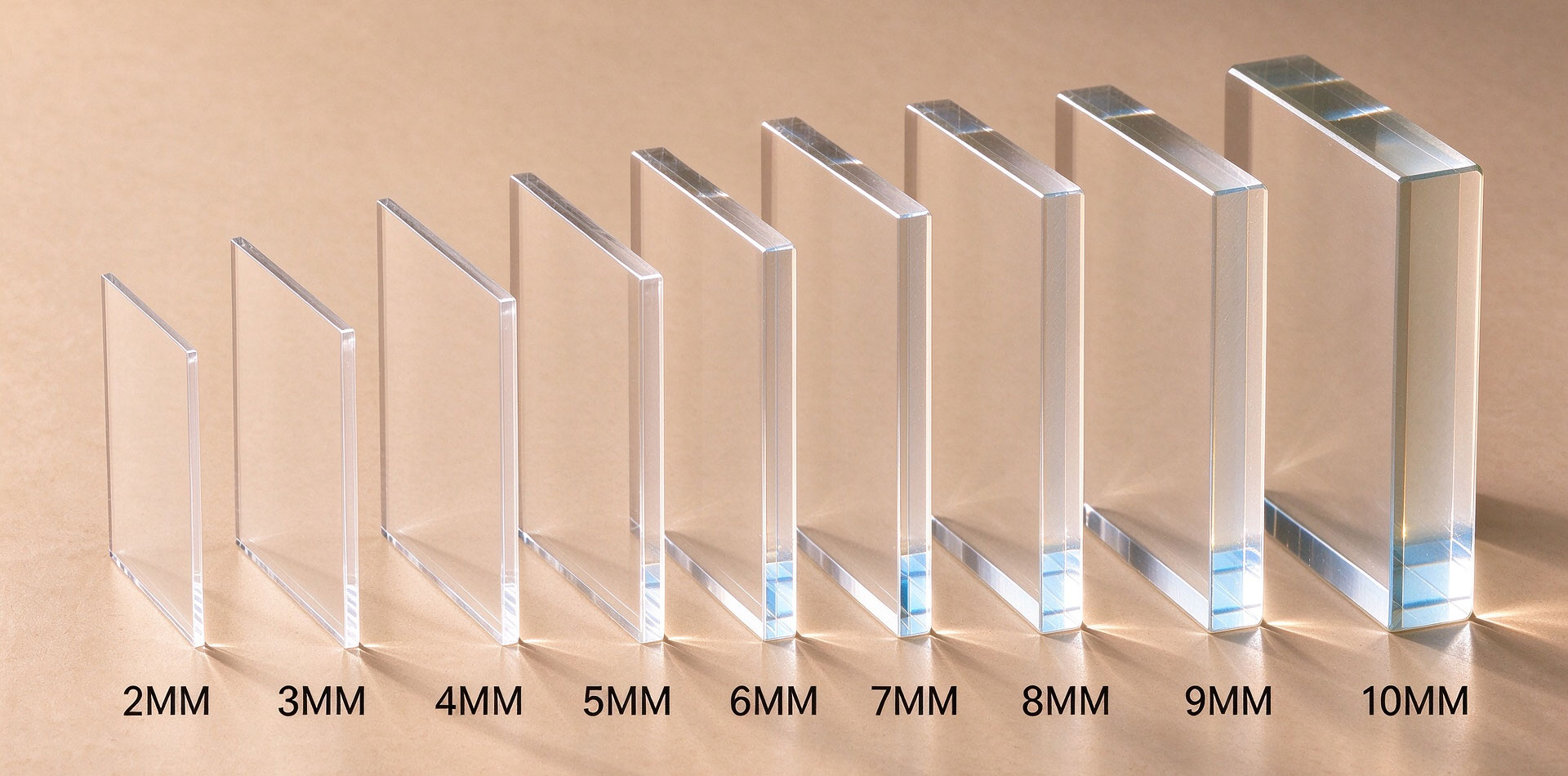
Countertop displays are usually 3 mm, 4 mm, or 5 mm thick. For lightweight cosmetics, 3 mm works. For heavier bottles, jars, or hardware, go with 4–5 mm. Ask for the maximum load per shelf — a sagging display in a busy store quietly destroys trust in both the rack and the product.
Style Options: Freestanding, Tiered, Slanted, Compartment or Custom
- Freestanding single stands — one hero product, minimal footprint
- Tiered risers — multiple rows, great for lines of similar items
- Slanted trays — self-facing effect, perfect for cards and brochures
- Compartment boxes — organized storage for loose or mixed items
- Custom shapes — logo-cut bases, curved fronts, branded holders
Finish Choice: Clear, Frosted, Black, Printed or UV Logo
Clear acrylic shows the product fully; frosted adds a soft, premium mood; black acrylic makes bright packaging pop. You can also print brand colors or logos directly onto the material. A UV-printed logo on the base is a low-cost way to turn a simple rack into a branded display.
Portability, Assembly and Storage Needs
If the display moves between counters, shelves, or trade shows, check assembly. Snap-together designs are convenient, but permanently bonded units are sturdier for long-term use. Ask whether the display ships flat and whether it can be disassembled for storage.
Custom vs Standard Stock Acrylic Countertop Displays
This is the budget question almost every buyer asks: stock or made-to-order?
When Ready-Made Acrylic Display Stands Work Well
Stock units are ideal when you need quick delivery, a common size, and a modest budget. If your products fit a standard slot layout and your counter is a typical size, ready-made acrylic display stands are a perfectly smart choice — especially for testing a new product line or a seasonal promotion without committing to a big investment.
When Custom Acrylic Countertop Displays Are Worth the Investment
Custom acrylic displays pay for themselves when your products have unusual dimensions, when the display must match a brand identity, or when you order in volume for many locations. A custom design also lets you combine functions — product display plus brochure holder plus price tag — in one clean unit. If you are opening multiple stores or selling to distributors, the per-unit cost of a custom run quickly beats buying mismatched stock racks again and again.
Budget & Long-Term Value Tips for Acrylic Countertop Displays
How to Balance Upfront Cost and Durability
The cheapest rack is rarely the cheapest overall. A flimsy display gets replaced in months; a solid one lasts for years. Compare the cost per year of use rather than the sticker price. For high-traffic counters, invest in thicker material and better finishing — it is the same logic as buying good shoes instead of cheap ones.
Avoid Cheap Acrylic That Scratches or Yellows Quickly
Two warning signs of low-grade material: a yellow tint at the edges and a surface that scratches with a fingernail. Always ask which acrylic grade is used and whether the sheets are UV-stabilized. Good acrylic keeps its clarity indoors for years, while recycled or thin material starts looking dull within a season.
Care & Maintenance to Keep Your Acrylic Display Stands Looking Great
Simple Daily Cleaning Rules
- Dust with a soft, dry microfiber cloth.
- Clean with mild soap and lukewarm water.
- Dry immediately with a lint-free cloth to avoid water spots.
- Use an acrylic-safe polish occasionally for extra shine.
Common Mistakes That Damage Acrylic Surfaces
- Wiping with paper towels or rough sponges — these leave micro-scratches.
- Using alcohol, acetone, or window cleaners — they cloud the surface.
- Leaving displays in direct strong sunlight for years — gradual yellowing.
- Stacking heavy items on thin shelves beyond the rated load.
Follow these rules, and your countertop units will still look new when competitors' racks are being replaced.
Final Checklist to Confirm You've Picked the Right Acrylic Countertop Displays
Product dimensions and weight are measured, and shelf load is confirmed
Counter footprint fits with room to spare
Material grade is cast acrylic (or high-quality extruded) with UV stabilization
Thickness matches the product weight (3 mm light / 4–5 mm heavy)
Style and finish match the display purpose and brand look
Supplier provides clear specs, lead time, and packaging details
Sample or 3D proof is reviewed before bulk production
If you want to compare ready-made options first, browse our full range of acrylic countertop display stands — every product lists material grade, thickness, and dimensions so you can match before you buy.
FAQs About Choosing Acrylic Countertop Displays

Are acrylic countertop displays suitable for food and cosmetic products?
Yes. Food-grade acrylic is safe for bakery counters and café displays, and it does not react with cosmetics. Just confirm the supplier uses food-safe materials if the display will directly contact food.
Can I add my brand logo to acrylic display stands?
Absolutely. Common options include UV printing, laser engraving, screen printing, and applied vinyl logos — your brand mark can go on the base, back panel, or the front edge.
How long do high-quality acrylic countertop displays last?
With normal indoor use and simple cleaning, a well-made cast acrylic display lasts 5–10 years without yellowing or cracking. That is why material grade matters more than the initial price.
What is the minimum order quantity, and can I order samples first?
Most factories, including ours, offer low MOQs for sample orders before bulk production. A sample lets you check thickness, finish, and build quality in your own store before committing.
How long does production and shipping usually take?
Custom orders need design confirmation plus production time, usually 3-4 weeks depending on quantity and complexity — always ask for a written lead time before ordering.
How are acrylic displays packed to survive international shipping?
Reputable suppliers protect each unit with film, foam corner protection and strong cartons. Flat-packed and snap-together designs travel especially well. If you are shipping by sea, confirm the export packaging standard with the factory.
Conclusion
Choosing the right acrylic countertop displays does not have to be a gamble. Measure your product and counter, match the material grade and thickness to your traffic, and decide early whether stock or custom makes better business sense. Care for the display properly, and it will represent your brand for years.
When you are ready to move from browsing to buying, work with a factory that makes the material itself — that is where you get honest advice on grade, thickness, and cost. JAYI Acrylic has been producing acrylic products for global retail brands, and we treat every countertop display as a small billboard for your business. Tell us your product size, your counter space, and your budget, and we will recommend the right unit — or design a fully custom acrylic display service around your brand.

Cathy Qin works at Jayi Acrylic Industry Limited, focusing on custom acrylic product management and SEO-driven content marketing for B2B wholesale and retail applications. Her work includes designing display solutions, managing customization projects, and optimizing website content to promote Jayi’s high-quality acrylic products across global digital channels.